Afghan Ministry Reports 400 Fatalities in Pakistan Airstrike
Afghanistan's Health Ministry reports over 400 fatalities from a Pakistani airstrike on a Kabul drug rehabilitation center, escalating regional tensions.
Lauren Collins ·
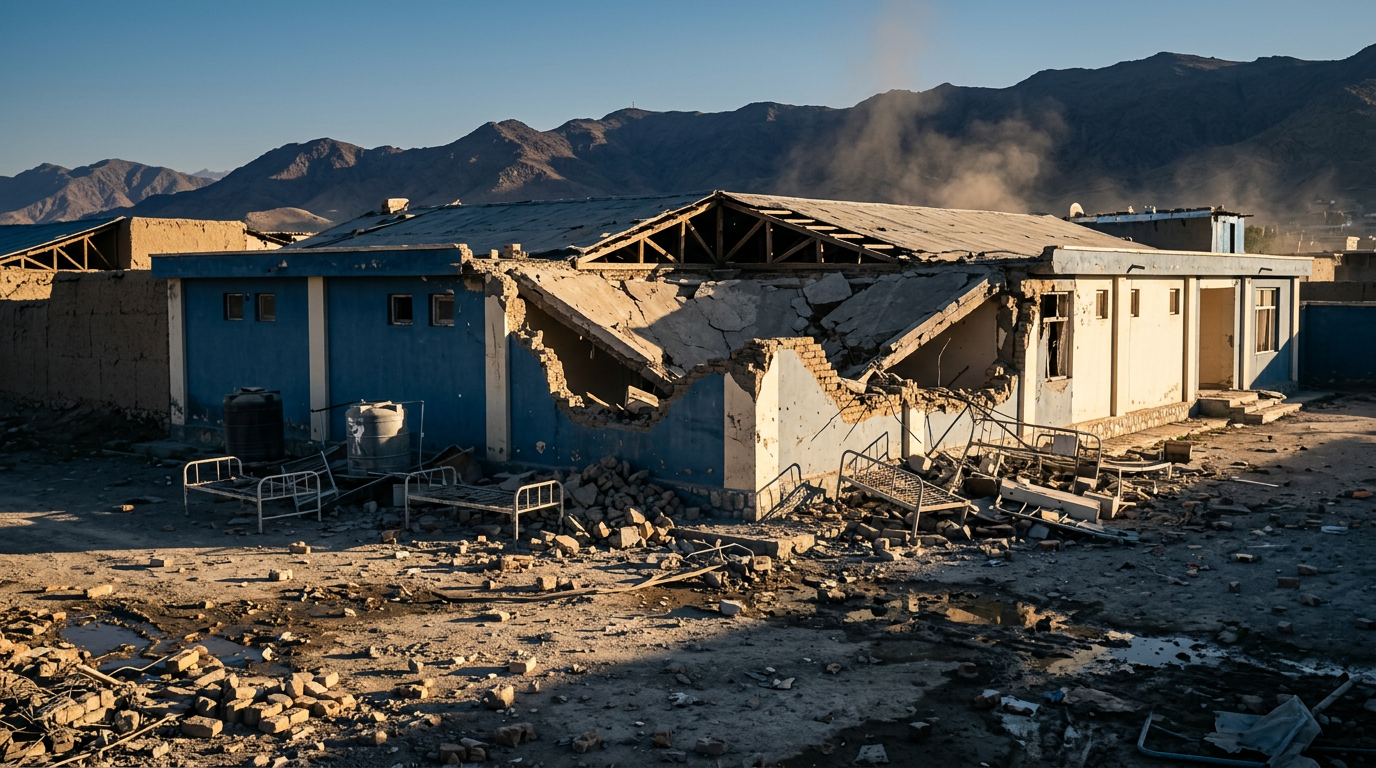
Afghanistan's Ministry of Public Health has reported that a Pakistani airstrike in Kabul resulted in over 400 fatalities earlier this week. The incident reportedly occurred at a drug rehabilitation center within the Afghan capital. This event marks a significant escalation in the already strained relationship between the two neighboring nations.
Kabul Airstrike Details Emerge
The reported airstrike, attributed to Pakistan, targeted a facility identified as a drug rehabilitation center in Kabul. The Afghan health ministry's statement indicated that the center was densely populated at the time of the attack, contributing to the high casualty count. This incident has drawn international attention due to the substantial loss of life.
Regional Tensions Escalate
This recent development unfolds against a backdrop of increasing geopolitical friction in the region. Relations between Afghanistan and Pakistan have been particularly tense, with both countries frequently accusing each other of harboring militant groups or failing to secure their shared border. The airstrike exacerbates these existing tensions, potentially leading to further instability.
Historical Context of Cross-Border Incidents
Cross-border incursions and accusations have been a recurring feature of Afghanistan-Pakistan relations for decades. Both nations share a complex and often disputed border, the Durand Line, which has historically been a flashpoint for conflict. Previous incidents have involved military actions, diplomatic protests, and accusations of supporting insurgent activities on either side. This latest event adds to a long history of such confrontations.
International Implications and Calls for De-escalation
The reported high civilian death toll is likely to prompt international condemnation and calls for an independent investigation. Such incidents often draw the attention of global bodies and human rights organizations, which advocate for the protection of non-combatants in conflict zones. The broader regional stability, already fragile due to various geopolitical factors and the involvement of other bordering nations like Iran, could be further jeopardized.
Outlook on Bilateral Relations
The immediate aftermath of this reported airstrike will likely see heightened rhetoric from both Kabul and Islamabad. Diplomatic channels may be activated, but the severity of the reported casualties could make de-escalation challenging. The international community will be closely monitoring the situation for any further military actions or retaliatory measures, which could have wider implications for peace and security in South Asia.
Implications
Country Impact: The incident significantly escalates tensions between Afghanistan and Pakistan, potentially leading to further cross-border conflicts and diplomatic fallout. Civilian populations in border regions face increased risks.
Industry Impact: No direct industry impact is immediately apparent, but prolonged regional instability could disrupt trade routes and infrastructure projects in the long term. Humanitarian aid organizations may face increased operational challenges.
Market Impact: Regional markets, particularly in Pakistan and Afghanistan, could experience increased volatility due to heightened geopolitical risk. Investor confidence may decline, impacting foreign direct investment and local economic activity.