Israel Intensifies Strikes Across Lebanon, EU Urges Halt
Israeli strikes intensify across Lebanon, causing significant casualties and displacement. The EU urges a halt, while France plans diplomatic visits.
Lauren Collins ·
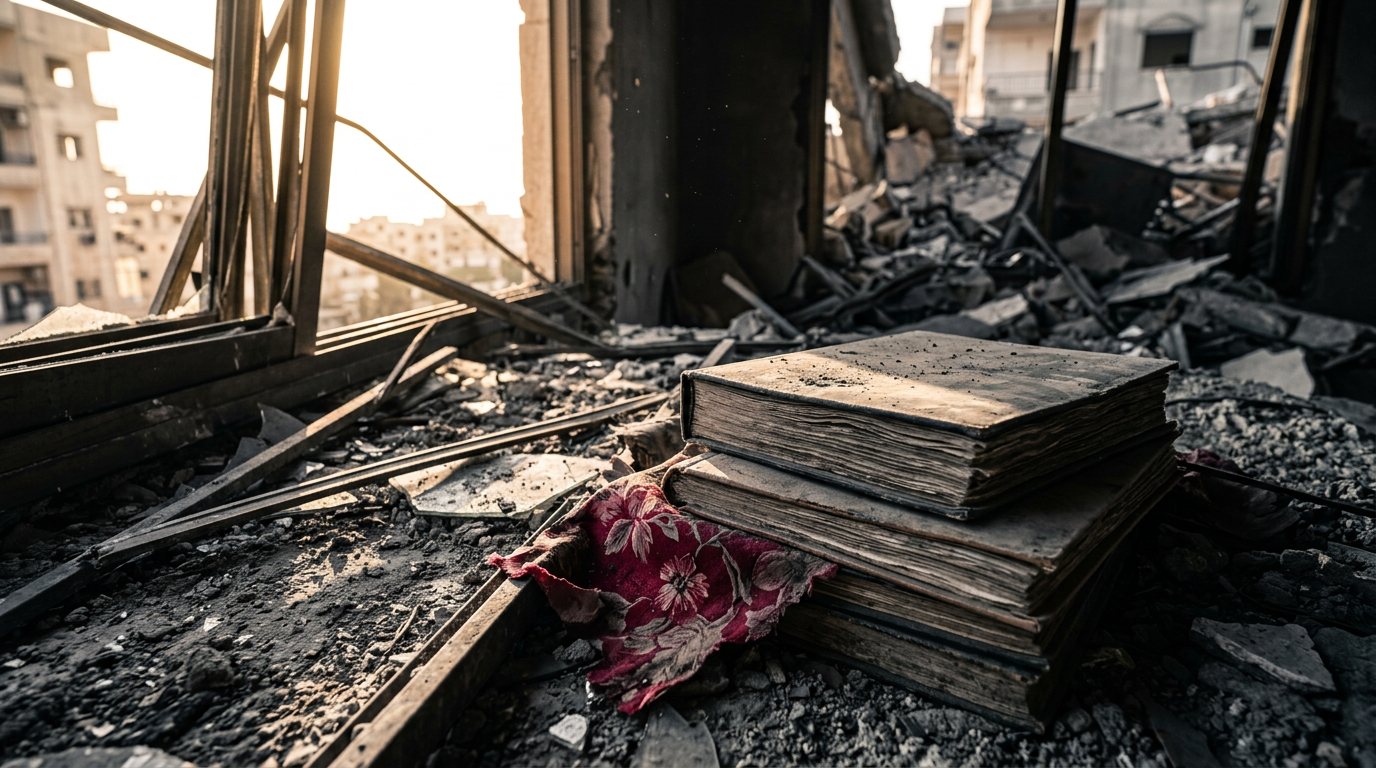
Israeli military operations have escalated across Lebanon, with recent airstrikes on March 18, 2026, targeting areas including a residence in Burj Shemali and shelling near Chihine and Marwahin. These actions are part of an ongoing regional conflict. Over a 48-hour period, Israeli strikes reportedly caused at least 45 fatalities and over 100 injuries throughout Lebanon, according to data from the Lebanese Ministry of Public Health.
Further attacks were reported near al-Sarira in the Jezzine district, resulting in structural damage to residential properties. The scope of these military engagements has extended beyond southern Lebanon, impacting central Beirut, Baalbek, and Sidon. Hezbollah, a Lebanese political and paramilitary organization, claimed the destruction of six Israeli Merkava tanks during an Israeli ground maneuver near Taybeh.
Humanitarian Crisis Deepens Amid Conflict
Since March 2, Lebanese authorities have documented 968 deaths attributed to Israeli strikes, a figure that includes over 100 children, as corroborated by the World Health Organization. The United Nations has highlighted a significant internal displacement crisis within Lebanon, with more than one million individuals, approximately one-third of whom are children, forced from their homes due to the intensifying hostilities.
International Response and Diplomatic Efforts
In response to the escalating situation, French Foreign Minister Jean-Noel Barrot is scheduled to undertake a diplomatic visit to Lebanon on Thursday. During his visit, Minister Barrot is expected to meet with key Lebanese officials, including President Joseph Aoun, Prime Minister Nawaf Salam, and Parliament Speaker Nabih Berri, to convey France's support for the nation.
International bodies have voiced strong concerns regarding the conflict's trajectory. The European Union has publicly called upon Israel to cease its military operations in Lebanon. The EU's statement underscored deep apprehension regarding the humanitarian consequences of the conflict and warned against the potential for a prolonged regional destabilization.
Regional Context of Ongoing Tensions
The current escalation is situated within a broader regional geopolitical struggle that involves significant international actors, including the United States and Iran. This wider context contributes to the complexity and persistence of military engagements in the Levant. The long-standing tensions between Israel and various non-state actors in Lebanon, particularly Hezbollah, frequently lead to cross-border exchanges, impacting civilian populations and infrastructure.
Previous periods of intense conflict have demonstrated the severe humanitarian and economic toll on Lebanon, a country already grappling with significant internal challenges. The international community's focus remains on de-escalation and addressing the urgent humanitarian needs arising from the sustained military actions.
Implications
Country Impact: Lebanon faces a deepening humanitarian crisis with significant internal displacement and civilian casualties, exacerbating existing economic and political fragilities. The ongoing conflict risks further destabilizing the nation and its governance structures.
Industry Impact: The escalation of hostilities could severely impact Lebanon's already struggling tourism and reconstruction sectors, deterring foreign investment and hindering economic recovery efforts. Regional trade routes and energy infrastructure also face potential disruption.
Market Impact: Increased geopolitical risk in the Middle East typically leads to higher oil prices and a flight to safe-haven assets. Lebanese sovereign bonds and the local currency are likely to face further downward pressure, while regional equity markets may experience volatility.