Middle East Conflict Targets Energy Infrastructure
Middle East conflict escalates March 19, 2026: Israeli strikes on Iran's gas field trigger retaliatory attacks on Qatar & UAE energy facilities.
Lauren Collins ·
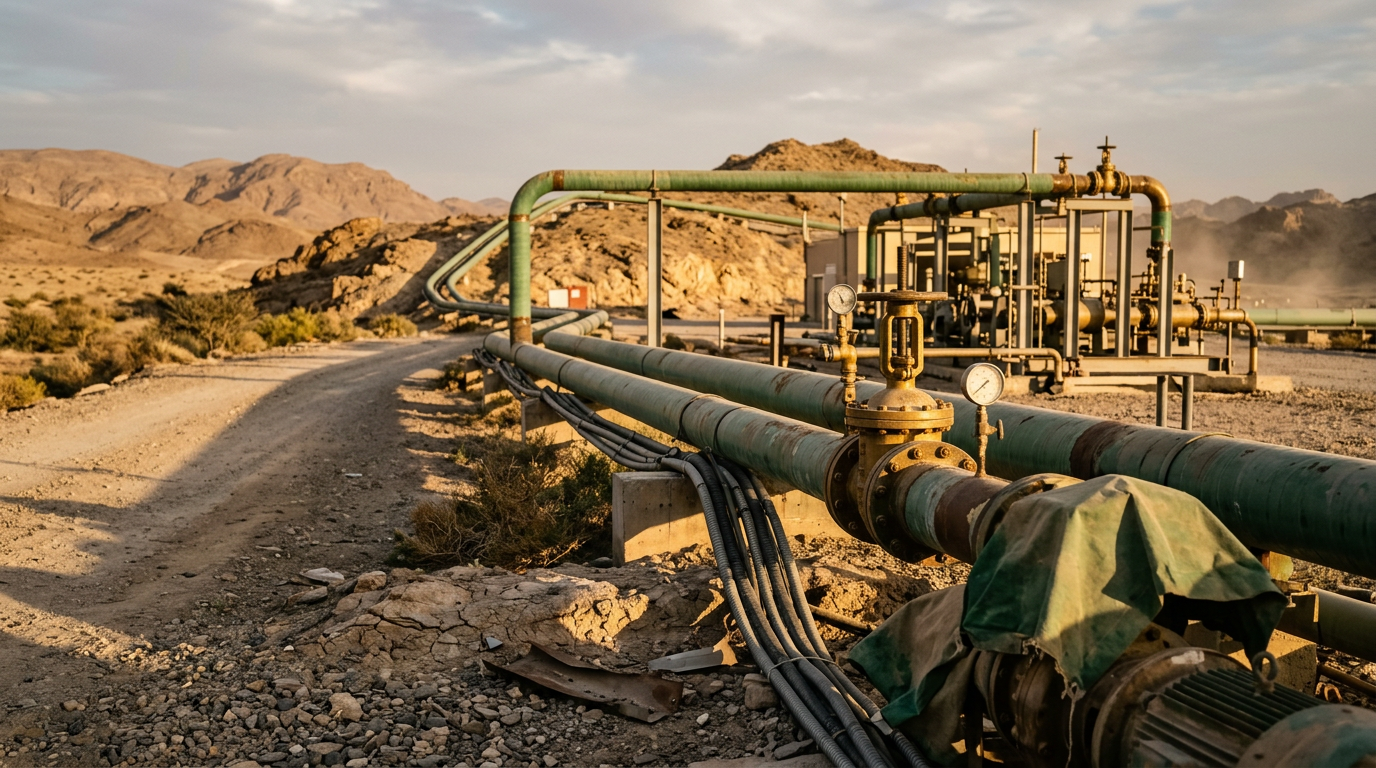
A significant escalation in the Middle East conflict occurred on March 19, 2026, with direct military actions against critical energy infrastructure. This development began with an Israeli strike on Iran's South Pars gas field, a vital economic asset for Tehran. The attack marked a notable shift, as it was the first time in the current regional hostilities that a fossil fuel production site was directly targeted.
Following the Israeli operation, Iran launched retaliatory missile strikes. These attacks caused damage to Qatar's Ras Laffan liquefied natural gas (LNG) export facility. Additionally, operations were suspended at the United Arab Emirates' (UAE) Habshan gas facility and the Bab oilfield, indicating a broader impact across the Gulf region's energy sector.
U.S. Stance and Regional Dynamics
U.S. President Donald Trump publicly distanced the United States from the initial Israeli strike. However, he simultaneously issued a warning to Iran, stating that the U.S. would retaliate against Iran's South Pars field if Tehran attacked Qatar's energy assets. This position suggests a nuanced U.S. strategy, aiming to protect certain regional allies while maintaining a degree of separation from specific Israeli military actions.
Reports from The Wall Street Journal indicated a potential discrepancy between public statements and private approvals. The publication suggested that President Trump had privately approved Israel's plan for the South Pars attack. This approval was reportedly intended as a message to Tehran concerning its blockade of the Strait of Hormuz, a critical maritime chokepoint for global oil shipments.
Economic Implications and Global Concerns
The targeting of major energy production and export facilities in multiple nations signals a new and more volatile phase in regional hostilities. Previously, military actions had largely avoided such critical infrastructure to prevent broader energy market disruptions. This shift intensifies concerns about the conflict's potential to widen further and trigger significant global economic repercussions.
Disruptions to oil and gas supplies from the Middle East, a region central to global energy markets, could lead to increased volatility in commodity prices and impact global economic stability. The South Pars gas field, shared by Iran and Qatar, represents the world's largest natural gas deposit, underscoring the strategic importance of the targeted assets.
Outlook on Energy Security
The current escalation highlights the fragility of global energy security in the face of geopolitical tensions. The conditional commitment by the U.S. to protect Qatari energy assets, alongside the direct targeting of Iranian and Emirati facilities, creates an unpredictable environment for energy producers and consumers worldwide. Future developments will likely hinge on the responses of regional and international actors to these direct attacks on energy infrastructure.
Implications
Country Impact: The direct targeting of energy infrastructure in Iran, Qatar, and the UAE signals a significant escalation of regional conflict, potentially drawing more nations into direct confrontation and destabilizing political alliances.
Industry Impact: The global energy industry faces heightened risks of supply disruptions, leading to increased volatility in oil and natural gas prices. Companies operating in the Middle East may re-evaluate investment strategies due to elevated geopolitical risks.
Market Impact: Global financial markets are likely to react with increased uncertainty, particularly in commodity futures. Energy-dependent economies could experience inflationary pressures and slower growth, impacting equity and bond markets worldwide.