Argentina Exits WHO Amid Sovereignty Concerns
Argentina formally exited the World Health Organization on March 17, 2026, citing sovereignty concerns over global health policies.
Lauren Collins ·
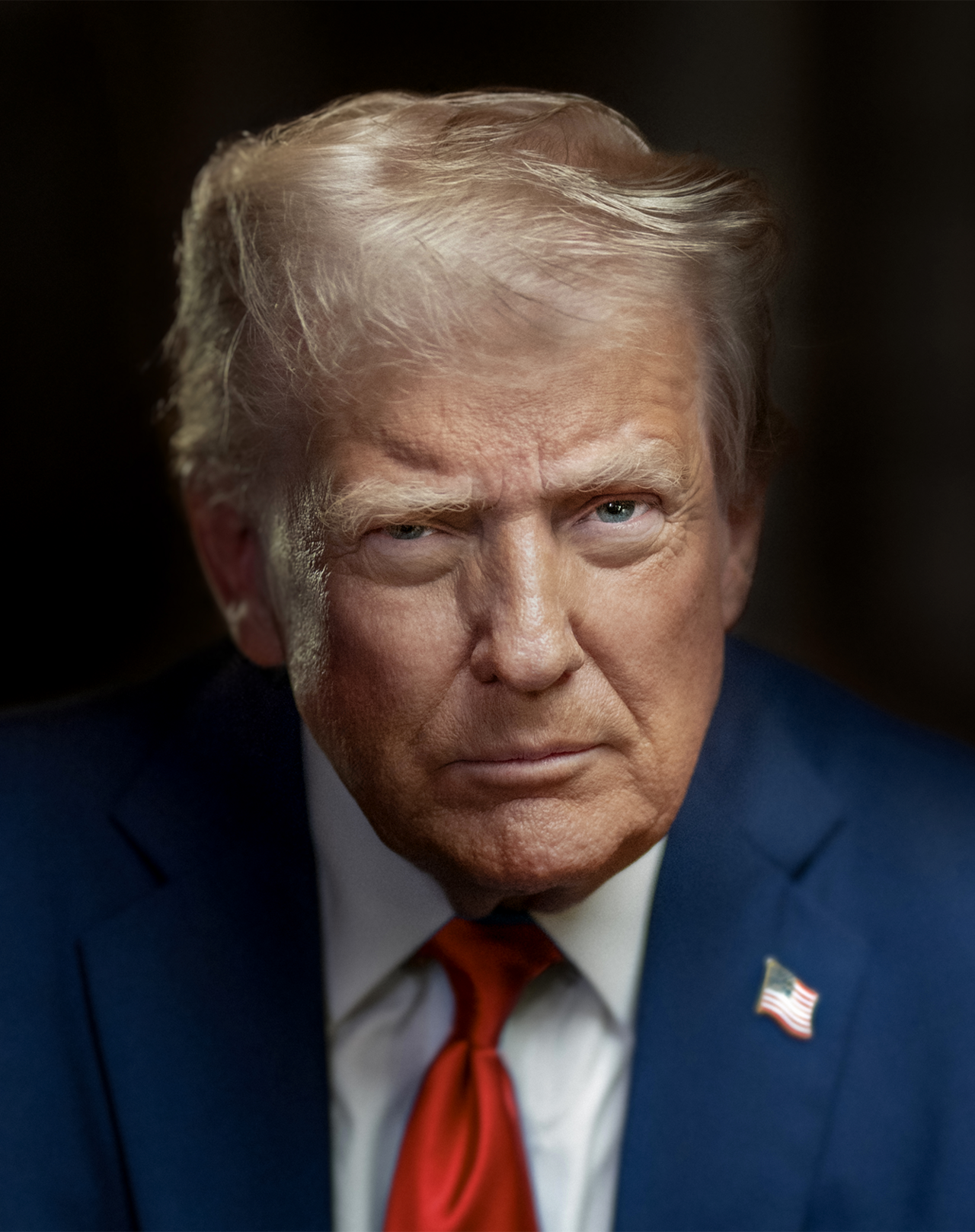
Argentina formally withdrew from the World Health Organization (WHO) on Tuesday, March 17, 2026. This decision, announced by Foreign Affairs Minister Pablo Quirno, follows a year-long notification period and marks a significant shift in the nation's international health policy. The move aligns Argentina with the United States, which previously exited the global health body.
President Javier Milei's administration initiated the withdrawal, citing concerns over the WHO's influence on national health policies. Milei has publicly criticized the organization, describing it as a "nefarious organization" that allegedly conducted "the greatest experiment in social control in history." These criticisms specifically targeted COVID-19 mitigation strategies, including mask mandates, social distancing protocols, and vaccination campaigns.
Policy Shift and International Alignment
The Argentine government's departure from the WHO reflects a broader ideological stance emphasizing national sovereignty in health matters. S. President Donald Trump, whose administration also withdrew from the WHO in January 2025, citing similar concerns about the organization's perceived overreach and effectiveness. S. withdrawal was met with criticism from WHO Director-General Tedros Adhanom Ghebreyesus, who stated it would diminish global health security.
Future of Health Cooperation
Despite its exit from the WHO, Argentina has indicated its intention to continue engaging in international health cooperation. The nation plans to pursue these efforts through bilateral agreements and participation in regional forums. This approach aims to maintain global health partnerships while asserting greater national control over domestic health policy decisions.
WHO's Role and Membership
The World Health Organization functions primarily as an advisory body, providing guidance and coordination on global health issues. Prior to Argentina's withdrawal, the organization comprised 194 member states. The departure of a significant nation like Argentina could prompt discussions regarding the future structure and influence of international health governance, particularly concerning the balance between global coordination and national autonomy.
Historical Context of International Health Bodies
The concept of international health cooperation dates back to the 19th century, with early efforts focused on controlling infectious diseases across borders. The WHO, established in 1948, emerged from these efforts, aiming to achieve the highest possible level of health for all people. Its mandate includes setting health standards, providing technical support, and coordinating responses to health emergencies.
Recent global health crises, particularly the COVID-19 pandemic, have intensified debates over the authority and effectiveness of such international bodies, leading some nations to re-evaluate their participation and engagement strategies.
Implications for Global Health Governance
Argentina's withdrawal could set a precedent for other nations considering similar moves, potentially fragmenting global health efforts. While bilateral agreements offer flexibility, they may lack the comprehensive reach and coordinated response capabilities of a multilateral organization like the WHO. The long-term impact on disease surveillance, vaccine distribution, and health equity remains a key area of observation for international health observers and policymakers.
Implications
Country Impact: Argentina's withdrawal signals a shift towards greater national control over health policy, potentially impacting its access to WHO-coordinated resources and global health initiatives. The move could also influence its diplomatic relations with other nations that remain strong WHO supporters.
Industry Impact: The pharmaceutical and healthcare industries might face altered regulatory landscapes in Argentina, as the nation redefines its health standards independently of WHO guidelines. This could affect market access and product approvals for international companies.
Market Impact: The decision could introduce uncertainty in Argentina's public health sector, potentially affecting investor confidence in health-related infrastructure and services. It might also lead to a re-evaluation of health-focused foreign aid and investment flows into the country.