Almost 100 wounded in Iranian missile strikes on southern Israel
Iranian missile strikes on Saturday injured approximately 100 people in southern Israel, targeting Arad and Dimona, escalating regional tensions.
Lauren Collins ·
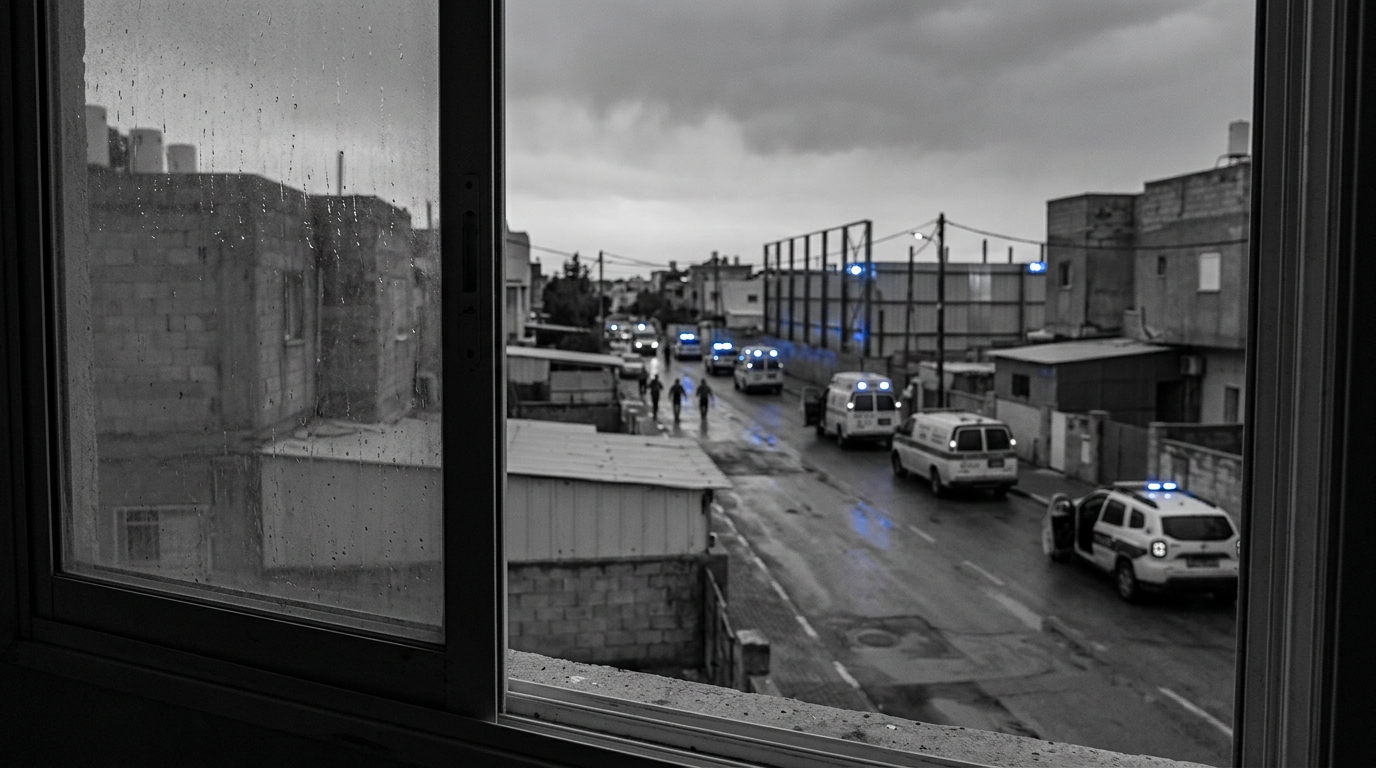
Iranian ballistic missile attacks on Saturday resulted in approximately 100 injuries across southern Israel. The cities of Arad and Dimona were targeted, with reports indicating that at least two projectiles bypassed Israeli air defense systems. Among those wounded were a 12-year-old boy and a five-year-old girl, both of whom are in serious condition.
Escalation of Regional Tensions
The missile strikes represent a significant escalation in the ongoing regional tensions between Iran and Israel. This incident follows a period of heightened rhetoric and covert actions attributed to both nations, underscoring the volatile security landscape in the Middle East. The direct targeting of Israeli population centers by Iranian forces marks a critical shift in the nature of the conflict.
Defense System Performance
Initial assessments suggest that while many incoming projectiles were intercepted, at least two Iranian missiles successfully impacted their targets. This raises questions regarding the efficacy of existing air defense infrastructure against large-scale ballistic missile barrages. Israeli defense officials are expected to conduct a thorough review of the incident to identify any vulnerabilities.
International Reactions and Calls for Restraint
Global leaders and international organizations have begun to issue statements condemning the attacks and calling for de-escalation. The United Nations Security Council is anticipated to convene an emergency session to address the situation, with diplomatic efforts likely to focus on preventing a broader regional conflict. Major powers are urging both sides to exercise restraint to avoid further destabilization.
Impact on Civilian Populations
The injuries sustained by civilians, including children, highlight the humanitarian cost of the escalating conflict. Emergency services were deployed rapidly to the affected areas, providing medical assistance and assessing damage. The psychological impact on residents in southern Israel, who have experienced direct missile threats, is also a growing concern.
Geopolitical Implications
The direct missile exchange could have far-reaching geopolitical consequences, potentially influencing global energy markets and international trade routes. Analysts are closely monitoring the situation for any signs of retaliation from Israel, which could trigger a wider conflict involving other regional actors. The incident also puts pressure on international efforts to revive the Iran nuclear deal, as trust between the parties erodes further.
Implications
Country Impact: Israel faces heightened security concerns and potential for retaliatory actions, while Iran risks further international isolation and sanctions. Regional stability is significantly undermined.
Industry Impact: Defense industries may see increased demand for advanced missile defense systems. Energy markets could experience volatility due to geopolitical uncertainty in the Middle East.
Market Impact: Global equity markets may react negatively to increased geopolitical risk, leading to a flight to safe-haven assets. Oil prices are likely to rise amidst fears of supply disruptions.