US Strikes Iran's Kharg Island Amidst Tensions
US forces struck military targets on Iran's Kharg Island on Feb 28, 2025, sparing oil facilities amidst escalating Middle East tensions.
Lauren Collins ·
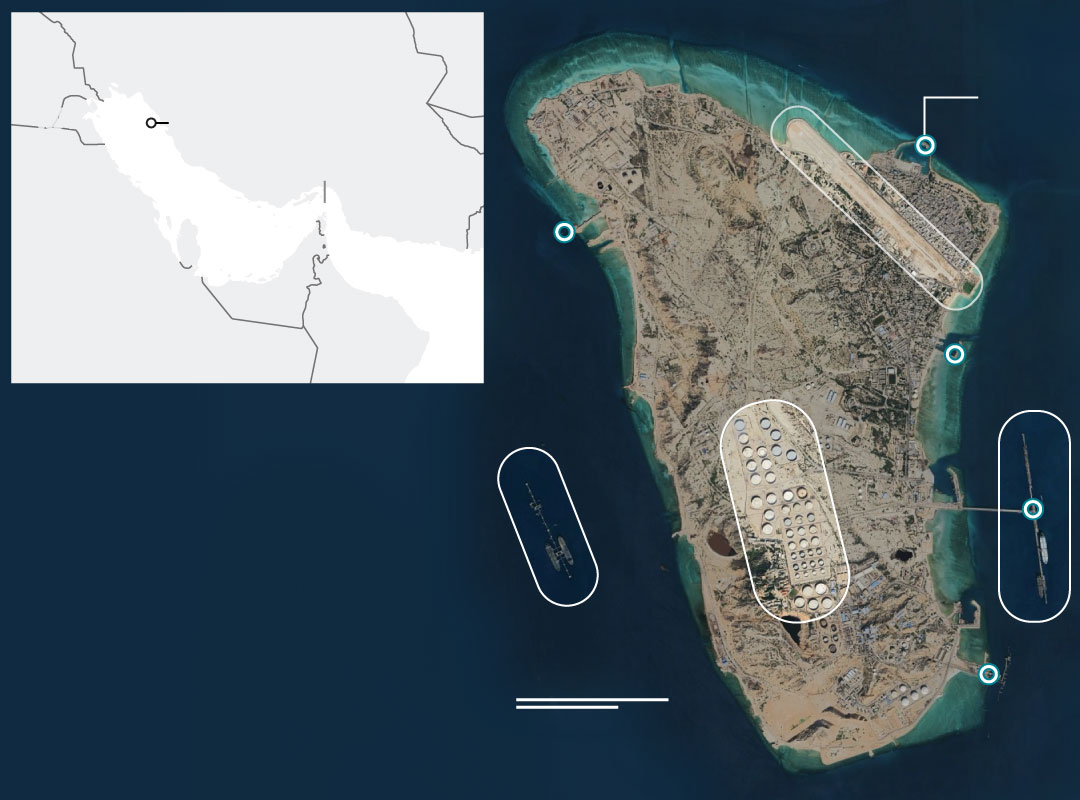
United States military forces conducted strikes against military targets on Iran's Kharg Island on Friday, February 28, 2025. The operation, announced by then-President Donald Trump, specifically avoided the island's critical oil export infrastructure. This action followed a deployment of 2,500 U.S. Marines and an amphibious assault ship to the Middle East earlier the same day, signaling heightened regional tensions.
Kharg Island holds strategic importance as Iran's primary terminal for crude oil exports, situated in the Persian Gulf. President Trump's statement indicated that while the oil facilities were spared in this instance, they could become targets if Iran disrupted maritime navigation through the Strait of Hormuz, a vital global shipping lane.
Escalating Regional Dynamics
The military engagement unfolded within a broader context of escalating geopolitical tensions across the Middle East. The U.S. has consistently expressed concerns regarding Iran's regional activities and its nuclear program, leading to a series of sanctions and military posturing from both sides over several years. The Strait of Hormuz, through which a significant portion of the world's oil supply transits, has frequently been a flashpoint for these tensions.
Economic Implications and Oil Markets
Analysts had previously cautioned about the potential economic repercussions of any military action targeting Kharg Island. Neil Quilliam, a senior research fellow at Chatham House, had projected that an attack on the island's oil infrastructure could cause global oil prices to surge significantly, potentially rising from $120 per barrel to $150 per barrel. The deliberate avoidance of oil facilities in this strike likely aimed to mitigate immediate, severe disruptions to global energy markets.
Strategic Military Posture
The deployment of U.S. Marines and an amphibious assault ship underscores a strategic reinforcement of American military presence in the region. Such deployments are typically intended to enhance deterrence capabilities, provide rapid response options, and protect U.S. interests and allies. The timing of this deployment, preceding the strikes, suggests a coordinated military and diplomatic strategy to address perceived threats.
International Response and Outlook
The international community is closely monitoring developments, given the potential for broader regional destabilization. While the immediate impact on oil prices was contained due to the nature of the strike, the underlying tensions persist. S. or Iran, particularly concerning maritime security in the Strait of Hormuz, will be critical determinants of regional stability and global energy market dynamics.
The incident highlights the delicate balance of power and the ongoing challenges in maintaining peace in the Persian Gulf.
Implications
Country Impact: The strikes on Kharg Island intensify the geopolitical standoff between the U.S. and Iran, potentially leading to further retaliatory actions or increased military presence in the Persian Gulf. This could destabilize regional alliances and security arrangements.
Industry Impact: While oil infrastructure was spared, the incident highlights the vulnerability of global energy supply chains. Shipping and insurance industries operating in the Strait of Hormuz may face increased risk premiums and operational challenges due to heightened security concerns.
Market Impact: Global oil markets experienced initial volatility but stabilized as oil facilities were not targeted. However, the underlying risk of supply disruption from the Persian Gulf remains, potentially leading to future price spikes if tensions escalate further or maritime passage is threatened.