Drones Kill Two in Oman Amid Gulf Tensions
Drone strikes killed two in Oman on March 13, 2026, amid escalating Gulf tensions following U.S./Israeli actions against Iran.
Lauren Collins ·
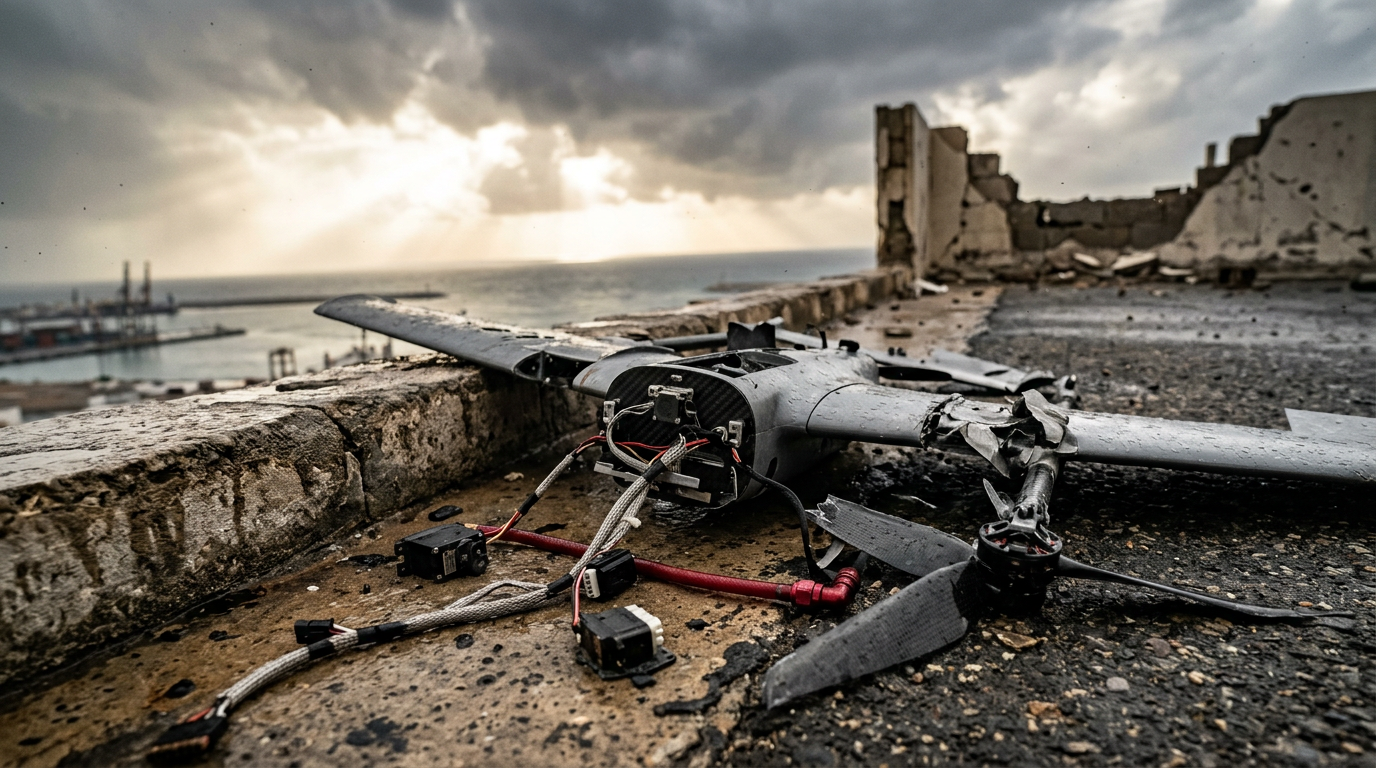
Two foreign nationals died in Oman on March 13, 2026, following drone strikes on the al-Awahi Industrial Area in Sohar province. Omani state media confirmed the fatalities, noting that one drone impacted an industrial site, causing casualties, while another landed in an unpopulated zone without incident. Authorities have initiated an investigation into the attacks.
This event unfolded as regional tensions intensified across the Gulf. The United States and Israel commenced military operations against Iran on February 28, 2026, prompting retaliatory actions from Tehran throughout the region. These broader hostilities have led to significant casualties, with Iranian authorities reporting approximately 1,300 deaths and over 10,000 injuries within Iran, alongside substantial casualties in Lebanon due to Israeli bombardments.
Regional Drone Activity Escalates
On the same day as the Omani incident, Saudi Arabia reported intercepting multiple drones targeting its capital, Riyadh, specifically the Diplomatic Quarter, and other locations. The Saudi Ministry of Defence confirmed downing a "hostile drone" near Riyadh's diplomatic area and intercepting three additional drones elsewhere. Earlier reports from the ministry indicated the destruction of 14 drones in various attempted attacks.
Dubai also experienced an incident where debris from an intercepted drone attack struck a building facade in the city center. No injuries were reported from this event. These recent occurrences follow a drone strike on Oman's Salalah port on March 11, 2026, which temporarily halted port operations, although Iran denied any involvement in that specific incident.
Geopolitical Context and Implications
The escalating drone activity underscores the volatile geopolitical landscape in the Middle East. The initial military actions by the U.S. and Israel against Iran, and Iran's subsequent responses, have broadened the scope of conflict beyond traditional battlegrounds, impacting civilian and industrial areas across multiple Gulf states. This expansion of hostilities raises concerns about regional stability and the safety of international shipping and trade routes.
International observers are closely monitoring the investigations into these attacks and the potential for further escalation. The use of drones by various actors in the region complicates attribution and response strategies, making de-escalation efforts more challenging. The economic implications for energy markets and global supply chains remain a significant concern as the conflict continues to unfold.
Outlook on Regional Stability
The ongoing conflict has already resulted in substantial human cost and infrastructure damage. The targeting of industrial areas and major cities, even if intercepted, signals a dangerous phase in regional dynamics. The international community continues to call for restraint and diplomatic solutions to prevent a wider conflagration that could have severe global repercussions. The frequency and geographical spread of these incidents suggest a sustained period of elevated risk in the Gulf region.
💊 Kapsül Analysis
📌 What Happened?
- Two foreign nationals were killed in Oman on March 13, 2026, by drone strikes in the al-Awahi Industrial Area.
- Saudi Arabia intercepted multiple drones targeting Riyadh and other locations on the same day.
- Debris from an intercepted drone attack struck a building in Dubai, causing no injuries.
🔍 Why It Matters
- The incidents signify a dangerous escalation of regional conflict, extending beyond direct combat zones.
- The use of drones complicates attribution and response, increasing regional instability.
- Attacks on industrial and urban areas pose direct threats to civilian populations and economic infrastructure.
📈 Market & Political Impact
- **Market:** Increased geopolitical risk could lead to volatility in global oil prices and shipping insurance premiums.
- **Market:** Potential disruption to supply chains and foreign investment in the Gulf region.
- **Geopolitics:** Heightened tensions between regional powers and their international allies, complicating diplomatic efforts.
👁️ What to Watch
- Official investigation results from Omani authorities regarding the drone attacks.
- Further statements or actions from the U.S., Israel, and Iran regarding regional military operations.
- Impact on international shipping and trade routes through the Strait of Hormuz.
📋 Source Status
Multi-source
📊 Confidence
Level: High — Information is corroborated by state media and official defense ministry reports from multiple countries.
Implications
Country Impact: Oman, Saudi Arabia, and UAE face direct security threats from escalating regional conflicts, potentially impacting their economic stability and international relations. The incidents underscore the vulnerability of critical infrastructure and urban centers to drone warfare.
Industry Impact: The energy sector and global shipping industry are particularly vulnerable to disruptions, with potential impacts on oil prices, insurance costs, and supply chain reliability. Foreign investment in the Gulf region may also face increased scrutiny due to heightened security risks.
Market Impact: Global financial markets may experience increased volatility, particularly in commodity markets like oil. Investor confidence in the Middle East could decline, leading to capital outflows and a reassessment of risk premiums for assets in the region.