US Launches 'Shield of Americas' Security Initiative
The US launched the 'Shield of the Americas' on March 7, 2026, with 13 nations to combat drug trafficking and human smuggling.
Lauren Collins ·
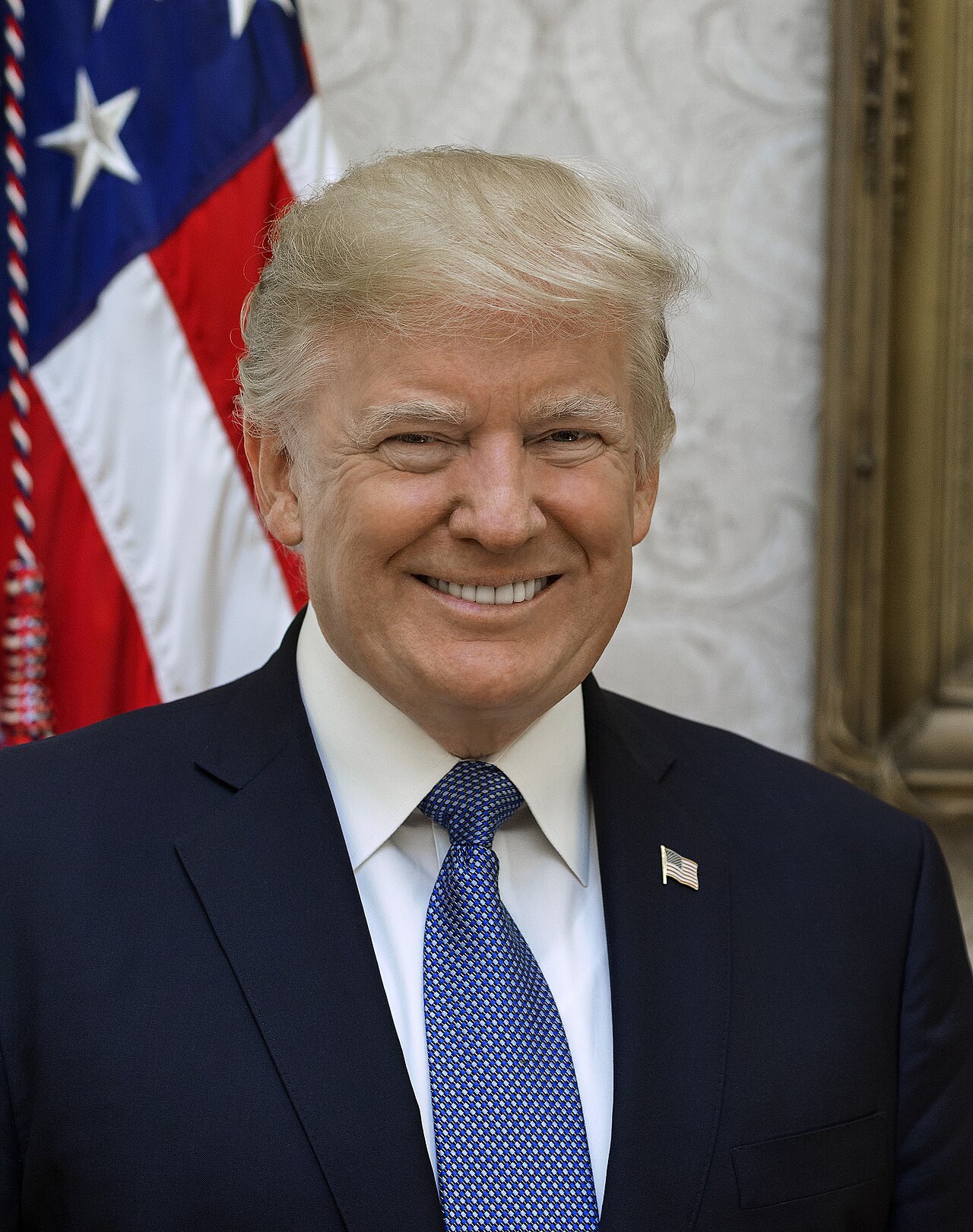
The United States government, under the Trump administration, initiated the "Shield of the Americas" program on March 7, 2026. This security-focused endeavor, launched in Miami, Florida, brought together leaders from thirteen Latin American and Caribbean nations to bolster regional security cooperation.
The primary objective of the "Shield of the Americas" is to disrupt and dismantle transnational criminal organizations. These groups are heavily involved in illicit activities such as drug trafficking and human smuggling, which contribute to instability across the hemisphere. The initiative emphasizes enhanced intelligence sharing, coordinated operational efforts, and expanded military collaboration among participating countries.
Addressing Regional Security Challenges
Participants and Scope
Underlying Factors and Long-Term Strategy
To achieve sustainable outcomes, the United States is advised to integrate security efforts with broader governance reforms. This includes providing support for independent prosecutorial bodies, enhancing financial oversight mechanisms, and promoting judicial reforms. Such measures are deemed essential for fostering democratic resilience and creating an environment less susceptible to criminal influence.
The initiative aims to create a more secure and stable Western Hemisphere by tackling both the symptoms and root causes of organized crime.
Implications
Country Impact: The initiative aims to reduce crime and instability in participating Latin American and Caribbean nations, potentially strengthening their internal security. However, the absence of major regional players like Mexico and Brazil could limit its overall effectiveness and create uneven security landscapes.
Industry Impact: Enhanced security cooperation could positively impact industries vulnerable to organized crime, such as logistics and trade, by reducing risks and improving supply chain integrity. Conversely, increased military and intelligence spending may create opportunities for defense and security technology sectors.
Market Impact: Improved regional stability could attract foreign investment and foster economic growth in participating countries, potentially boosting local stock markets and currency stability. However, any perceived political instability or lack of broad regional buy-in could deter investment, particularly in nations not fully engaged.