Trump Seeks Allied Naval Support in Hormuz Strait
Former U.S. President Trump sought allied naval support for the Strait of Hormuz amid Iran tensions, impacting global oil markets.
Lauren Collins ·
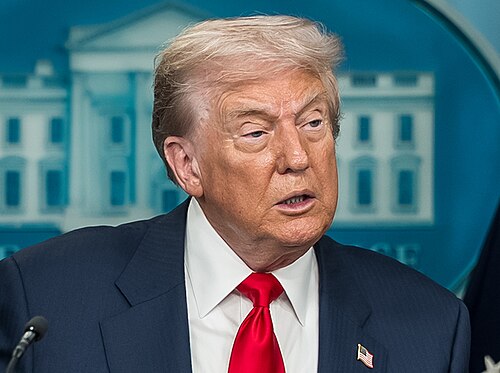
Former U.S. President Donald Trump, during his administration, called for international naval support to secure the Strait of Hormuz. This appeal came amid heightened tensions with Iran, which had taken actions perceived as threatening the vital shipping lane. The Strait of Hormuz is a critical chokepoint, through which approximately one-fifth of the world's oil and liquefied natural gas (LNG) transits.
Trump's request for allied assistance on Monday highlighted a perceived lack of commitment from some international partners. Several European nations, including Germany, Spain, and Italy, indicated at the time that they had no immediate intentions of deploying naval forces to the region. Conversely, Britain and Denmark expressed a willingness to consider options, while France signaled potential participation in a security initiative.
Geopolitical Context and Escalation
The U.S. administration's push for a naval coalition followed a period of escalating tensions with Iran. These tensions were exacerbated by U.S. and Israeli military actions against Iranian targets, which prompted retaliatory measures from Tehran. One notable incident involved strikes on Iran's Kharg Island, a key facility responsible for handling approximately 90% of the country's oil exports.
Disruptions in the Strait of Hormuz have historically led to significant fluctuations in global energy markets. The instability contributed to an increase in international oil prices and subsequently higher gasoline costs for American consumers. Such economic impacts can pose domestic political challenges for any U.S. administration.
Diplomatic Stance and Future Outlook
Despite ongoing communications, President Trump expressed skepticism regarding Iran's readiness for substantive negotiations to de-escalate the conflict. The U.S. had previously withdrawn from the Joint Comprehensive Plan of Action (JCPOA), commonly known as the Iran nuclear deal, in 2018, reimposing sanctions that further strained relations.
The broader geopolitical landscape in the Middle East, characterized by regional rivalries and the strategic importance of energy supplies, underscores the persistent challenges in maintaining stability in the Strait of Hormuz. International efforts to ensure freedom of navigation in such critical waterways often involve complex diplomatic and military coordination, balancing deterrence with de-escalation.
International Response and Economic Implications
The varied responses from U.S. allies reflected differing national interests and approaches to regional security. While some nations prioritized de-escalation and diplomatic solutions, others considered military contributions to safeguard maritime trade. The economic ramifications of any prolonged disruption in the Strait extend beyond oil prices, potentially affecting global supply chains and trade routes.
The situation in the Strait of Hormuz remains a focal point for international security discussions, given its indispensable role in global energy transit. The interplay between geopolitical tensions, economic pressures, and diplomatic initiatives continues to shape the stability of this crucial maritime corridor.
Implications
Country Impact: The U.S. faced challenges in securing full allied commitment for naval operations, highlighting potential divergences in foreign policy priorities among partners. Increased gasoline prices could have domestic political repercussions.
Industry Impact: The energy sector experienced price volatility due to supply concerns in a critical chokepoint. Shipping and maritime insurance industries faced elevated risks and costs for operations in the Persian Gulf.
Market Impact: Global oil prices rose in response to heightened tensions and potential supply disruptions. This could lead to inflationary pressures and impact consumer spending in major economies.