Airline CEOs Seek DHS Funding to Avert Travel Chaos
U.S. airline CEOs urged Congress on March 15, 2026, to fully fund the Department of Homeland Security to prevent air travel disruptions.
Lauren Collins ·
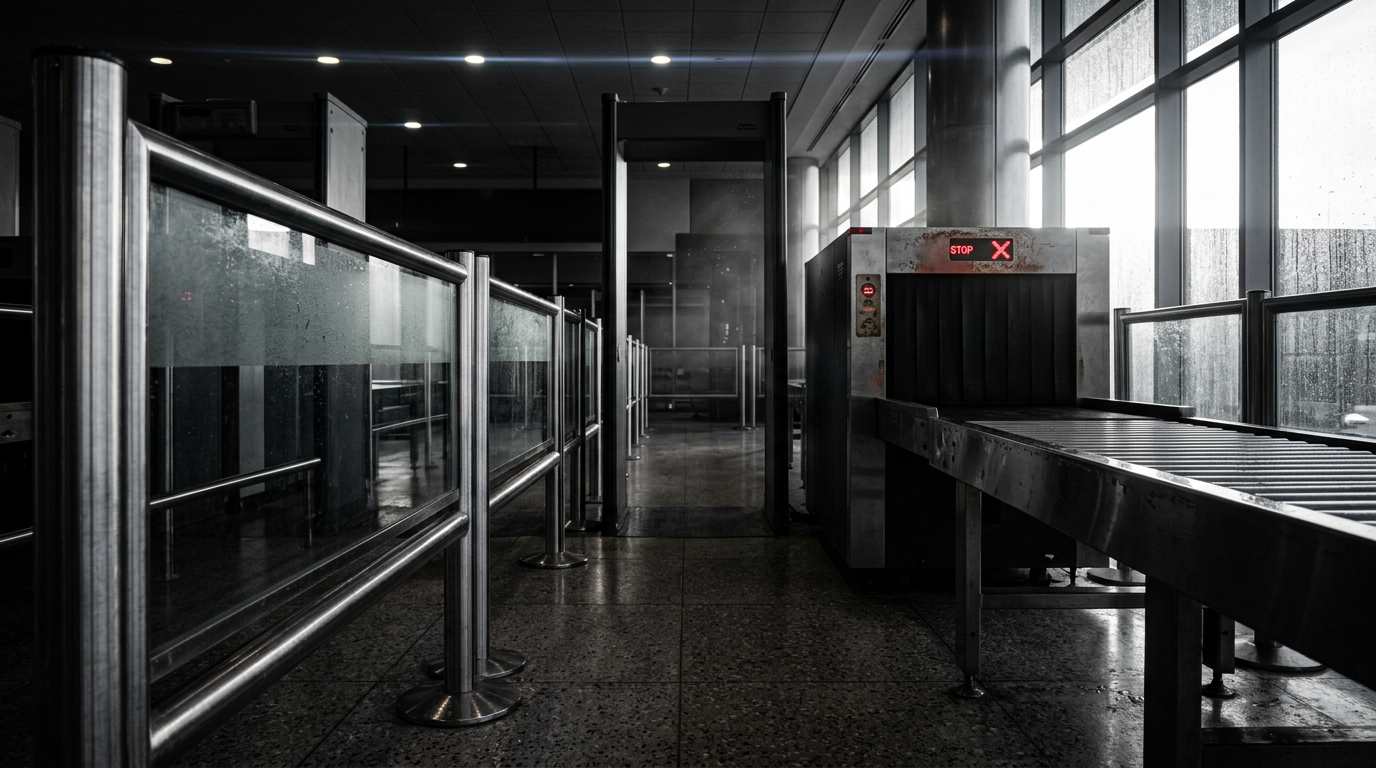
Major U.S. airline executives recently called on Congress to ensure full funding for the Department of Homeland Security (DHS). This appeal, made on March 15, 2026, aims to prevent potential widespread disruptions to air travel across the nation. The industry leaders highlighted the essential functions performed by DHS components, particularly the Transportation Security Administration (TSA) and Customs and Border Protection (CBP), in safeguarding aviation operations and maintaining efficiency.
Industry Leaders' Concerns
The chief executives, representing prominent carriers including American Airlines, Delta Air Lines, United Airlines, Southwest Airlines, and Alaska Airlines, collectively addressed congressional leaders. Their communication underscored the direct link between adequate DHS funding and the smooth functioning of the U.S. air transportation system. They emphasized that a lapse in funding could lead to significant operational challenges.
Potential Operational Disruptions
A government shutdown scenario would necessitate the furlough of a substantial number of DHS personnel. This reduction in staffing levels, particularly within the TSA and CBP, is projected to result in longer security checkpoint queues, increased flight delays, and potential cancellations. Such outcomes would negatively affect millions of passengers and impose considerable financial burdens on airline operations.
Economic Implications of Shutdowns
The U.S. airline sector is a significant contributor to the national economy, supporting numerous jobs and facilitating commerce. Prolonged disruptions stemming from an underfunded DHS could trigger broader economic repercussions, extending beyond the aviation industry itself. Previous government shutdowns have demonstrated the immediate impact on travel and related sectors.
Historical Context of Funding Disputes
Disputes over federal funding and the threat of government shutdowns have periodically affected various government agencies, including those critical to national infrastructure. These episodes often lead to uncertainty and operational challenges for industries reliant on federal services. The airline industry's proactive stance reflects a desire to mitigate such risks before they materialize.
Ensuring Aviation Security and Efficiency
The core argument from the airline industry centers on the indispensable role of DHS agencies in maintaining both the security and efficiency of air travel. The TSA is responsible for passenger screening, while CBP manages border security and customs processing. Any compromise to these functions could undermine public confidence in air travel and create bottlenecks at airports nationwide.
Outlook for Congressional Action
Congress faces the decision of allocating sufficient funds to the DHS to avert these potential disruptions. The airline industry's direct appeal serves as a strong signal regarding the economic and operational consequences of failing to secure full funding. The outcome of these discussions will directly influence the stability of air travel in the coming months.
Implications
Country Impact: A potential U.S. government shutdown could lead to significant economic disruption, particularly within the travel and tourism sectors, impacting national GDP and consumer confidence. Essential federal services would be curtailed, affecting various aspects of daily life and commerce.
Industry Impact: The airline industry faces substantial operational and financial risks from a DHS funding lapse, including increased costs from delays and cancellations, reputational damage, and reduced passenger demand. This could lead to a downturn in airline profitability and investment.
Market Impact: Financial markets may react negatively to the prospect of a government shutdown, with potential impacts on airline stock prices and broader market indices due to economic uncertainty. Investor confidence could wane, leading to increased volatility in related sectors.