Hormuz Closure Forces Gulf Import Rerouting
The effective closure of the Strait of Hormuz on March 16, 2026, forces Gulf importers to reroute essential goods, increasing costs and congestion.
Lauren Collins ·
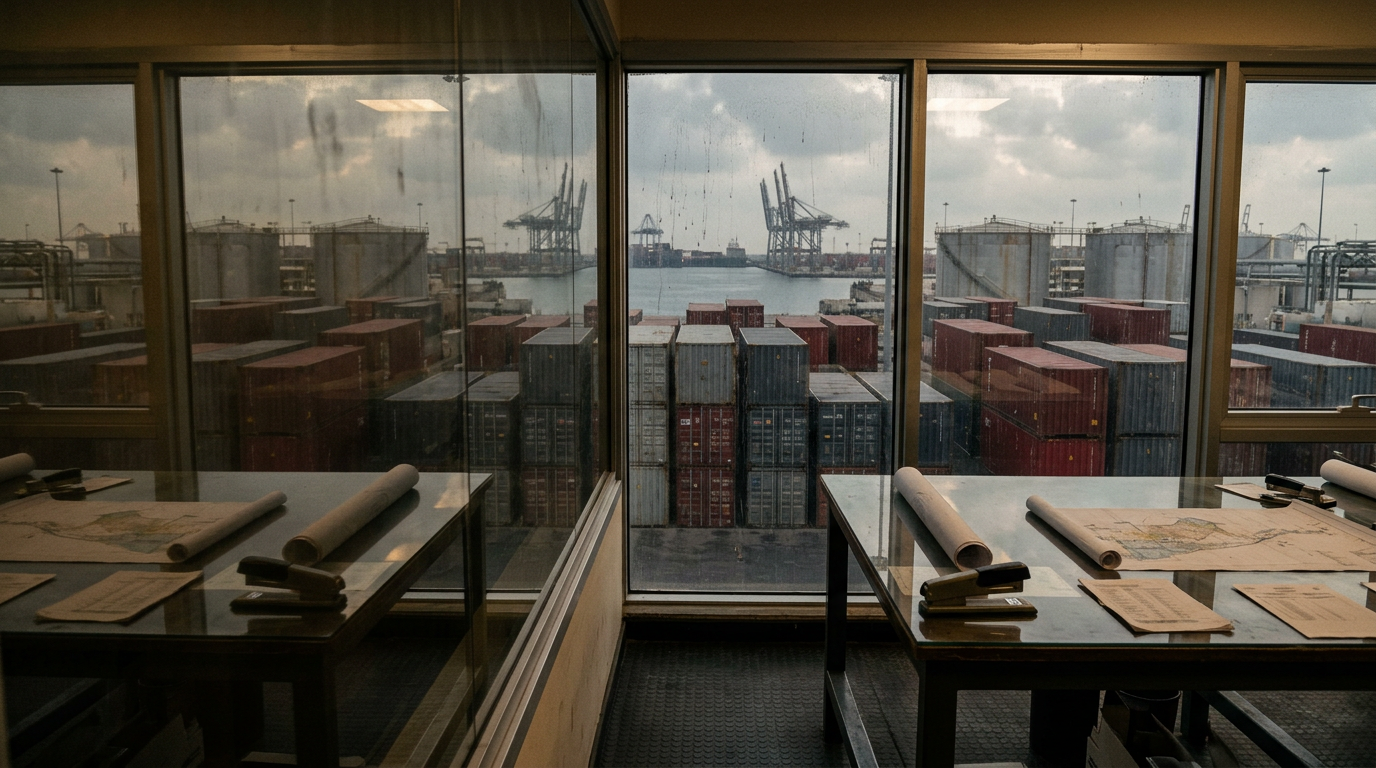
Commercial shipping into the Persian Gulf has been significantly disrupted following the effective closure of the Strait of Hormuz on March 16, 2026. This development has compelled importers across the Gulf region to implement costly and complex alternative supply chain strategies for essential goods, including food and medicines. -Israeli conflict with Iran, which has rendered the critical maritime chokepoint impassable for commercial vessels.
Logistics firms are actively adjusting their operations to mitigate the impact. Data from Kpler, a commodity intelligence firm, indicates that a substantial number of container vessels originally destined for ports within the Strait have altered their courses. Specifically, 43 out of 81 container ships initially bound for these ports on February 28 have since been rerouted to alternative Gulf ports, while the remaining vessels have diverted completely from the region.
Alternative Shipping Routes Emerge
The closure has necessitated a rapid shift in maritime logistics. Cargoes are now being directed to ports situated outside the Strait of Hormuz. Key alternative hubs include Fujairah and Khor Fakkan in the United Arab Emirates, and Sohar in Oman. These ports, however, possess more limited capacity compared to major facilities like Dubai's Jebel Ali, leading to increased congestion and longer clearance times for goods.
Rising Costs and Operational Challenges
The redirection of shipping routes is introducing significant cost escalations for importers. Transporting goods by truck from these alternative ports to destinations such as Dubai can substantially increase the overall price, potentially multiplying the original ocean freight costs. Logistics providers are also facing heightened operational complexities.
TruKKer, a prominent logistics company, is scaling up its ground transportation capabilities to manage the increased demand. The firm plans to expand its daily truck movements from 60 to 500. Concurrently, TruKKer has announced price adjustments, with increases ranging from 5% to 15% on routes to Saudi Arabia. These surcharges are attributed to higher fuel expenses and the added operational challenges associated with the new, longer routes.
Geopolitical Context and Economic Impact
The Strait of Hormuz is a globally critical maritime passage, with approximately one-fifth of the world's total oil consumption and a significant portion of liquefied natural gas (LNG) passing through it daily. Its effective closure, even for commercial traffic, underscores the severe economic ramifications of geopolitical tensions in the Middle East.
The current disruption highlights the vulnerability of global supply chains to regional conflicts and the immediate need for robust contingency planning by international businesses and governments. The long-term implications could include sustained higher import costs for Gulf nations and potential shifts in regional trade dynamics as companies seek more stable supply routes.
Outlook for Regional Trade
The ongoing situation demands continuous adaptation from logistics and trade sectors. While alternative ports and ground transport networks are being utilized, their capacity limitations and the associated cost increases present persistent challenges. The duration of the Strait's effective closure will determine the extent of the economic impact on Gulf economies and the broader global market, particularly concerning energy and essential goods.
Businesses are likely to continue exploring diversified supply chain strategies to mitigate future risks associated with geopolitical instability in the region.
Implications
Country Impact: Gulf nations face increased import costs and potential shortages of essential goods due to disrupted supply chains. Their reliance on alternative, less capacious ports could lead to sustained economic pressure and inflation.
Industry Impact: The logistics and shipping industries are experiencing significant operational challenges, including rerouting, increased fuel costs, and congestion at alternative ports. This necessitates rapid adaptation and investment in ground transportation infrastructure.
Market Impact: Global markets could see upward pressure on commodity prices, particularly oil and gas, if the disruption to the Strait of Hormuz persists. Increased shipping costs for goods destined for the Gulf region may also contribute to broader inflationary trends.