Iran Boosts Security Amidst Regional Tensions
Iran is increasing security and public mobilization in March 2026, projecting defiance towards the U.S. and Israel amidst rising regional tensions.
Lauren Collins ·
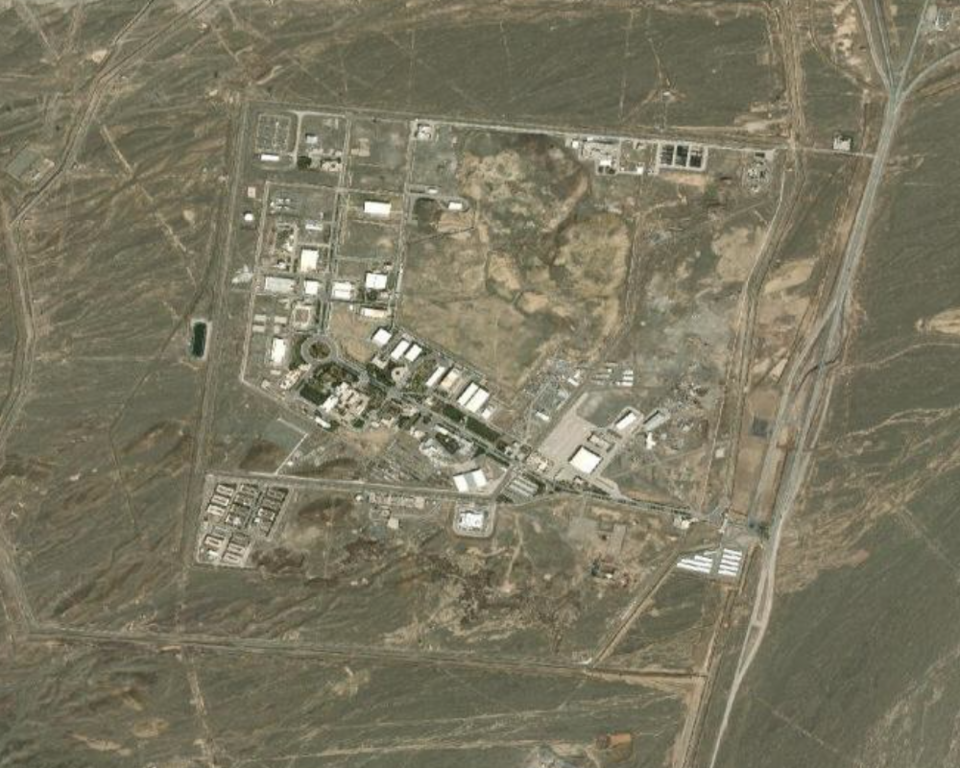
Iranian authorities are intensifying security measures and organizing public demonstrations across the country in March 2026. These actions coincide with the traditional Chaharshanbe Suri festival and are intended to project national resolve against perceived external threats, particularly from the United States and Israel.
State media has encouraged citizens to participate in symbolic acts, such as burning effigies of U.S. President Donald Trump and Israeli Prime Minister Benjamin Netanyahu during the Chaharshanbe Suri celebrations. This directive aims to channel public sentiment in alignment with official government narratives regarding ongoing geopolitical tensions.
Heightened Security Operations
Security forces have significantly increased their presence in major urban centers, including Tehran. Residents have observed a notable rise in paramilitary Basij patrols and the establishment of numerous checkpoints throughout the capital. Reports indicate that masked personnel, equipped with assault rifles, are manning these checkpoints, suggesting a heightened state of alert.
Military Engagements and Threats
The Islamic Revolutionary Guard Corps (IRGC) has reported continued military operations, including ballistic missile and drone attacks. Notably, the IRGC announced the first wartime deployment of a Sejjil long-range ballistic missile on Sunday, signaling an escalation in its operational capabilities. The IRGC has also issued explicit threats targeting Israeli Prime Minister Benjamin Netanyahu.
Domestic Control and Propaganda
In parallel with external posturing, the Iranian government is reinforcing internal control. The general prosecutor's office in Tehran has prohibited the use of fireworks and explosives during the upcoming festivities, citing concerns about potential exploitation by "spying or rioting elements." This measure underscores official efforts to prevent any unauthorized gatherings or expressions of dissent.
State media channels are actively disseminating images of Basij recruitment drives and pro-establishment demonstrations. This media campaign aims to bolster public support for the government and its policies. Authorities have also issued stern warnings, including threats of severe penalties such as execution, for individuals engaging in anti-establishment activities.
Regional Context and Implications
The current mobilization occurs within a broader context of elevated regional tensions. Reports suggest that Israeli forces have utilized Hermes and Heron drones for surveillance and attacks on checkpoints in Tehran, leading to casualties among Basij commanders. This alleged activity indicates a direct and covert engagement within Iranian territory, further exacerbating the already strained relationship between the two nations.
The Iranian government's dual strategy of public mobilization and stringent security measures reflects its determination to project strength both domestically and internationally. The confluence of traditional festivals with heightened geopolitical rhetoric and military actions suggests a calculated effort to consolidate power and manage public perception amidst a volatile regional environment.
Implications
Country Impact: Iran's internal security posture is tightening, potentially leading to increased suppression of dissent. The government's actions aim to consolidate domestic support and project an image of national unity against external adversaries.
Industry Impact: The heightened regional tensions and military posturing could impact global energy markets, particularly oil prices, due to concerns over potential disruptions in the Strait of Hormuz. Defense industries in the region may see increased demand.
Market Impact: Global financial markets may react to escalating rhetoric and military actions with increased volatility, particularly in commodity markets. Investor confidence in the Middle East region could decline, affecting foreign direct investment.