Trump Downplays Saudi Base Attack Damage
President Trump stated on March 14, 2026, that an attack on a Saudi base caused minimal damage to U.S. tanker planes, contradicting earlier reports.
Lauren Collins ·
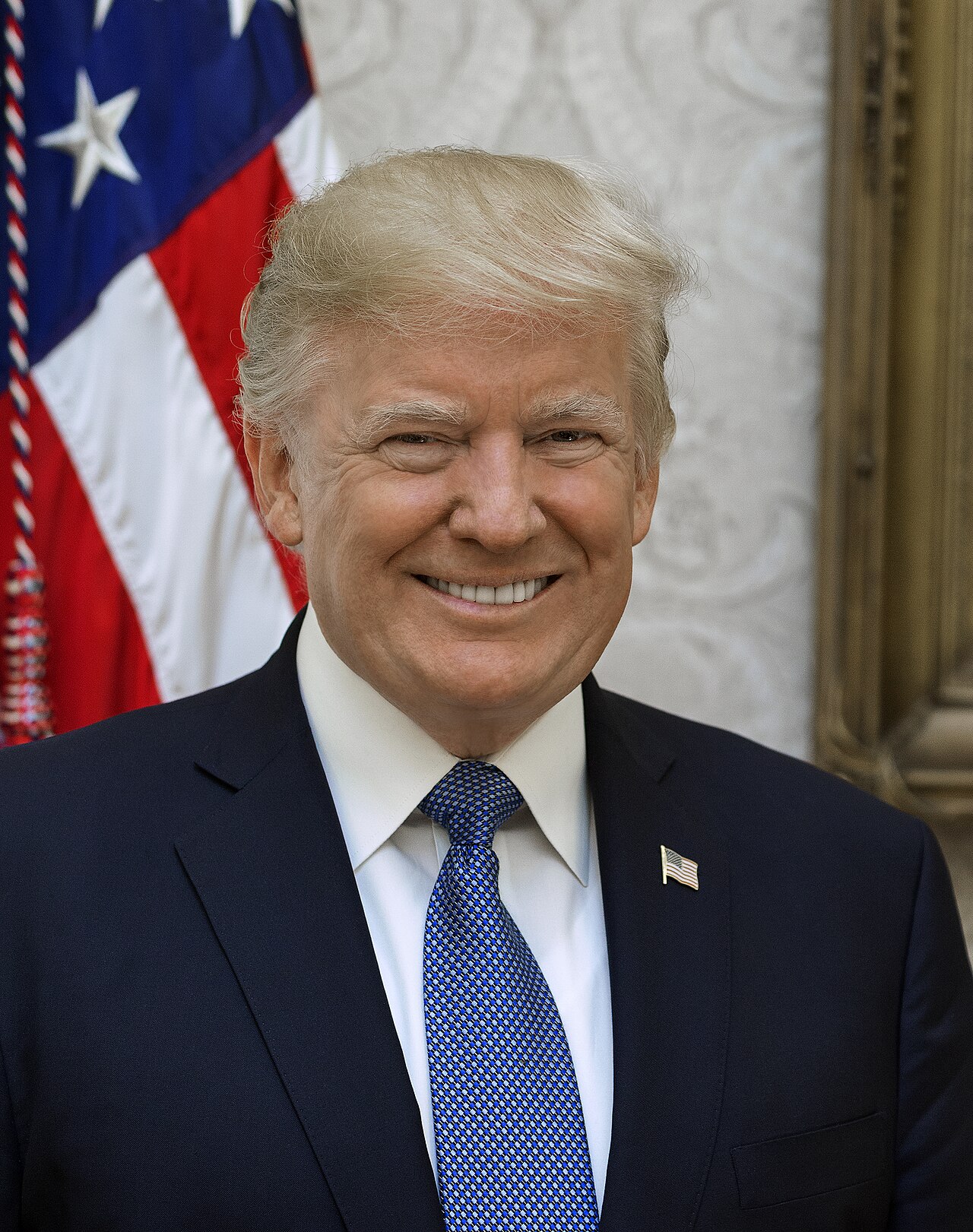
President Donald Trump asserted on Saturday, March 14, 2026, that an attack on a Saudi Arabian airbase resulted in minimal damage to U.S. military assets. He stated that four out of five targeted tanker aircraft were already operational, with the fifth expected to return to service imminently.
This assessment, communicated via a Truth Social post, directly contrasted with earlier reports from U.S. media. These reports had indicated more significant damage to five U.S. Air Force refueling planes stationed at Prince Sultan Air Base.
Attack Details and Official Statements
The incident involved an assault on Prince Sultan Air Base in Saudi Arabia. While President Trump characterized the damage as negligible, earlier media accounts, including one from the Wall Street Journal on Friday, March 13, 2026, suggested that Iranian-backed forces were responsible for strikes that impacted five U.S. refueling aircraft.
President Trump's public statement emphasized the rapid recovery of the affected planes. He noted that four of the five tanker planes were "virtually no damage" and had resumed operations, with the remaining aircraft anticipated to be back in service "shortly."
Contrasting Narratives and Regional Tensions
The discrepancy between the President's statement and initial media reports highlights a recurring theme in regional security assessments. Official communications often aim to project stability and control, particularly in areas of geopolitical sensitivity.
Prince Sultan Air Base serves as a critical hub for U.S. military operations in the Middle East. Its location in Saudi Arabia places it within a region frequently affected by geopolitical tensions, particularly those involving Iran and its proxies.
Strategic Importance of Air Assets
Refueling tankers are essential for extending the range and endurance of combat aircraft, playing a vital role in air superiority and projection of power. Any disruption to these assets could have broader implications for military operations in the Persian Gulf and beyond.
The U.S. military maintains a significant presence in Saudi Arabia, a key ally in the region. This presence is central to Washington's strategy for counterterrorism and deterring regional adversaries.
Implications for Regional Stability
The incident, regardless of the extent of damage, underscores the ongoing security challenges in the Middle East. Attacks on military installations, even if minor, can escalate tensions and prompt retaliatory measures.
Monitoring the official responses and independent verification of such events remains crucial for understanding the true state of regional stability and the effectiveness of defense measures. The differing accounts also reflect the challenges in information dissemination during periods of geopolitical friction.
Implications
Country Impact: The incident highlights ongoing security challenges for Saudi Arabia, a key U.S. ally, as its military installations remain targets amidst regional tensions. It could influence future defense cooperation and security protocols.
Industry Impact: The defense industry might see increased demand for advanced protective systems and rapid repair capabilities for military aircraft and infrastructure. Aviation and logistics sectors could face heightened security concerns in the region.
Market Impact: Global oil markets could react to perceived escalations in Middle East tensions, potentially leading to price volatility. Defense sector stocks might experience short-term fluctuations based on perceived threats and military spending outlooks.