Trump Predicts Warship Deployment to Hormuz Strait
Trump expects nations to send warships to the Strait of Hormuz amid Iran blockade threats, highlighting global energy security concerns.
Cuneyd Erdogan ·
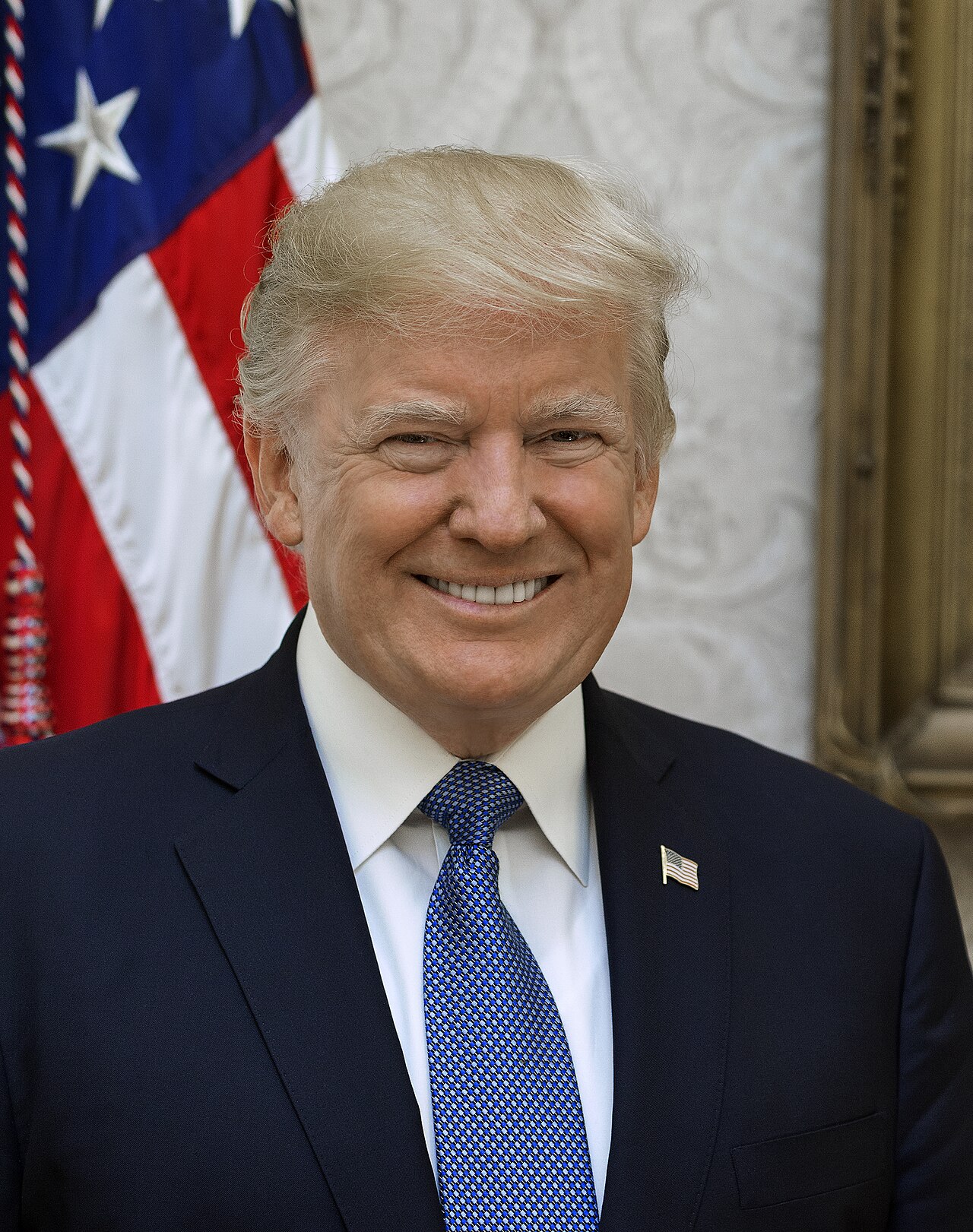
Former U.S. President Donald Trump recently stated his expectation that numerous nations would dispatch warships to the Strait of Hormuz. This assertion came in response to perceived threats of an Iranian blockade of the critical maritime chokepoint. The Strait of Hormuz is a vital waterway for global energy markets, connecting the Persian Gulf to the open ocean.
Strategic Importance of Hormuz
The Strait of Hormuz is one of the world's most strategically important maritime passages. Approximately one-fifth of the world's total oil consumption, and a significant portion of its liquefied natural gas (LNG), transits through this narrow channel daily. Its closure or disruption would have immediate and severe repercussions for global energy prices and supply chains.
Historical Tensions and Naval Presence
Historically, the region has been a flashpoint for geopolitical tensions, particularly involving Iran and Western powers. The U.S. Fifth Fleet, headquartered in Bahrain, maintains a substantial naval presence in the Persian Gulf to ensure freedom of navigation. Other international naval forces, including those from the United Kingdom and France, also operate in the area, often participating in anti-piracy and maritime security operations.
Iran's Stance on the Strait
Iran has, on several occasions, threatened to close the Strait of Hormuz in response to international sanctions or military pressure. These threats are typically viewed as a deterrent tactic, aiming to underscore the potential economic consequences of escalating conflicts in the region. While such a blockade would be challenging to sustain against international naval forces, even a temporary disruption could cause significant market volatility.
International Response and Diplomacy
Following past Iranian threats, international efforts have focused on diplomatic solutions and maintaining a robust, multinational naval presence. The objective is to deter any attempts to impede commercial shipping while also de-escalating potential confrontations. The United States has historically advocated for a broad international coalition to safeguard maritime security in the Gulf region.
Economic Implications of Disruption
Any significant disruption to shipping in the Strait of Hormuz would trigger a sharp increase in crude oil and natural gas prices. This would impact energy-importing nations globally, potentially leading to economic instability and inflationary pressures. Insurance premiums for vessels operating in the region would also surge, increasing shipping costs for all commodities.
Outlook on Regional Security
The prospect of increased naval deployments underscores the ongoing fragility of security in the Persian Gulf. While a full-scale blockade remains a low-probability event due to the overwhelming international response it would provoke, the rhetoric surrounding such possibilities highlights the persistent geopolitical risks associated with the region's energy infrastructure. International diplomacy continues to seek pathways for de-escalation and stability.
Implications
Country Impact: Energy-importing nations, particularly in Asia and Europe, would face immediate economic challenges due to potential oil and gas price spikes. Regional stability for Gulf states would be severely tested.
Industry Impact: The global energy sector, including oil and gas producers, refiners, and shippers, would experience extreme volatility. Insurance and maritime logistics industries would also see significant disruption and increased costs.
Market Impact: Global equity markets would likely react negatively to increased geopolitical risk, while oil and gas futures would surge. Bond markets might see a flight to safety, and currencies of energy-dependent economies could weaken.