Trump Announces Surge of Tankers Arriving to Load US Crude Oil and Gas Reserves
Trump said April 11, 2026 that many empty tankers are heading to the U.S. to load crude and gas, as U.S.-Iran talks continued in Islamabad.
Lauren Collins ·
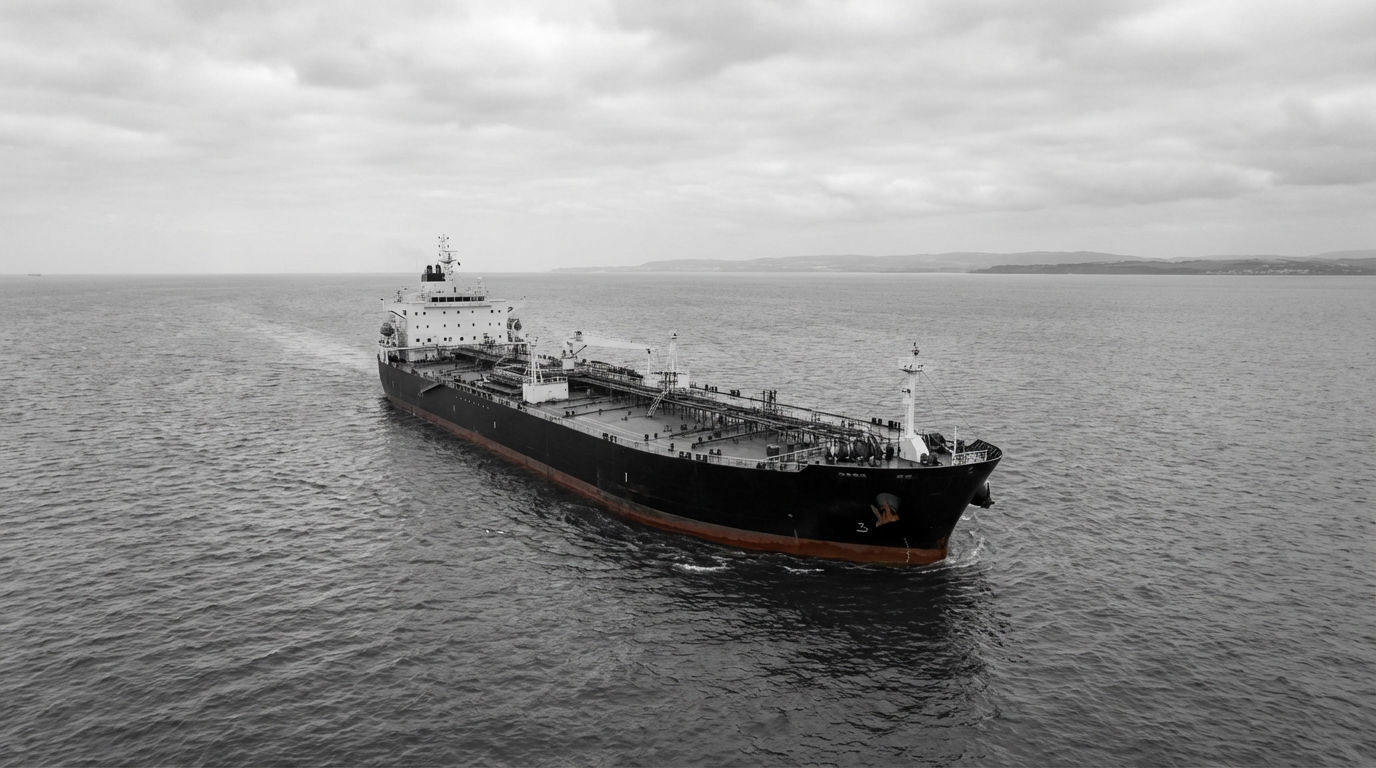
U.S. President Donald Trump said on Saturday, April 11, 2026, that many empty oil tankers were heading to the United States to load crude oil and natural gas. He made the claim in a post on Truth Social, linking the reported vessel movements to what he described as the scale and quality of U.S. energy resources.
In the post, Trump said the inbound ships included some of the world’s largest tankers. He wrote that they were coming to carry what he called the “best and ‘sweetest’ oil and gas,” and he asserted that the United States holds more oil than the combined reserves of the next two largest oil economies, while also describing U.S. oil as higher quality.
The statement came as senior U.S. and Iranian officials continued talks in Islamabad, with Pakistani intermediaries involved, according to the information provided. The discussions were described as focused on setting conditions for direct negotiations intended to resolve a conflict between the two countries that has lasted six weeks.
Earlier in the week, Trump had also spoken about Iran in connection with tanker transit through the Strait of Hormuz. The strait is widely regarded as a critical chokepoint for global energy supplies, and comments about passage through it can draw close attention from governments, commodity traders, and shipping markets because of the risk that disruptions could ripple through international supply chains.
Trump’s April 11 post did not provide key operational details that would allow markets to verify or quantify the reported tanker activity. He did not specify how many tankers were involved, which U.S. ports they were expected to call at, or when any loading would occur. The post also did not say whether the cargoes were intended for particular regions or buyers, or whether the vessels had already been chartered for U.S. exports.
With limited specifics, the information leaves several open questions for energy and shipping stakeholders. Based on what was shared, uncertainties include the scale of the tanker inflow described by Trump, the commercial arrangements behind the voyages, and whether the Islamabad discussions could affect the broader U.S.-Iran situation. The material provided does not cite officials confirming the tanker movements, and it does not report any outcome from the mediated meetings.
Even without full disclosure, the combination of public messaging about U.S. supply and ongoing diplomacy involving Iran can keep attention on both physical energy flows and geopolitical risk. In energy markets, factors such as tanker availability, routing choices, and perceptions of supply security can influence pricing and hedging decisions, particularly when the Strait of Hormuz is part of the broader narrative.