Israel-Hezbollah Fire Resumes After Ceasefire
Israel-Hezbollah fire resumed Thursday-Friday after a reported U.S.-Iran ceasefire, with Haifa hit and UKMTO noting only five Hormuz transits.
Lauren Collins ·
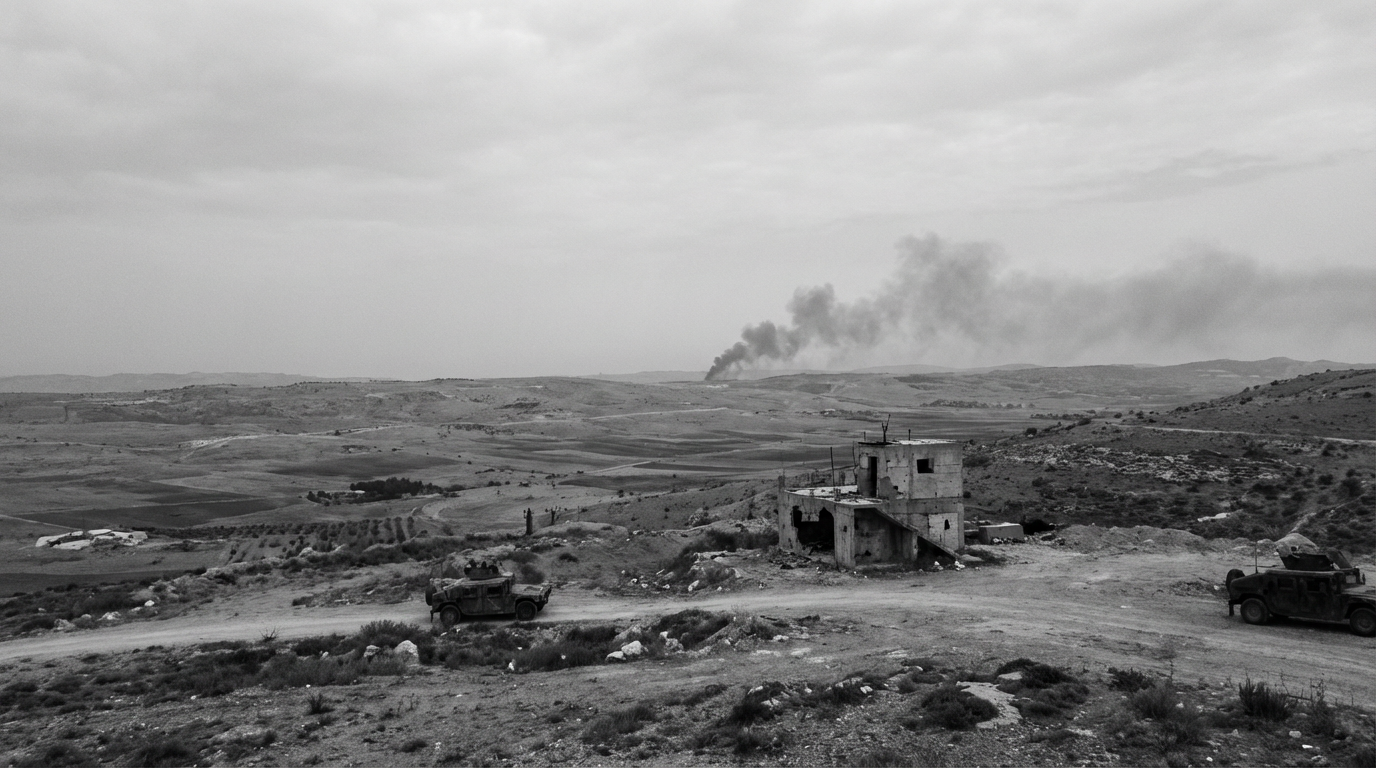
Israeli forces and Hezbollah militants exchanged rocket fire and carried out strikes in Lebanon and northern Israel on Thursday and Friday, days after a U.S.-Iran ceasefire agreement was reported to have taken effect. The renewed hostilities came after what was described as a two-week ceasefire between the U.S. and Iran, which Pakistan's UN envoy, acting as mediator, confirmed included Lebanon.
Israel reiterated that it would continue striking Hezbollah, which it views as a direct threat, particularly to communities in northern Israel. Rocket activity rose sharply late Thursday into early Friday, and the strategic port city of Haifa was hit by rockets for the first time since the ceasefire began early Wednesday morning, according to the account provided in the source material.
The escalation has immediate security implications for civilians and infrastructure in northern Israel. The source material states that about 1.5 million people in northern Israel are under direct threat from Hezbollah rocket attacks, underscoring the scale of exposure as cross-border fire resumes after the reported ceasefire start.
In Lebanon, the Lebanese Health Ministry reported that the death toll from Israeli attacks across the country on Wednesday rose to 303. The report did not provide additional breakdowns in the source material, but the figure was presented as an updated total for that day’s strikes.
Beyond the immediate Israel-Lebanon front, the source material also pointed to continued caution in a key global shipping corridor. The UKMTO said attacks in the Strait of Hormuz had stopped, but noted that only five ships transited the area in the past 24 hours, suggesting that maritime operators remained wary despite the reported lull.
For markets and policymakers, the developments link regional security conditions with trade and risk management decisions. The reported reduction in traffic through the Strait of Hormuz, even as attacks were said to have ceased, highlights how quickly perceived risk can affect shipping behavior and operational planning. -Iran ceasefire, even if it included Lebanon as confirmed by Pakistan's UN envoy, did not prevent fresh cross-border fire in the days that followed.
Key uncertainties remain based on the information provided. The source material does not specify the full scope of damage from the rocket attacks, the precise targets of strikes, or whether additional diplomatic steps are planned to reinforce the reported ceasefire framework. It also remains unclear, from the details given, how long the reduced shipping volumes in the Strait of Hormuz will persist.