Trump Demands Iran Halt Strait of Hormuz Shipping Fees
Trump urges Iran to stop Strait of Hormuz shipping fees, calling reported tolls improper as the White House backs reopening without military revenue.
Lauren Collins ·
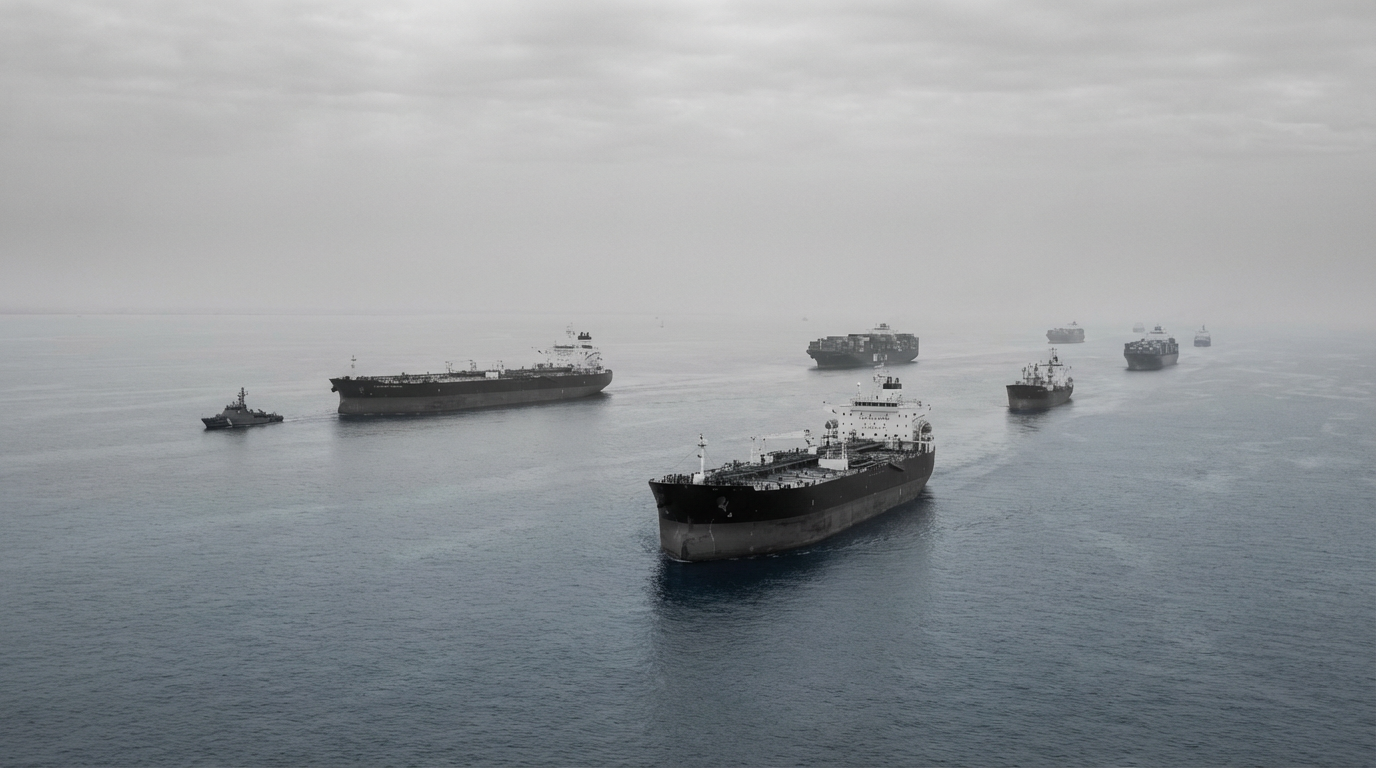
President Donald Trump said Thursday evening that Iran should immediately stop charging fees on ships passing through the Strait of Hormuz, describing the reported practice as improper and “dishonorable.” Trump made the allegation in a social media post and said any such toll would violate an agreement, though he did not identify which agreement he was referring to.
In a series of messages responding to reports about Iranian fees, Trump issued a warning and called for an immediate halt. In one post, he wrote: “They better not be and, if they are, they better stop now!” In another, he criticized Iran’s handling of the waterway, saying it was doing a “very poor job.”
The Strait of Hormuz is a strategically important maritime passage used by commercial shipping. Trump’s comments focused on the idea that Iran is collecting revenue from vessels transiting the strait, an allegation he framed as inconsistent with existing understandings governing passage through the route.
Separately, the White House has previously said it supports reopening the strait as part of a ceasefire deal. At the same time, the administration has opposed any arrangement that would allow Iran’s military to raise revenue by imposing tolls on commercial vessels. The administration’s position reflects concern about Iran’s role in the passage, which it says is controlled by Iran’s military.
Trump’s posts did not provide details on how the alleged fees are assessed, which ships would be affected, or how long the reported practice has been in place. The statements also did not specify what enforcement mechanism would apply if the fees continue, beyond the warning contained in his messages.
The dispute, as described in Trump’s posts and the administration’s prior statements, centers on whether commercial transit through the strait should be subject to charges that generate revenue for Iran’s military. The White House’s earlier comments linking the strait’s reopening to a ceasefire deal underscore the political sensitivity of the route and the role it can play in broader diplomatic arrangements.