Trump Orders Review of Gray Wolf Protections Under ESA
President Trump has directed the Interior Department to review gray wolf protections, aiming to shift management to states within 90 days.
Lauren Collins ·
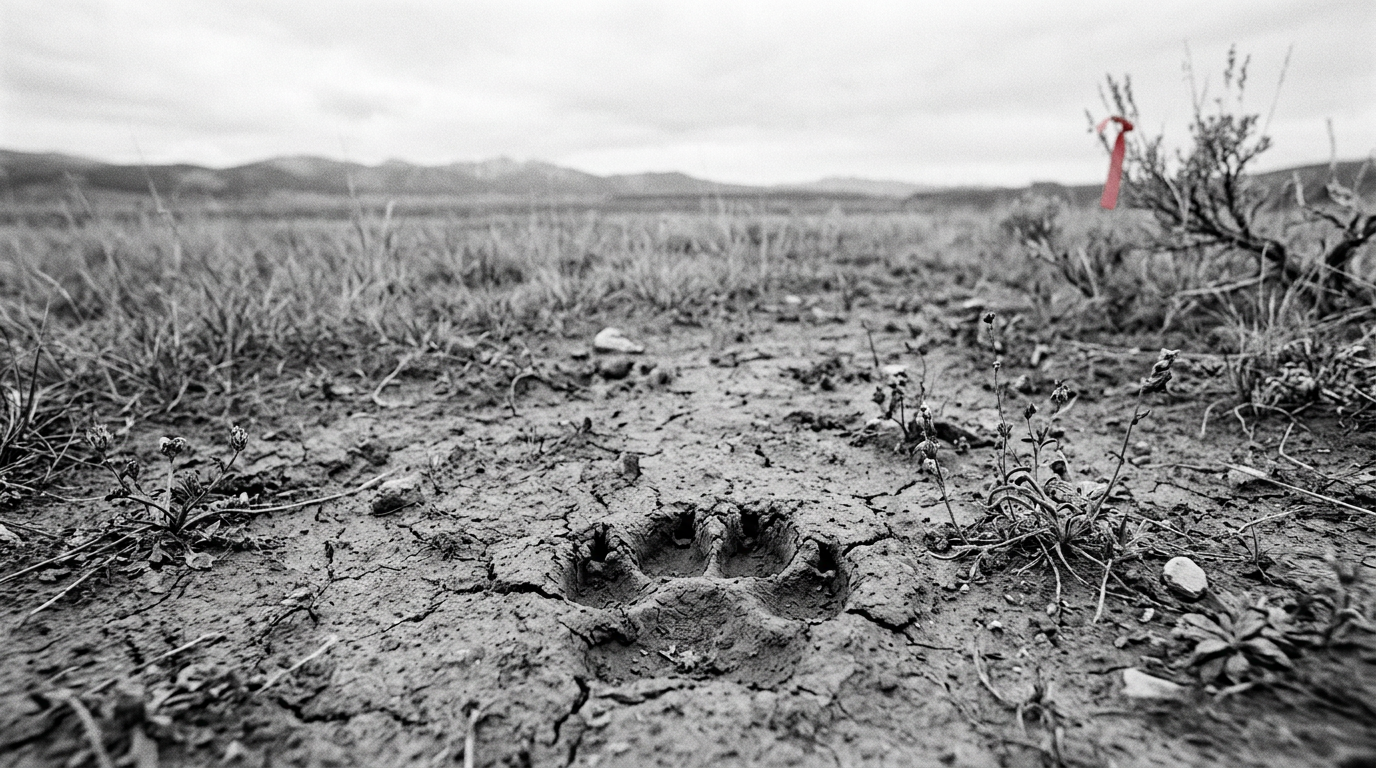
President Donald Trump has ordered a comprehensive review of the protected status of gray wolves and Mexican gray wolves under the Endangered Species Act (ESA). This directive, issued on Friday, mandates Interior Secretary Doug Burgum to complete a formal assessment within 90 days. The primary of this evaluation is to determine if current population numbers are sufficient to remove these species from the endangered list, thereby reducing federal oversight and increasing state authority over wolf management.
The administration's initiative seeks to grant individual states more power in managing wolf populations. This shift could potentially relax existing restrictions on lethal control methods, a move anticipated to benefit agricultural sectors that frequently report concerns over livestock predation by wolves. Previous efforts to delist wolves have often faced legal and scientific challenges, setting a precedent for potential opposition to this new directive.
Current Protection Status and Population Trends
Currently, gray wolves remain protected under the ESA across the majority of the contiguous 48 states. This protection was largely reaffirmed by a federal court ruling in 2022. The northern Rocky Mountain region represents a notable exception, where state authorities have already assumed responsibility for wolf population management. This existing framework highlights the complex and often contentious nature of wolf conservation.
For Mexican gray wolves, their population reached a significant milestone of 319 animals by the end of 2025. This figure meets the initial numerical threshold required to trigger a formal recovery evaluation process for this specific subspecies. This achievement is a key factor in the administration's decision to initiate the review, indicating progress towards recovery for a critically endangered population.
Anticipated Challenges and Environmental Concerns
Despite the administration's stated intention to expedite the delisting process, the proposal is widely expected to face considerable legal and scientific opposition. Past attempts to remove these species from federal protection have consistently encountered delays due to litigation from environmental organizations. These groups are already preparing to challenge any administrative actions that they believe circumvent established scientific recovery criteria.
Environmental organizations frequently concerns about the long-term genetic diversity and overall viability of wolf populations if protections are removed prematurely. They argue that maintaining federal oversight is crucial for ensuring robust and sustainable wolf populations across their historic ranges. The legal battles over wolf protections underscore a long-standing tension between conservation goals, state management rights, and agricultural interests.
Historical Context of Wolf Protections
Gray wolves were nearly eradicated from the lower 48 states by the mid-20th century due to government-sponsored extermination programs and habitat loss. They were initially listed under the Endangered Species Act in 1974. Recovery efforts, including reintroductions in Yellowstone National Park and central Idaho in the mid-1990s, have led to significant population growth. However, debates persist regarding what constitutes a 'recovered' population and the appropriate balance between federal and state management.