Trump oil profits rebuke hits Exxon, Chevron windfall claims
President Trump accused ExxonMobil and Chevron of earning too much from high fuel prices, putting pressure on oil allies before midterms.
Claire Dubois ·
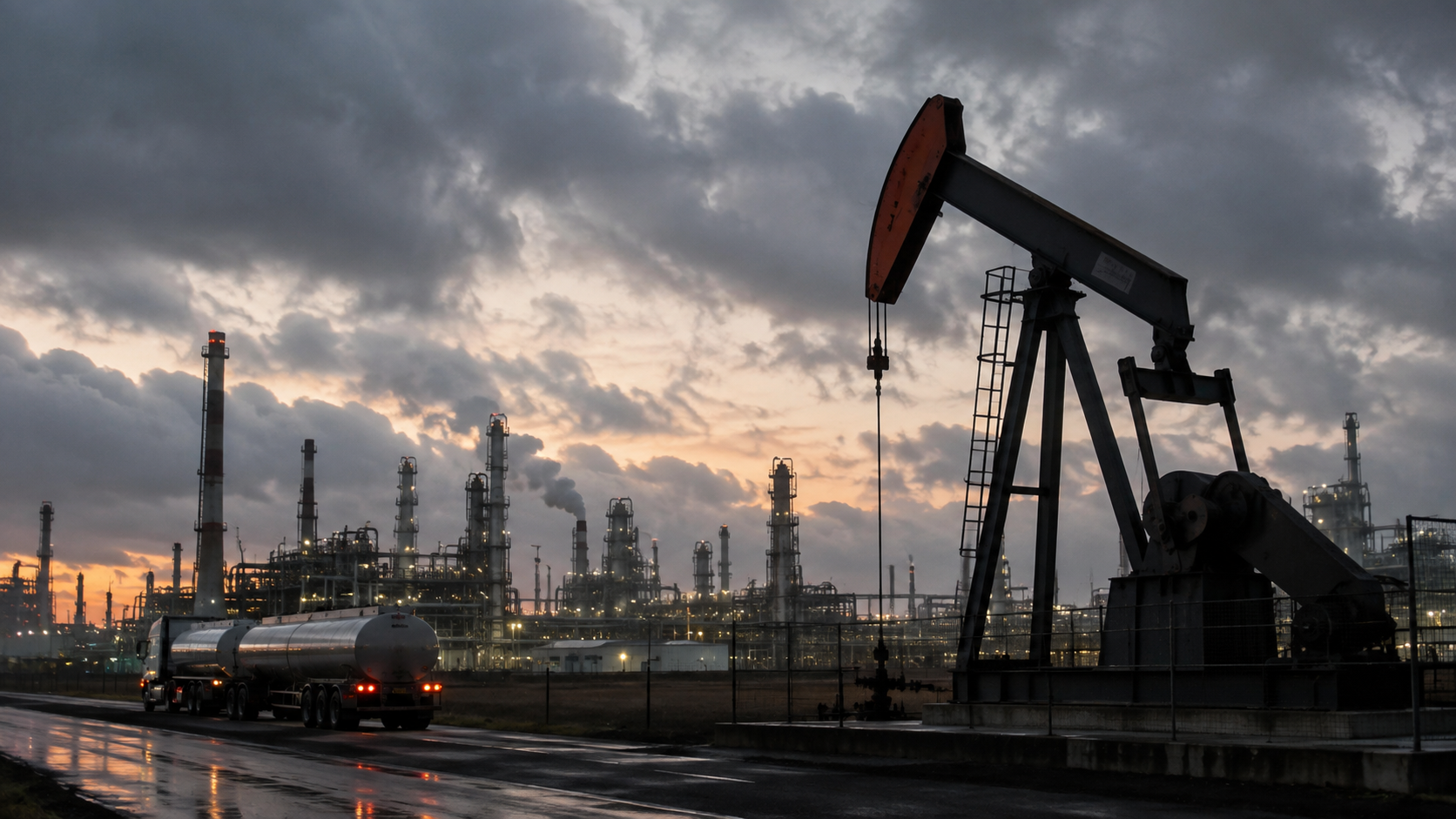
Trump oil profits criticism put ExxonMobil and Chevron under White House pressure after strong second-quarter earnings and higher gasoline prices.
President Donald Trump told reporters on Monday that the two largest U.S. oil groups should return part of their gains to consumers. His remarks came three days after the companies reported second-quarter results that benefited from elevated crude prices and stronger refining margins.
Trump said, "I don't like it," before adding, "Chevron, too much money. ExxonMobil, too much. Too much money." He also said the companies "better cut the retail price, the consumer price," tying corporate earnings directly to pump prices.
Trump pressures oil allies
The criticism marked a break in tone from a president who has made expanded U.S. oil and gas production a central policy priority. Trump has encouraged more drilling and output, but his comments showed the political limits of that alliance when retail fuel costs rise.
The White House pressure fits a broader pattern in Trump’s use of public criticism against large companies. During his first term, he pressed automakers over U.S. production, challenged defense contractors on costs and urged drugmakers to lower prices.
Since returning to office, Trump has continued to use public remarks and social media posts to influence corporate behavior without always pairing the pressure with formal policy action. In this case, the target is an industry that has largely welcomed his energy agenda.
Venezuela history shadows Chevron
Earlier on Monday, Trump criticized Chevron Chief Executive Mike Wirth after a Sunday television appearance, saying Wirth had failed to credit his administration for helping the oil sector. On Truth Social, Trump wrote that without the "genius, foresight, strength, and stability" of his administration, the industry and the country "would be DEAD!"
Trump also pointed to Chevron’s position in Venezuela, saying the company had returned "far bigger and stronger than ever before, expecting to make a fortune!" Chevron has operated in Venezuela for more than a century and stayed after Hugo Chavez nationalized oil projects in 2007, while ExxonMobil and ConocoPhillips exited.
ExxonMobil and Chevron did not immediately respond to requests for comment. Their silence left the American Petroleum Institute, the trade group for U.S. oil companies, as the clearest industry response to the president’s remarks.
A spokesperson for the group said, "Today's higher prices are driven by global supply, demand and continued uncertainty around the Strait of Hormuz and other critical shipping lanes — not by any one company." The statement framed the price surge as a market and security issue rather than evidence of company-level pricing power.
Gasoline lag shapes risk
The political exposure is clear: retail gasoline was cited at about $4.10 nationwide, up more than 30% since the U.S. and Israel attacked Iran earlier this year. Higher fuel costs land quickly with households and carry risk for Republicans as they seek to hold Congress in November’s midterm elections.
Trump said oil prices would "drop through the floor" once the Iran conflict ends. Even if crude falls, retail gasoline prices often adjust more slowly because of inventories, distribution costs, refining schedules and station-level pricing decisions.
The latest earnings reports showed how higher crude and refining margins have helped the sector since the war began in February. Valero reported its strongest quarterly profit since the 2022 energy shock after Russia’s invasion of Ukraine, while Chevron posted its highest quarterly earnings in at least six years.
If tensions around Iran and shipping lanes ease, lower crude prices would reduce global inflation pressure, narrow the earnings tailwind for ExxonMobil and Chevron, and soften refinery margins across the sector. That path would help Trump’s consumer-price argument but could weaken the cash generation that has supported oil company returns.
If supply risks persist instead, fuel prices could stay elevated even under political pressure. That would keep macro pressure on consumers, sustain stronger earnings for the oil majors and leave refiners facing scrutiny over margins as Washington pushes for cheaper gasoline without directly controlling global crude markets.