Hormuz crossings slide after US-Iran attacks
Vessel traffic through the Strait of Hormuz fell further after fresh US-Iran attacks and new Houthi threats against Saudi Arabia.
Mateo Fernandez ·
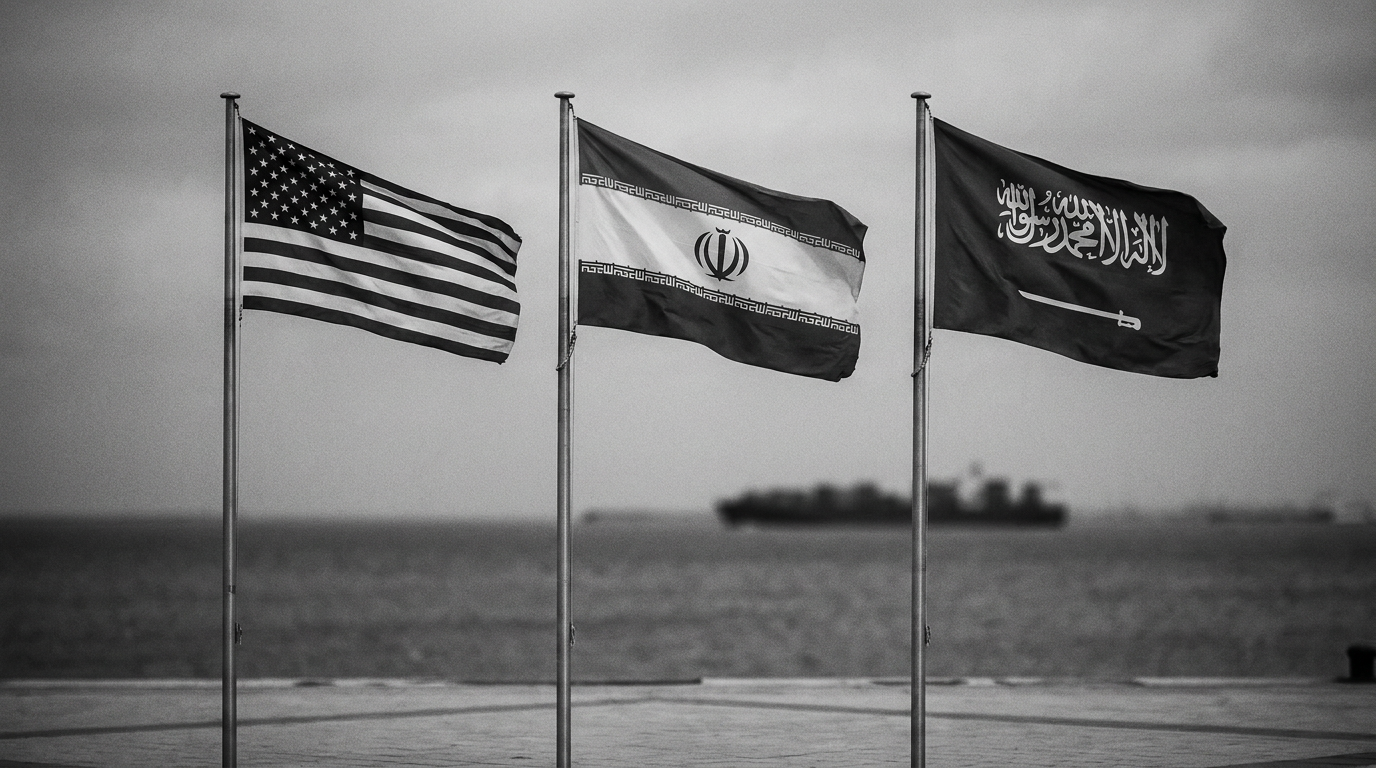
Vessel crossings through the Strait of Hormuz extended their decline this week after a fresh exchange of attacks between the United States and Iran, raising pressure on a waterway central to global energy flows. Market reaction was not immediately available.
Officials also said Yemen's Houthis announced a naval blockade on Saudi Arabia, adding another threat to regional shipping. A tanker reported being struck by an unknown projectile in the Strait of Hormuz, though the source of the strike was not identified.
Hormuz chokepoint tightens energy risk
The immediate concern for energy markets is not only the reported drop in crossings, but the possibility that shipowners, insurers and charterers begin treating the route as a higher-risk passage. If that happens, cargo scheduling can slow before any formal closure occurs, as vessels wait for clearer security guidance or reroute where possible.
For oil and gas buyers, the mechanism is straightforward: fewer transits through a critical chokepoint can tighten prompt supply expectations, lift freight and insurance costs, and push risk premiums into crude and fuel pricing. For tanker operators, the same shock can raise operating costs and complicate voyage planning.
The uncertainty is concentrated in three points: whether the US-Iran exchange stops or widens, whether the reported tanker strike is confirmed as part of a broader pattern, and whether Houthi threats translate into enforceable disruption near Saudi-linked shipping.
The next test runs through July 22, 2026: if crossings stabilize, the market impact may remain mostly a risk premium; if traffic keeps falling, energy traders will likely focus on cargo delays, insurance costs and any official security advisories for Hormuz routes.