Trump mocks Japan about Pearl Harbor in response to question about Iran war
Donald Trump referenced Japan's Pearl Harbor attack during a White House meeting, discussing military actions in Iran with PM Takaichi.
Lauren Collins ·
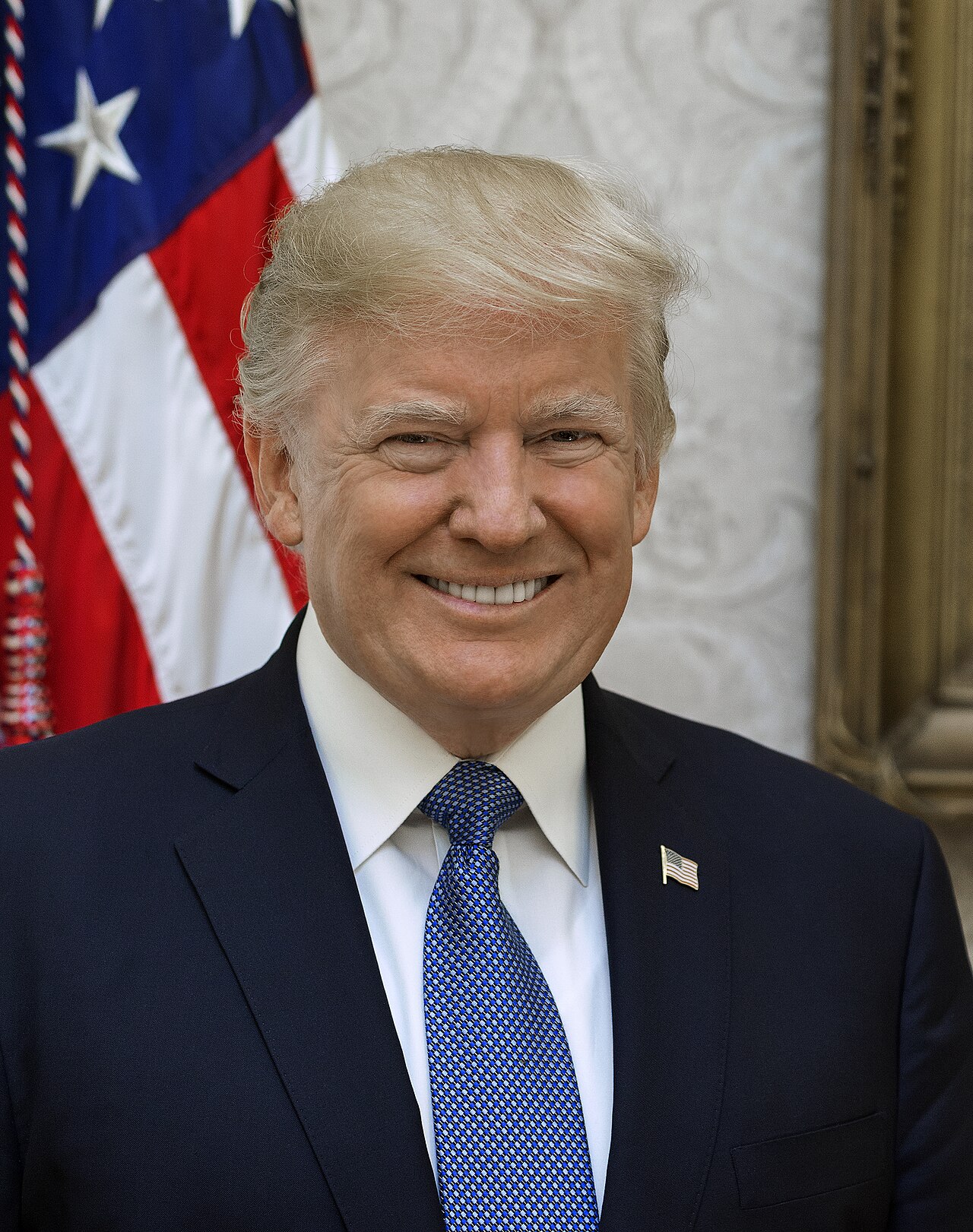
During a White House meeting on March 19, former President Donald Trump referenced Japan's 1941 attack on Pearl Harbor while addressing a question about military operations in Iran. The comment was made in response to a Japanese journalist's inquiry regarding the lack of advance notification to allies concerning U.S. military actions in the Middle East. This exchange occurred during a bilateral discussion with Japanese Prime Minister Sanae Takaichi.
Mr. Trump stated that operational surprise is a critical element in military engagements. He remarked, "One thing you don't want to signal too much, you know, when we go in, we went in very hard and we didn't tell anybody about it because we wanted surprise. Who knows better about surprise than Japan?" He then directly questioned, "Why didn't you tell me about Pearl Harbor?" Prime Minister Takaichi's reaction to the comment was visibly noted by observers.
Historical Context of Pearl Harbor
The attack on Pearl Harbor, which took place on December 7, 1941, was a surprise aerial assault by the Imperial Japanese Navy Air Service against the U.S. naval base at Pearl Harbor, Hawaii. This event resulted in the deaths of 2,390 American personnel and directly led to the United States' formal entry into World War II. The historical significance of this event remains a cornerstone of U.S.-Japan relations and global military strategy discussions.
Diplomatic Implications
The former President's remarks introduce a historical and sensitive topic into contemporary diplomatic discourse. Bilateral meetings between heads of state typically focus on current geopolitical and economic issues, aiming to strengthen alliances and coordinate policy. Introducing historical grievances, particularly those involving significant loss of life and a declaration of war, can complicate the tone and objectives of such high-level discussions.
U.S.-Japan Alliance Dynamics
The United States and Japan maintain a robust security alliance, which has been a cornerstone of stability in the Indo-Pacific region for decades. This alliance is built on shared democratic values, economic cooperation, and mutual defense commitments. Public statements that evoke past conflicts, even in a rhetorical manner, can be perceived differently by various audiences, including allied nations and domestic constituencies.
The incident highlights the delicate balance required in international diplomacy, especially when discussing military strategy and allied coordination.
Broader Geopolitical Landscape
The discussion around military actions in Iran underscores ongoing tensions in the Middle East and the complexities of international security cooperation. S. has historically engaged in military operations where the element of surprise was deemed crucial. However, the balance between achieving tactical surprise and maintaining allied trust through consultation is a persistent challenge in foreign policy.
This particular interaction serves as a notable example of how historical references can intersect with current geopolitical challenges.
Implications
Country Impact: The remarks could subtly strain diplomatic relations between the U.S. and Japan, potentially complicating future discussions on security cooperation despite the strong existing alliance. It may also influence public perception of the alliance in both nations.
Industry Impact: No direct immediate industry implications are evident from this diplomatic exchange. However, any perceived instability in international relations could indirectly affect global trade and investment sentiment.
Market Impact: Global markets are unlikely to react directly to this specific diplomatic comment. However, broader geopolitical tensions, particularly concerning military actions in the Middle East, can introduce volatility in energy markets and defense sector stocks.