Cesar Chavez Allegations Reshape Public Observances
Cesar Chavez Day observances are being reevaluated across U.S. states following New York Times allegations of sexual abuse against the labor leader.
Lauren Collins ·
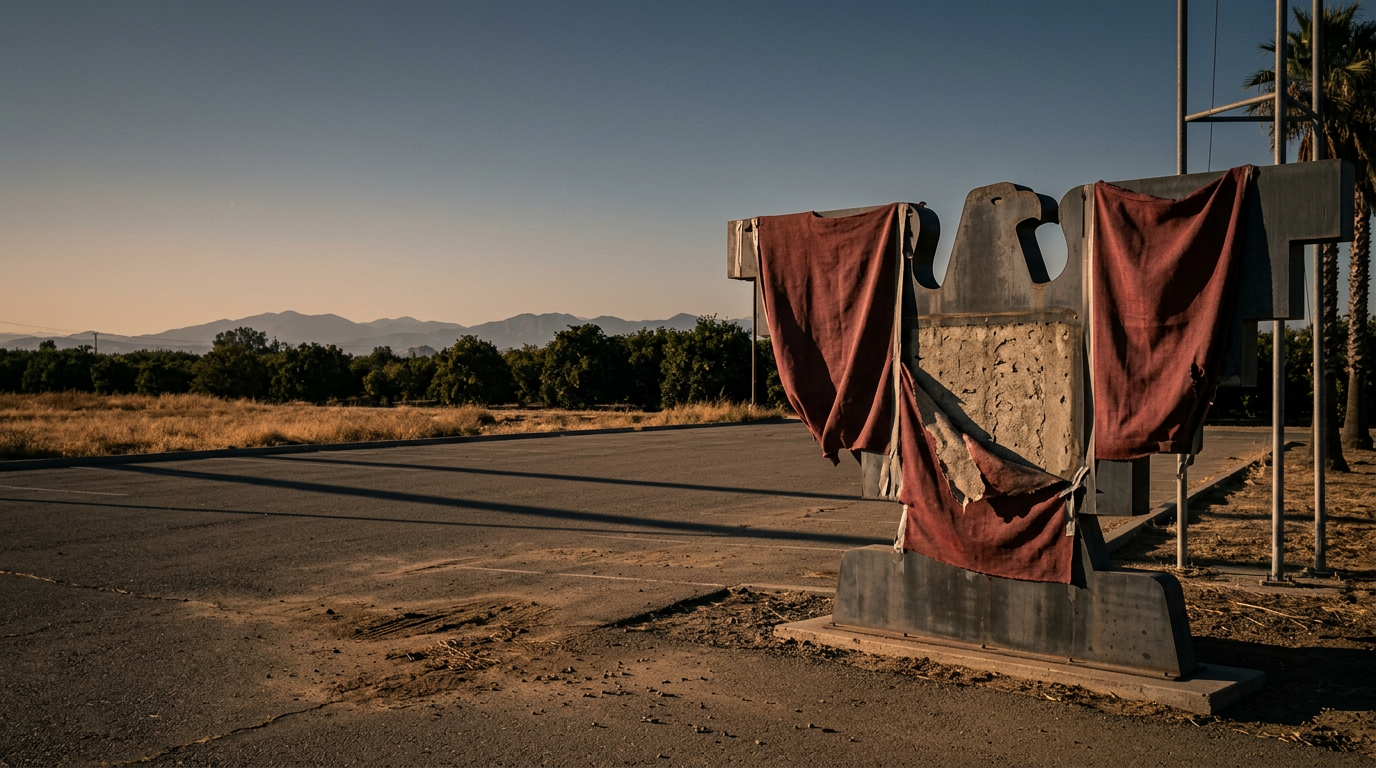
Public observances of Cesar Chavez Day are undergoing significant reevaluation across multiple U.S. states following recent allegations of sexual abuse against the late labor leader. A New York Times investigation, published on Wednesday, detailed claims that Chavez engaged in sexual misconduct, including an accusation of rape by prominent labor activist Dolores Huerta.
This report has prompted immediate reactions from political figures and community organizations. The United Farm Workers (UFW), co-founded by Chavez, announced the cancellation of its planned celebratory events, describing the allegations as "disturbing" and "indefensible."
State-Level Responses to Allegations
Several states that annually recognize Cesar Chavez Day on March 31 are now reconsidering their official observances. Arizona Governor Katie Hobbs declared that the state would cease its recognition of the day as a state holiday, citing the gravity of the accusations.
California Governor Gavin Newsom indicated a willingness to consider renaming the holiday within California. Newsom emphasized that the broader farm workers' movement transcends any single individual, suggesting a shift in focus from Chavez himself to the collective struggle.
Impact on Labor Movement Legacy
U.S. Representative Lou Correa publicly condemned the alleged abuse, advocating for accountability for all sexual predators. The allegations have reportedly caused considerable distress and a sense of betrayal among community members and within the labor movement.
States such as Utah, Texas, Colorado, Oregon, and Minnesota, which also observe Cesar Chavez Day, are expected to review their positions. The unfolding situation highlights a broader societal reckoning with historical figures and their legacies, particularly when confronted with serious ethical concerns.
Historical Context of Cesar Chavez Day
Cesar Chavez Day was established to honor the civil rights and labor activism of Cesar Chavez, who championed the rights of farm workers, primarily in California, during the mid-20th century. His work led to significant improvements in working conditions and wages for agricultural laborers, and he became a symbol of nonviolent protest and social justice.
The holiday's recognition reflects the impact of the farm workers' movement on American society and its contribution to civil rights. The current allegations introduce a complex challenge to how historical contributions are commemorated alongside personal conduct.
Future of Commemorations
The reevaluation of Cesar Chavez Day underscores a growing trend where public figures' historical achievements are weighed against newly surfaced information regarding their personal conduct. This process often leads to difficult conversations about how societies choose to honor their past.
Discussions are likely to continue regarding the appropriate way to acknowledge the farm workers' movement while addressing the serious nature of the allegations against its former leader. The focus may shift towards celebrating the movement's broader achievements and the collective efforts of its participants.
Implications
Country Impact: The allegations against Cesar Chavez are prompting a national reevaluation of how historical figures are honored, particularly in states that observe Cesar Chavez Day. This could lead to changes in public holidays and educational curricula, reflecting a broader societal shift in assessing legacies.
Industry Impact: The labor movement, particularly the United Farm Workers, faces a significant challenge to its foundational narrative. The allegations could impact fundraising, public perception, and internal cohesion as organizations grapple with the legacy of their founders.
Market Impact: While direct market impact is limited, the reevaluation of historical figures can influence corporate social responsibility initiatives and public relations strategies for companies operating in sectors historically tied to labor movements. It also reflects evolving social governance standards that may indirectly affect investment considerations.