Iran says it will show ‘zero restraint’ if energy infrastructure is targeted again
Iran warns of 'zero restraint' after an Israeli strike on its South Pars gasfield and subsequent retaliatory actions, impacting global energy markets.
Lauren Collins ·
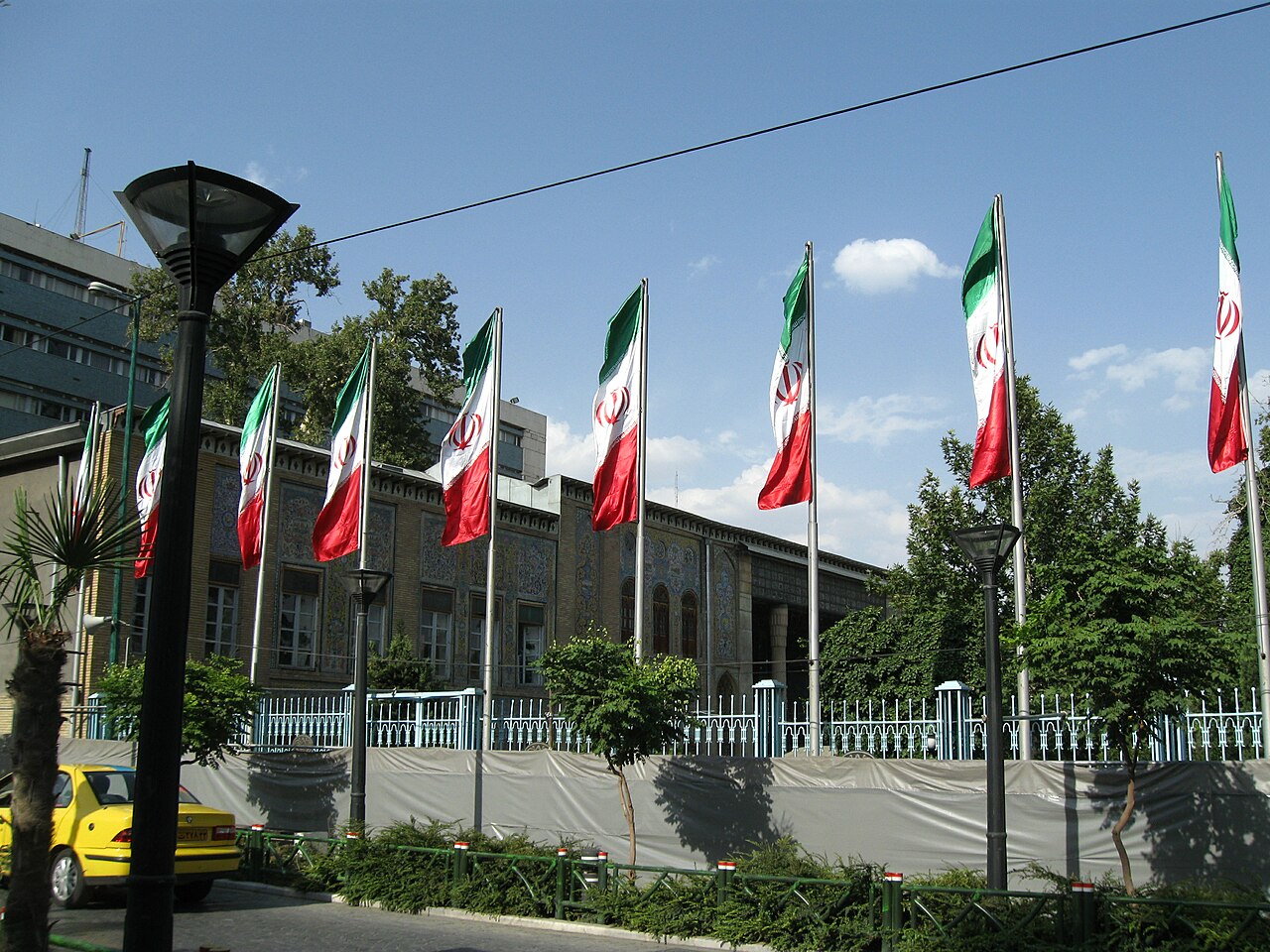
Iran has issued a stern warning, indicating it will respond without restraint if its energy infrastructure is targeted again. This declaration follows a series of escalating attacks, including an Israeli strike on Iran's South Pars gasfield and subsequent Iranian retaliatory actions against facilities in the Gulf region.
The recent hostilities have significantly impacted global energy markets and supply chains. Qatar, a major liquefied natural gas (LNG) exporter, reported a substantial reduction in its export capacity, with potential long-term consequences for international energy supplies.
Escalation of Regional Tensions
Iranian Foreign Minister Abbas Araghchi conveyed the warning on Thursday through social media channels. He stated that Iran's retaliatory strikes, which included targets like Qatar's Ras Laffan gas complex and other Gulf facilities, utilized only a fraction of its total military capabilities.
The initial catalyst for this escalation was an Israeli attack on the South Pars gasfield, a critical energy asset shared by Iran and Qatar. In response, Israel also confirmed damage to its Bazan Group refinery in Haifa, attributing it to an Iranian strike.
Economic Repercussions and Market Volatility
These geopolitical developments immediately triggered significant volatility across global financial markets. Brent crude oil prices initially surged by 10% to $119 per barrel before stabilizing at $110, marking a 3.3% increase for the period.
European and UK natural gas prices experienced even more dramatic increases, rising by as much as 24%. Concurrently, global stock markets registered sharp declines, with the UK's FTSE 100 index falling by 2.35%.
Impact on Qatar's LNG Production
QatarEnergy's CEO, Saad Sherida Al-Kaabi, provided an assessment of the damage, estimating approximately $20 billion in losses to its facilities. This damage is projected to result in a loss of 12.8 million tons per year of gas capacity, with recovery expected to take between three and five years.
This reduction in Qatari LNG output is anticipated to have a notable impact on European energy supplies, given Qatar's role as a key provider to the continent. The incident underscores the fragility of global energy infrastructure in the face of regional conflicts and the potential for widespread economic disruption.
Outlook on Energy Security
The ongoing tensions highlight the critical importance of energy security and the interconnectedness of global supply chains. Further attacks on energy infrastructure could lead to sustained price increases and supply disruptions, affecting industries and consumers worldwide. International efforts to de-escalate the situation are crucial to mitigating these risks and stabilizing energy markets.
Implications
Country Impact: The escalation of hostilities between Iran and Israel, with impacts on Qatar, heightens regional instability. This could lead to further retaliatory actions, potentially drawing in other Gulf states and impacting their economic and political stability.
Industry Impact: The energy sector faces significant risks, particularly for oil and gas production and transportation. Damage to key infrastructure could lead to prolonged supply disruptions, increased operational costs, and higher insurance premiums for energy companies operating in the region.
Market Impact: Global energy markets are likely to experience continued volatility, with potential for sustained higher prices for crude oil and natural gas. Stock markets may react negatively to increased geopolitical risk, leading to investor uncertainty and capital outflows from riskier assets.