Saudi Arabia Warns Iran Over Regional Attacks
Saudi Arabia warned Iran of potential military action after attacks on Gulf energy facilities, including Qatar's Ras Laffan LNG plant.
Lauren Collins ·
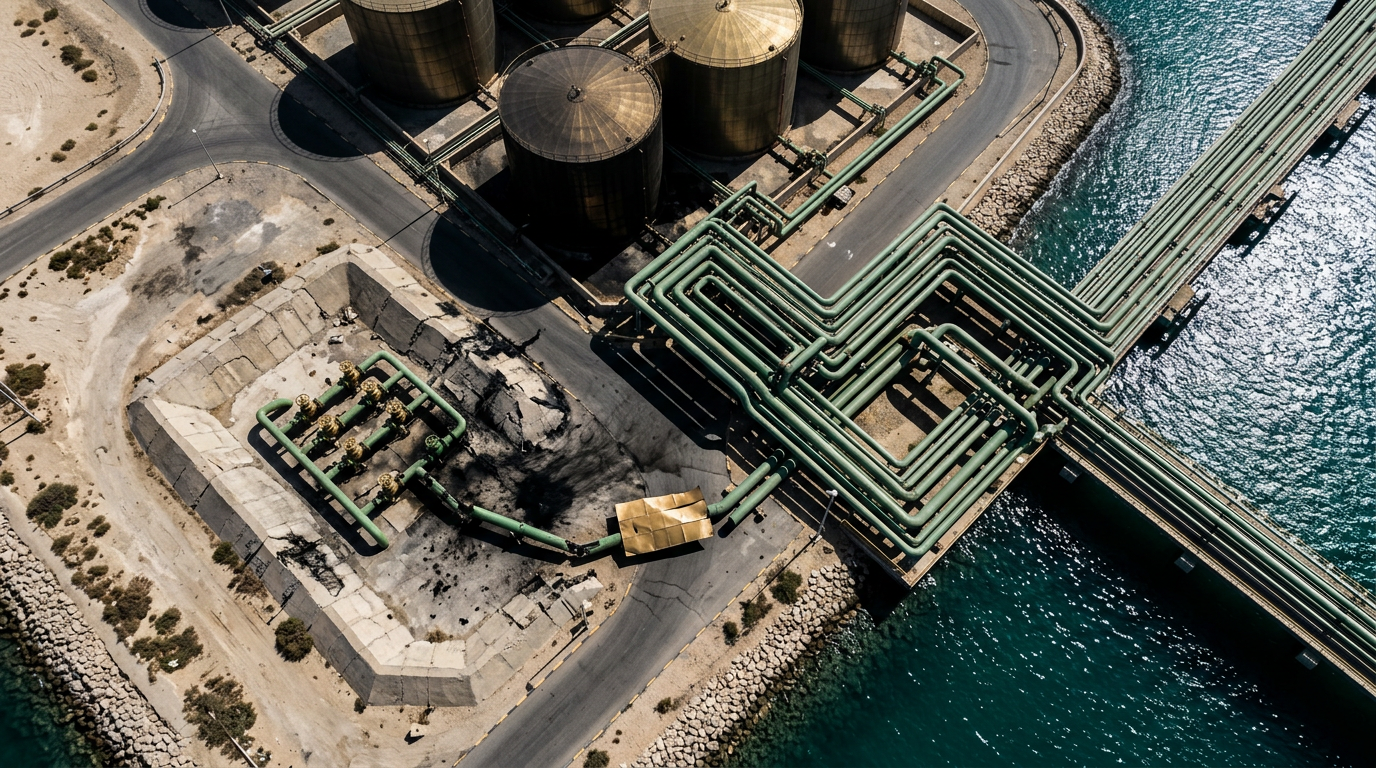
Saudi Arabia has issued a stern warning to Iran, indicating that Gulf nations retain the option of military intervention following recent assaults on critical energy infrastructure. Prince Faisal bin Farhan Al Saud, the Saudi Foreign Minister, conveyed this message on March 19, 2026, from Riyadh, stressing that the patience of Gulf Cooperation Council (GCC) members is finite. The statement urged Tehran to reassess its regional approach.
These developments follow a series of attacks on March 18, 2026, targeting significant energy facilities in the Gulf. Among the sites hit were Qatar's Ras Laffan gas facility, the world's largest liquefied natural gas (LNG) production complex, and the United Arab Emirates' Habshan gas facility. Qatar's Ministry of Foreign Affairs condemned the strike on Ras Laffan, which accounts for approximately 20% of global LNG output.
Iranian state media characterized these actions as a response to an Israeli strike on Iran's South Pars gasfield. Concurrently, Saudi Arabia's Ministry of Defence reported intercepting four Iranian ballistic missiles aimed at Riyadh and two others targeting its eastern provinces. The UAE's Defence Ministry disclosed that it countered 13 ballistic missiles and 27 drones, resulting in a temporary halt of operations at the Habshan gas facility due to debris.
Prince Faisal emphasized that the precision of these attacks suggests deliberate planning by Iran. He further noted that restoring trust with Iran would be a protracted endeavor, even after the immediate conflict subsides. This incident escalates regional tensions, highlighting the fragility of security in the Middle East and the potential for broader economic disruption.
The repeated targeting of energy infrastructure underscores the strategic importance of these assets to global markets and the potential for significant supply chain interruptions. The Ras Laffan facility, in particular, plays a crucial role in international energy security, making any disruption a matter of global concern. The coordinated nature of the missile and drone attacks indicates a sophisticated operational capability.
Historically, the Gulf region has been a flashpoint for geopolitical rivalries, with energy resources often at the center of disputes. The current escalation adds another layer of complexity to an already volatile environment, impacting global oil and gas prices and potentially influencing international diplomatic efforts to de-escalate tensions. The international community is closely monitoring the situation for further developments and potential ramifications for global trade and stability.
Implications
Country Impact: The incident heightens security concerns for Gulf nations, potentially leading to increased defense spending and closer military cooperation among GCC members. It also complicates diplomatic efforts to de-escalate regional tensions with Iran.
Industry Impact: The energy sector faces heightened risks of supply disruptions, particularly for natural gas and oil. This could lead to increased insurance premiums for shipping and infrastructure, and potentially accelerate diversification efforts away from vulnerable regions.
Market Impact: Global energy markets could experience price volatility for oil and natural gas. Investors may shift towards safer assets, and regional stock markets could see declines due to increased geopolitical risk premiums.