Trump makes Pearl Harbor remark in meeting with Japan's PM
Former U.S. President Donald Trump referenced the 1941 Pearl Harbor attack to Japanese PM Sanae Takaichi on Feb 28, causing discomfort.
Lauren Collins ·
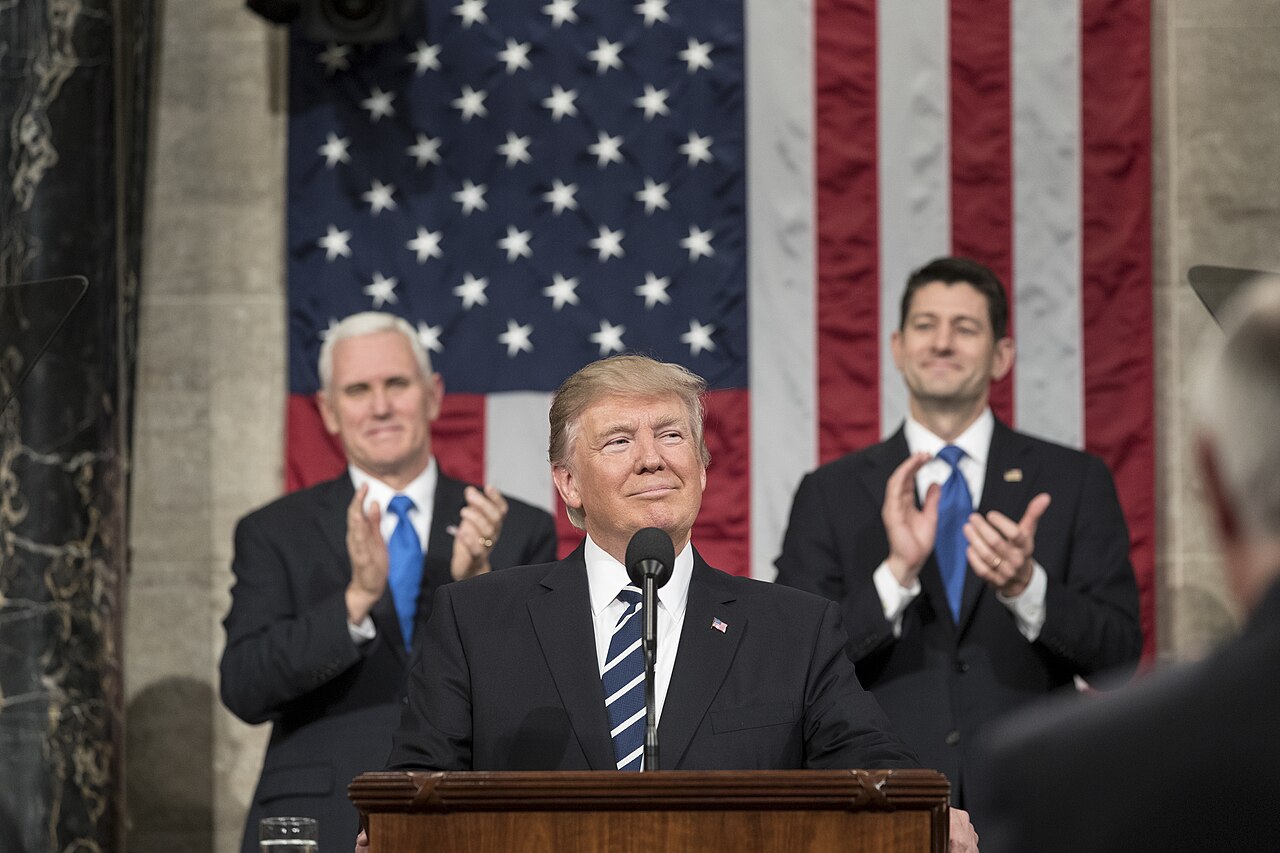
Former U.S. President Donald Trump invoked the 1941 Pearl Harbor attack during a meeting with Japanese Prime Minister Sanae Takaichi on February 28. The comment was made in response to a question from a Japanese journalist regarding the U.S. not forewarning allies about a recent strike against Iran.
During the Oval Office discussion, Mr. Trump reportedly asked, "Who knows better about surprise than Japan? Why didn't you tell me about Pearl Harbor?" This remark reportedly caused visible discomfort for Prime Minister Takaichi, who was visiting Washington D.C. for diplomatic engagements.
Context of the Meeting
Japan's Regional Security Role
Prime Minister Takaichi later confirmed that she briefed Mr. Trump on the scope of support Japan could offer, emphasizing adherence to its existing legal frameworks. The Strait of Hormuz is a vital chokepoint for global oil shipments, making its security a significant international interest.
Historical Background and Reconciliation
Despite this fraught history, both the United States and Japan have dedicated decades to reconciliation and fostering a strong alliance. This partnership has been underscored by symbolic gestures, such as visits by former Japanese Prime Minister Shinzo Abe to Pearl Harbor and former U.S. President Barack Obama to Hiroshima, highlighting a commitment to mutual understanding and cooperation.
Diplomatic Implications
Future diplomatic engagements will likely continue to navigate complex historical narratives while focusing on contemporary geopolitical challenges. The incident highlights the delicate balance required in international diplomacy, particularly when addressing sensitive historical events within current strategic discussions.
Implications
Country Impact: The incident could subtly influence the perception of the U.S.-Japan alliance, potentially requiring diplomatic efforts to reaffirm mutual respect and shared strategic goals. It underscores the sensitivity of historical events in contemporary foreign policy discussions.
Industry Impact: No direct industry implications are immediately apparent from this specific diplomatic exchange. However, broader discussions on Strait of Hormuz security could indirectly affect global energy markets and shipping industries.
Market Impact: Global financial markets are unlikely to be directly impacted by this specific diplomatic remark. However, any perceived strain in major alliances could introduce minor geopolitical risk premiums in the long term, particularly for defense and trade sectors.