Senate Committee to Review DHS Nominee Mullin
The Senate Homeland Security Committee will review Senator Markwayne Mullin's DHS nomination on March 5, 2026, amid a partial department shutdown.
Lauren Collins ·
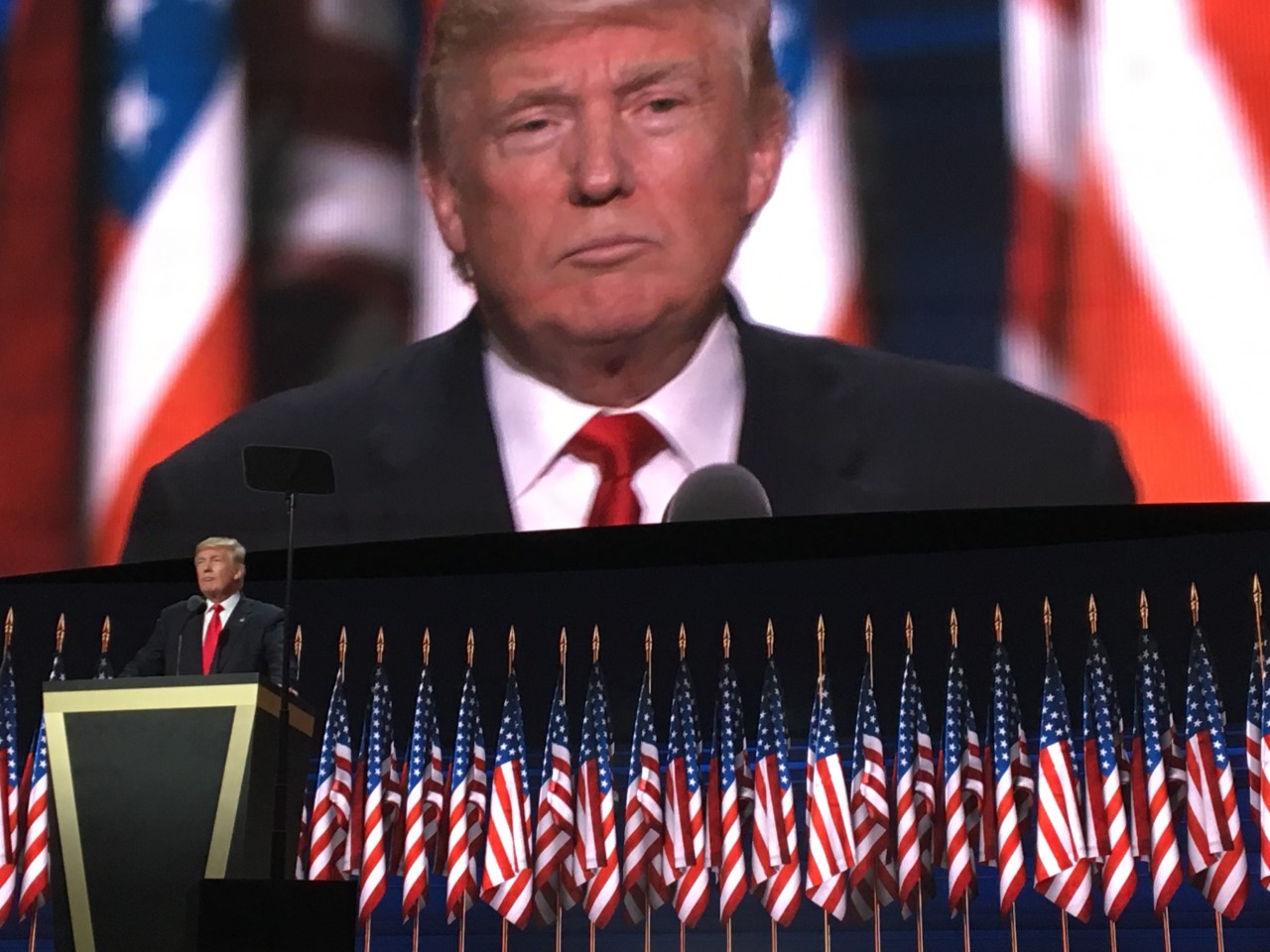
The U.S. Senate Homeland Security and Governmental Affairs Committee is set to evaluate Senator Markwayne Mullin's nomination for Secretary of Homeland Security. This review is scheduled for Wednesday, March 5, 2026, occurring while the Department of Homeland Security (DHS) faces a partial shutdown.
The shutdown was initiated by Democratic lawmakers, who are demanding revised guidelines for immigration enforcement. President Donald Trump put forward Senator Mullin, a Republican from Oklahoma, after the previous Secretary, Kristi Noem, was removed from her position.
Background to the Nomination
Noem's departure followed public criticism concerning the administration's stringent mass deportation strategies. These policies had drawn scrutiny, particularly after incidents in Minneapolis where immigration agents were involved in the deaths of two U.S. citizens.
The current DHS funding impasse in Congress is a result of Democrats withholding approval for departmental funds. Their condition for releasing these funds is an agreement from the Trump administration and its Republican allies to implement specific reforms. These reforms include prohibiting immigration officers from wearing masks, banning arbitrary stops based on suspected undocumented status, and establishing a transparent use-of-force policy.
Congressional Dynamics and Expectations
Given the Republican majority in the Senate, Senator Mullin's confirmation is widely anticipated to proceed quickly. Republican leadership has indicated a desire to accelerate his appointment. While Democrats have not voiced significant opposition to Mullin specifically, they have affirmed that their demands for immigration policy changes remain steadfast, regardless of who leads the DHS.
The committee is expected to vote on Mullin's nomination on Thursday, March 6, 2026. Following this, the nomination would advance to the full Senate for a conclusive vote. The ongoing partial shutdown has led to significant operational disruptions across various DHS agencies.
Operational Impacts of the Shutdown
Employees within critical agencies such as the Coast Guard, the Transportation Security Administration (TSA), and the Federal Emergency Management Agency (FEMA) have experienced furloughs or are working without pay. This situation has resulted in tangible impacts, including longer wait times at TSA checkpoints in airports, affecting travel and public services.
The broader implications of a prolonged shutdown could extend to national security operations and disaster response capabilities, highlighting the urgency of resolving the legislative deadlock.
Historically, government shutdowns over policy disputes have created significant economic and social costs, impacting federal workers and the public alike. The current situation underscores the deep divisions within Congress regarding immigration enforcement and the allocation of federal resources, setting the stage for a contentious confirmation process and ongoing legislative battles.
Implications
Country Impact: The ongoing DHS shutdown impacts federal employees through furloughs and unpaid work, potentially compromising national security and emergency response capabilities. The legislative impasse reflects deep political divisions over immigration policy.
Industry Impact: A prolonged DHS shutdown could disrupt industries reliant on federal services, such as air travel due to TSA operational issues, and maritime activities affected by Coast Guard limitations. FEMA's reduced capacity could hinder disaster recovery efforts.
Market Impact: Uncertainty surrounding federal government operations and potential disruptions to critical services could introduce volatility into financial markets. Investor confidence may be affected by the perceived instability of government functions.