Cuba Blackout: Grid Collapse Amid US Sanctions
Cuba experienced a national blackout after its power grid collapsed, driven by a U.S. oil blockade and ongoing energy crisis.
Lauren Collins ·
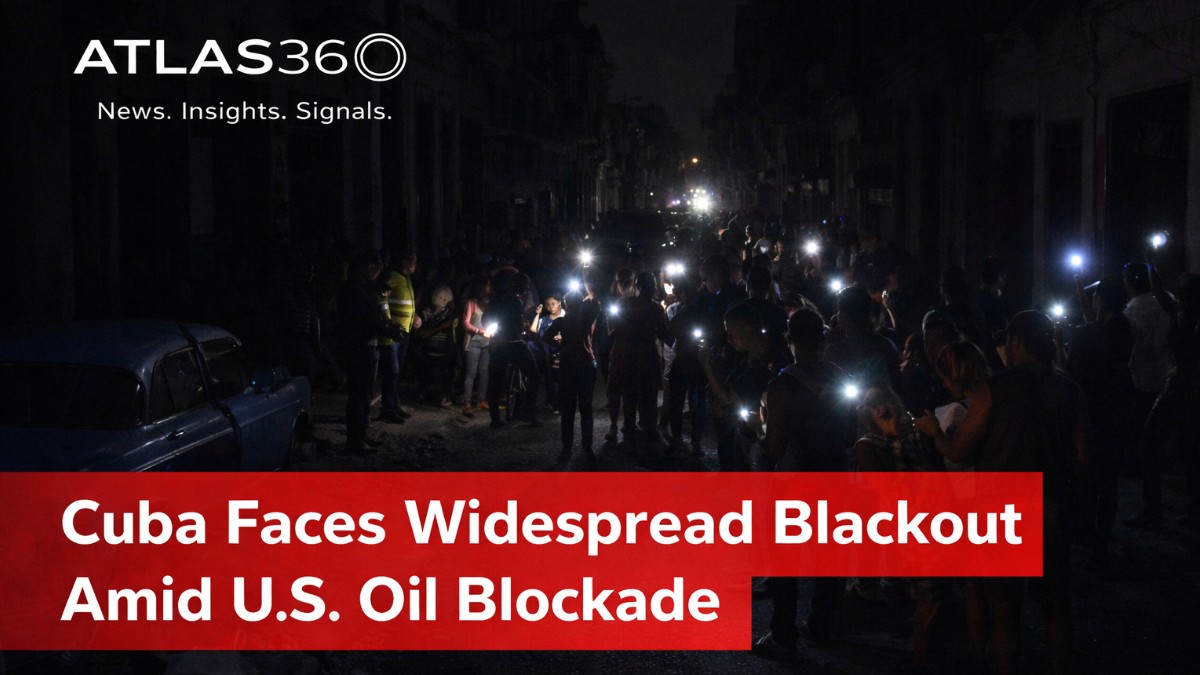
Cuba experienced a widespread national power grid collapse on Monday, March 17, 2026, leading to a 29-hour blackout across most of the island. The state-owned Unión Eléctrica initiated efforts to restore power in Havana on Tuesday, but officials cautioned that full system stabilization would be a gradual process, leaving millions without essential services.
The outage is directly linked to an escalating energy crisis, exacerbated by a U.S. oil blockade implemented in late January 2026. This measure has severely restricted crude oil imports for nearly three months, critically impacting the thermoelectric plants that generate the majority of Cuba's electricity.
Energy Crisis Deepens
Cuba's power generation capacity relies heavily on these plants, which are now starved of imported crude. The nation has been forced to depend on its limited domestic crude production, which is often of lower quality, and an aging fleet of power stations prone to operational failures.
This recent grid failure represents the most severe manifestation of an energy shortage that has intensified since 2019. At that time, the Trump administration imposed sanctions that constrained Cuba's access to foreign currency and complicated its dealings with international fuel suppliers and shipping companies.
Infrastructure Challenges and Sanctions
These U.S. sanctions compounded a long-term decline in subsidized oil shipments from Venezuela, a key ally whose own oil production has significantly decreased. Analysts point to decades of underinvestment in Cuba's electrical infrastructure and persistent difficulties in acquiring spare parts, a problem exacerbated by the six-decade-old U.S. embargo.
The cumulative effect is a power system characterized by frequent breakdowns, necessitating regular planned blackouts to manage demand and avert total grid collapses. The current situation highlights the fragility of the national energy network.
Diplomatic Engagements and Economic Reforms
The widespread blackout occurred amidst ongoing negotiations between U.S. and Cuban officials aimed at resolving diplomatic impasses. The U.S. administration has indicated that any relaxation of the blockade is contingent upon demonstrable economic reforms within Cuba, particularly those benefiting private citizens and the Cuban-American community.
In a notable development, Cuban Deputy Prime Minister Oscar Perez-Oliva Fraga announced on Monday that the government is finalizing a policy to allow Cuban nationals residing abroad to directly invest in and own private businesses on the island. This policy shift represents a significant ideological departure for the communist state, which has historically restricted private enterprise and foreign ownership.
This proposed reform could potentially inject much-needed capital into the Cuban economy and address a key condition set by the U.S. for continued dialogue. However, for millions of Cubans enduring the heat without power, the pace of diplomatic progress remains slow, while the humanitarian and economic costs of the energy crisis continue to escalate.
Implications
Country Impact: Cuba faces severe humanitarian challenges due to the prolonged power outage, impacting access to clean water and communications. The energy crisis underscores the vulnerability of its infrastructure and the broader economic strain on the nation.
Industry Impact: The energy sector in Cuba is under immense pressure, with thermoelectric plants unable to operate at full capacity due to fuel shortages. This situation highlights the critical need for investment and diversification in Cuba's power generation capabilities.
Market Impact: The ongoing crisis and potential policy shifts regarding foreign investment could influence investor sentiment towards Cuba. While the proposed reform might attract capital, the instability caused by sanctions and infrastructure failures presents significant risks.