Iran Missile Strikes Target Israel, Two Dead
Iran launched missile attacks on central Israel on March 18-19, 2026, killing two, in retaliation for alleged assassinations.
Lauren Collins ·
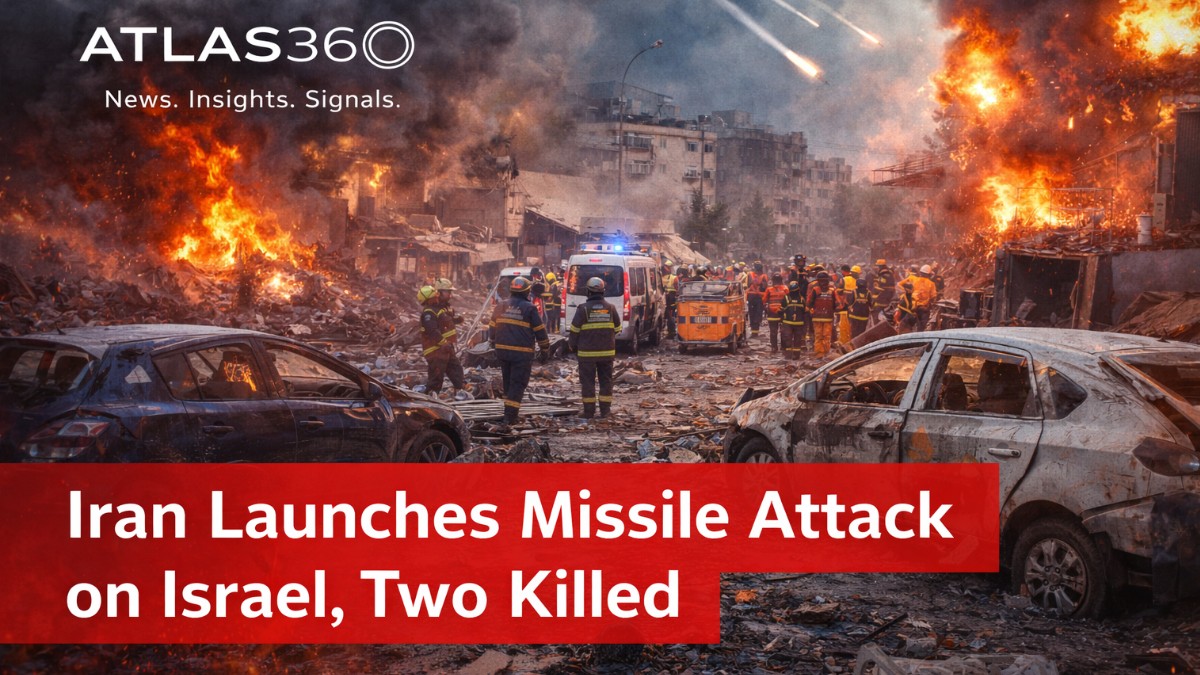
Iran initiated a series of missile attacks against central Israel on March 18 and 19, 2026, leading to two fatalities and substantial property damage. The Islamic Revolutionary Guard Corps (IRGC) claimed responsibility, stating the strikes were in response to Israel's alleged assassination of Iranian security chief Ali Larijani and Basij militia commander Gholamreza Soleimani.
The initial assault, occurring overnight on Tuesday, involved multiple-warhead missiles. This barrage resulted in the deaths of two individuals in Ramat Gan, a city adjacent to Tel Aviv. Shrapnel from the explosions caused injuries and significant structural damage, including to a Tel Aviv train station. A second wave of missile strikes followed on Wednesday morning.
Escalation and Retaliation Claims
Iranian authorities explicitly linked these military actions to recent events. The IRGC's declaration highlighted the alleged Israeli targeting of senior Iranian officials as the direct provocation for the missile launches. This marks a significant escalation in the long-standing tensions between the two nations, moving beyond proxy conflicts to direct military engagement.
Concurrent Developments and Broader Context
In a related development, Iranian state media reported the execution of an individual accused of espionage for Israel's Mossad intelligence agency. This action underscores the deep-seated animosity and intelligence warfare characterizing the relationship between Iran and Israel. The timing of the execution, coinciding with the missile attacks, suggests a coordinated response from Tehran.
Separately, the International Atomic Energy Agency (IAEA) confirmed that a projectile impacted the grounds of the Bushehr Nuclear Power Plant on Tuesday. While the IAEA reported no damage to the facility itself and no casualties, the incident raises concerns about the potential for broader regional instability and the safety of critical infrastructure during heightened conflict. The Bushehr plant is Iran's only operational nuclear power facility.
Regional Implications and International Response
The direct missile exchange represents a critical shift in the regional security landscape. Historically, confrontations between Iran and Israel have largely been indirect, involving proxy forces or cyber warfare. This direct engagement carries significant implications for regional stability, potentially drawing in other international actors and impacting global energy markets. The international community is closely monitoring the situation for further escalation.
Historical Precedent and Future Outlook
This event follows a pattern of escalating rhetoric and covert operations between the two countries. Previous incidents have included alleged sabotage of Iranian nuclear facilities and assassinations of Iranian scientists, often attributed to Israel. The current direct military response from Iran signals a potential new phase in this protracted conflict, with increased risks of open warfare.
The immediate future will likely involve intense diplomatic efforts to de-escalate tensions and prevent a wider regional conflagration.
Implications
Country Impact: The direct missile attacks significantly heighten security risks for both Iran and Israel, potentially leading to further retaliatory actions and increased military readiness. Civilian populations face elevated threats from direct conflict.
Industry Impact: The escalation could disrupt global shipping lanes, particularly in the Persian Gulf, impacting oil and gas transit and potentially leading to increased energy prices. Defense and cybersecurity industries may see increased demand.
Market Impact: Global financial markets are likely to react with increased volatility, particularly in oil futures and defense sector stocks. Investor confidence in regional stability could decline, affecting foreign direct investment.