Trump Lifts UK Whisky Tariffs After Royal Appeal
US removes UK whisky tariffs after King Charles III's appeal, averting trade escalation & aiding the spirits industry.
Atlas Newsdesk ·
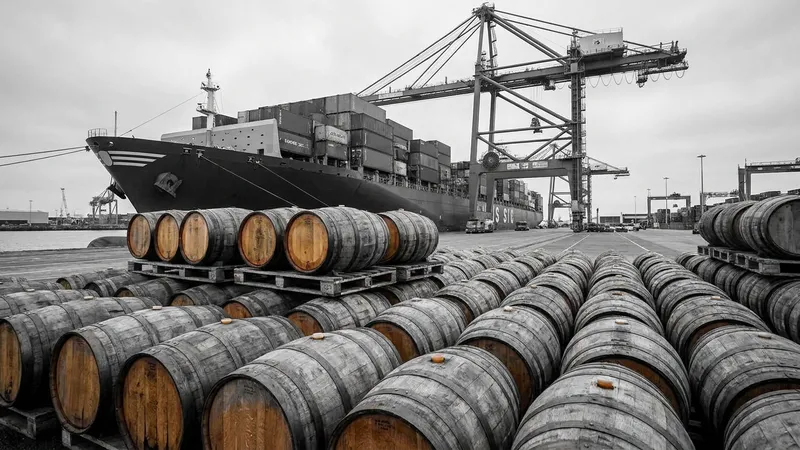
A Royal Intervention Averts Trade Hike
The United States will eliminate its duties on UK whisky tariffs, a move President Trump personally attributed to a direct appeal from King Charles III. This decision averts a significant trade escalation that was scheduled for June.
In a social media post, President Trump stated that the King had successfully persuaded him to take an action others could not. “The King and Queen got me to do something that nobody else was able to do, without hardly even asking!” the post read, highlighting an unusual moment of personal diplomacy influencing trade policy.
The move provides immediate certainty to the transatlantic spirits trade. The levies on Scotch whisky, which currently sit at 10%, were slated to increase to 25% upon the expiration of a previous bilateral compromise.
Economic Relief for the Spirits Industry
The U.S. Trade Representative’s office formalized the policy change soon after. USTR Jamieson Greer confirmed in a statement that the United States would grant “preferential duty access for whiskey produced in the United Kingdom.”
This development was met with widespread approval from industry leaders and government officials. UK Business and Trade Secretary Peter Kyle celebrated the decision as “great news for our scotch whisky industry,” which represents a crucial export market.
The Scotch whisky sector is a vital component of the UK economy. It supports thousands of jobs and generates nearly £1 billion, or approximately $1.3 billion, in export revenue from the United States alone, making it one of the most valuable single markets.
Distillers and importers on both sides of the Atlantic have faced years of uncertainty due to shifting tariff policies. This removal of duties is seen as a critical step toward stabilizing the market and restoring predictable trade flows.
Broader Trade Implications
Beyond whisky, the agreement signals a potential thawing in other areas of trade friction. The USTR statement noted the deal would also provide “preferential treatment for other American and British goods,” though specific details on these products were not immediately released.
This targeted de-escalation could serve as a foundation for restarting broader discussions on a comprehensive US-UK free trade agreement. Such a pact has been a key objective for the UK government in the post-Brexit era but has faced numerous delays.