

Trump Knew Hormuz Risk Before Iran Conflict
Former U.S. President Trump was warned about Iran's potential to close the Strait of Hormuz before military action, a critical global shipping lane.
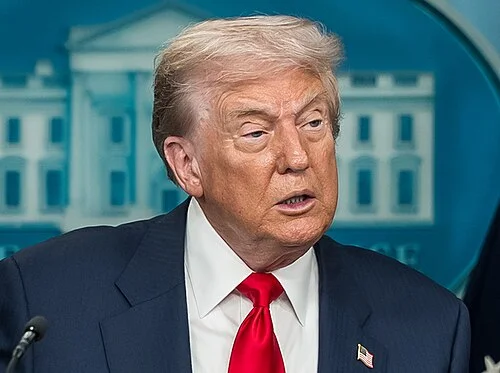
S. President Donald Trump was reportedly informed of the potential for Iran to disrupt shipping in the Strait of Hormuz prior to initiating military action against the country. General Dan Caine, who served as Chairman of the Joint Chiefs of Staff at the time, conveyed these intelligence assessments to Trump on multiple occasions. S.
intelligence community's view that Iran would likely employ tactics such as mines, drones, and missiles to impede maritime traffic through the vital waterway if attacked.
Despite these warnings, President Trump proceeded with military operations. He reportedly acknowledged the risks associated with a potential closure of the Strait but expressed confidence in either Iran's eventual capitulation or the U.S. military's capacity to manage such a scenario. The Strait of Hormuz is globally recognized as the most crucial chokepoint for oil shipments, making its potential closure a matter of significant international concern.
Strategic Importance of Hormuz
The Strait of Hormuz, a narrow passage between the Persian Gulf and the Gulf of Oman, is a critical artery for global energy markets. Approximately one-fifth of the world's total oil consumption, along with a substantial portion of liquefied natural gas (LNG), transits through this strait daily. Any disruption to this flow can have immediate and far-reaching consequences for global energy prices and supply chains, impacting economies worldwide.
Historically, the U.S. and its allies have maintained a strong naval presence in the region to ensure freedom of navigation. Iran, however, views the Strait as a strategic asset and has repeatedly threatened to close it in response to perceived threats or sanctions. This long-standing tension underscores the geopolitical sensitivity surrounding the waterway.
Escalation and Regional Dynamics
The current situation, two weeks into the conflict, indicates that Iran has not yielded to U.S. pressure. Instead, the potential for disrupting the Strait of Hormuz has emerged as a significant point of leverage for Tehran. This development complicates the military and diplomatic landscape, as any Iranian action in the Strait would likely trigger a robust international response.
The broader implications extend to regional stability, involving key players such as Saudi Arabia, the United Arab Emirates, and other Gulf states that rely heavily on the Strait for their oil exports. The ongoing tensions highlight the delicate balance of power and the potential for miscalculation in one of the world's most volatile regions. International efforts to de-escalate the situation and ensure the continued flow of global commerce remain paramount.
Implications
Country Impact: The U.S. faces increased strategic challenges in the Middle East, potentially requiring greater military deployment and diplomatic efforts to secure maritime routes. Iran's leverage over the Strait of Hormuz could complicate future negotiations and sanctions regimes.
Industry Impact: The global energy sector, particularly oil and gas, faces heightened volatility and supply chain risks. Shipping and insurance industries operating in the Persian Gulf region are likely to experience increased costs and operational disruptions.
Market Impact: Global oil prices are susceptible to significant upward pressure due to supply uncertainty. Equity markets may react negatively to increased geopolitical risk, while safe-haven assets like gold and U.S. Treasuries could see increased demand.
More stories
- Kazakhstan plans gold sales to reduce reserve dependence
- Trump says Putin wants Ukraine deal more than Zelensky
- Saudi authorities extend Riyadh airport closure to Oct 17
- Trump diesel carve-out tests Congress as Russia talks stall over Ukraine
- Houthis Claim Ballistic Missile Strike on Riyadh Airport
- Pope Leo plans lung surgery, pauses events to October 20
- Trump Orders California Offshore Drilling Restart
- GOP Divisions Emerge Over US-Iran Military Actions
- Middle East Tensions Rise After US Aircraft Crash
- Anthropic Sues Pentagon Over AI Contract Terms
Latest news
- Okocha Backs Mbappe for Ballon d'Or, Names UCL Favorites
- Osimhen, Lookman Face Tough UCL Tests Against Barcelona, United
- Russian diesel relief opens 1.8 million-ton supply path
- Grammy Awards 2027 First-Round Voting Opens October 12
- Yu Yangyi Wins Shenzhen Masters After Tiebreak Victory
- Katey Sagal, 72, Marks 40 Years of Sobriety
- Tom Cruise's 'Digger' Faces $245 Million Box Office Loss
- Barcelona Prepares for Osimhen Threat in Champions League Match