Middle East Tensions Rise After US Aircraft Crash
Middle East tensions escalate after a US aircraft crash, Israeli strikes in Iran, and Iranian actions against Gulf states, raising oil price concerns.
Lauren Collins ·
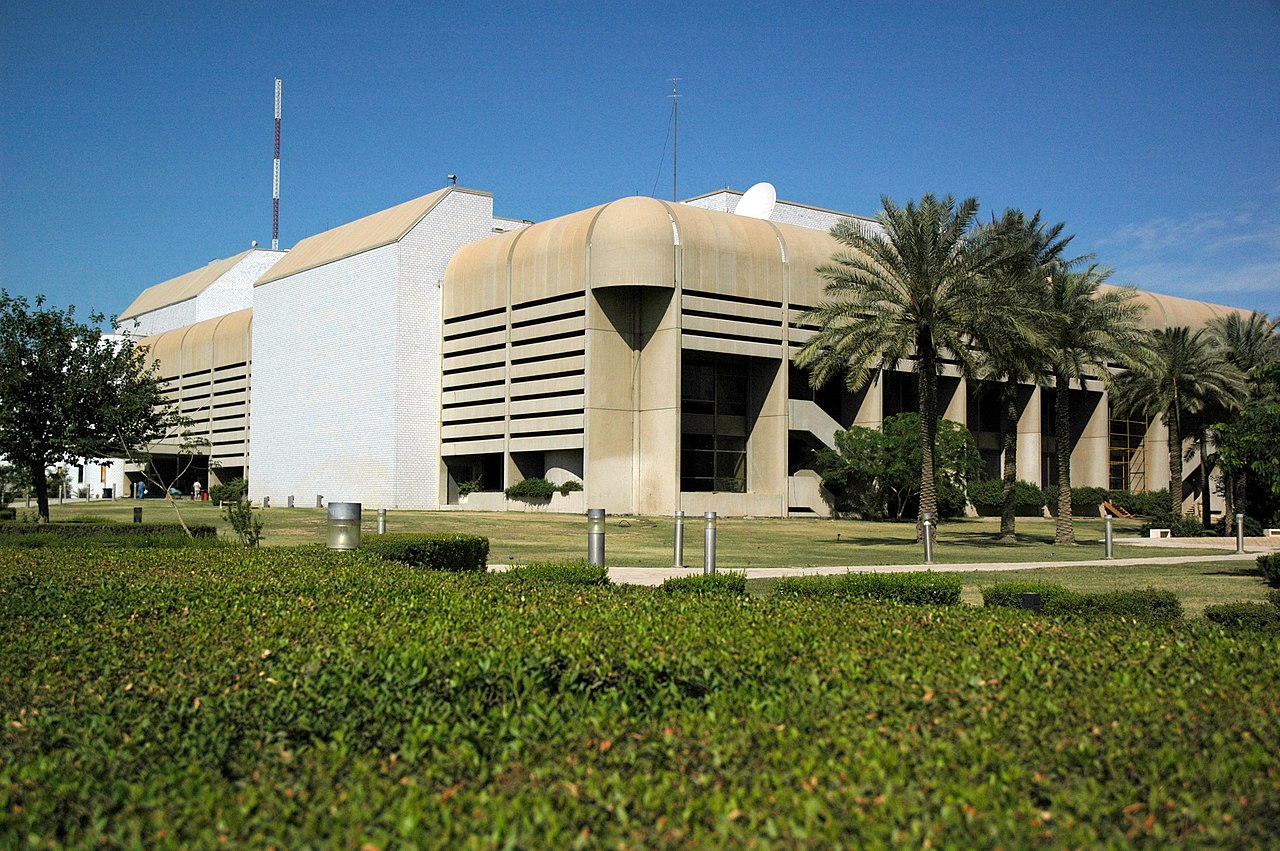
Four United States military personnel died on Friday, March 13, 2026, following a refueling aircraft crash in Iraq. This incident occurred amidst a broader escalation of hostilities across the Middle East, including reported Israeli strikes in Iran and continued Iranian actions against Gulf states. The U.S. military indicated that the crash was not a result of hostile engagement, despite a claim of responsibility from an Iranian-aligned group.
Simultaneously, multiple explosions were reported in Tehran during an Al Quds Day rally, further highlighting the volatile regional environment. Israel confirmed conducting approximately 200 strikes within Iran, while Iran continued its offensive operations, leading to two foreign national fatalities in Oman and blasts in Dubai.
Regional Military Engagements Intensify
NATO forces intercepted a third Iranian missile over Turkish airspace, prompting a strong condemnation from Turkish President Recep Tayyip Erdogan. He issued a direct warning to Iran against further provocative actions, underscoring the widening scope of the conflict.
Economic Repercussions and Strategic Concerns
Concerns are growing regarding the potential economic fallout, particularly in global energy markets. Analysts suggest that the White House may have underestimated Iran's resolve to disrupt shipping lanes, specifically the Strait of Hormuz. Goldman Sachs has projected a significant 20% increase in oil prices for 2026, reflecting heightened supply chain risks and geopolitical instability.
International Reactions and Political Statements
The escalating situation has drawn international attention and various political responses. S. President Donald Trump concerning their participation and safety in the upcoming World Cup, indicating the far-reaching implications of the conflict beyond direct military engagements. The series of events on March 13, 2026, marks a critical juncture in the ongoing regional tensions, with potential long-term consequences for global security and economic stability.
Historical Context of Regional Instability
The current escalation builds upon a long history of geopolitical friction in the Middle East, characterized by proxy conflicts, territorial disputes, and competition for regional influence. The Strait of Hormuz, a critical chokepoint for global oil shipments, has frequently been a flashpoint, with past disruptions leading to significant fluctuations in energy prices.
The involvement of various state and non-state actors, coupled with the strategic interests of global powers, contributes to the complexity and volatility of the situation. The recent events underscore the interconnectedness of military actions, economic stability, and international diplomacy in the region.
Outlook on Future Developments
Future developments will likely hinge on the responses of key international players and the ability of diplomatic efforts to de-escalate the situation. The potential for further military engagements, cyberattacks, and economic sanctions remains high. The international community is closely monitoring the Strait of Hormuz and other critical trade routes for any signs of disruption, which could have ripple effects on global supply chains and inflation.
The involvement of NATO and the explicit warnings from regional leaders like President Erdogan suggest a growing international concern over the conflict's trajectory.
Implications
Country Impact: The escalation directly impacts Iraq, Iran, Oman, Dubai, and Turkey, raising security concerns and potentially leading to further military actions and diplomatic tensions across the region. Turkey's direct warning to Iran signals a widening of regional involvement.
Industry Impact: The energy sector faces significant disruption, with projected oil price increases due to potential Strait of Hormuz closures. Global shipping and logistics industries are also at risk from increased instability in key trade routes.
Market Impact: Global financial markets are likely to experience increased volatility, particularly in oil futures and related equities. Investor confidence may decline due to heightened geopolitical risk, potentially impacting broader economic growth forecasts for 2026.