Trump's Iran Stance Shifts Amid Regional Tensions
Donald Trump's stance on Iran has evolved since 2024, shifting from advocating military action to suggesting de-escalation amid regional tensions.
Lauren Collins ·
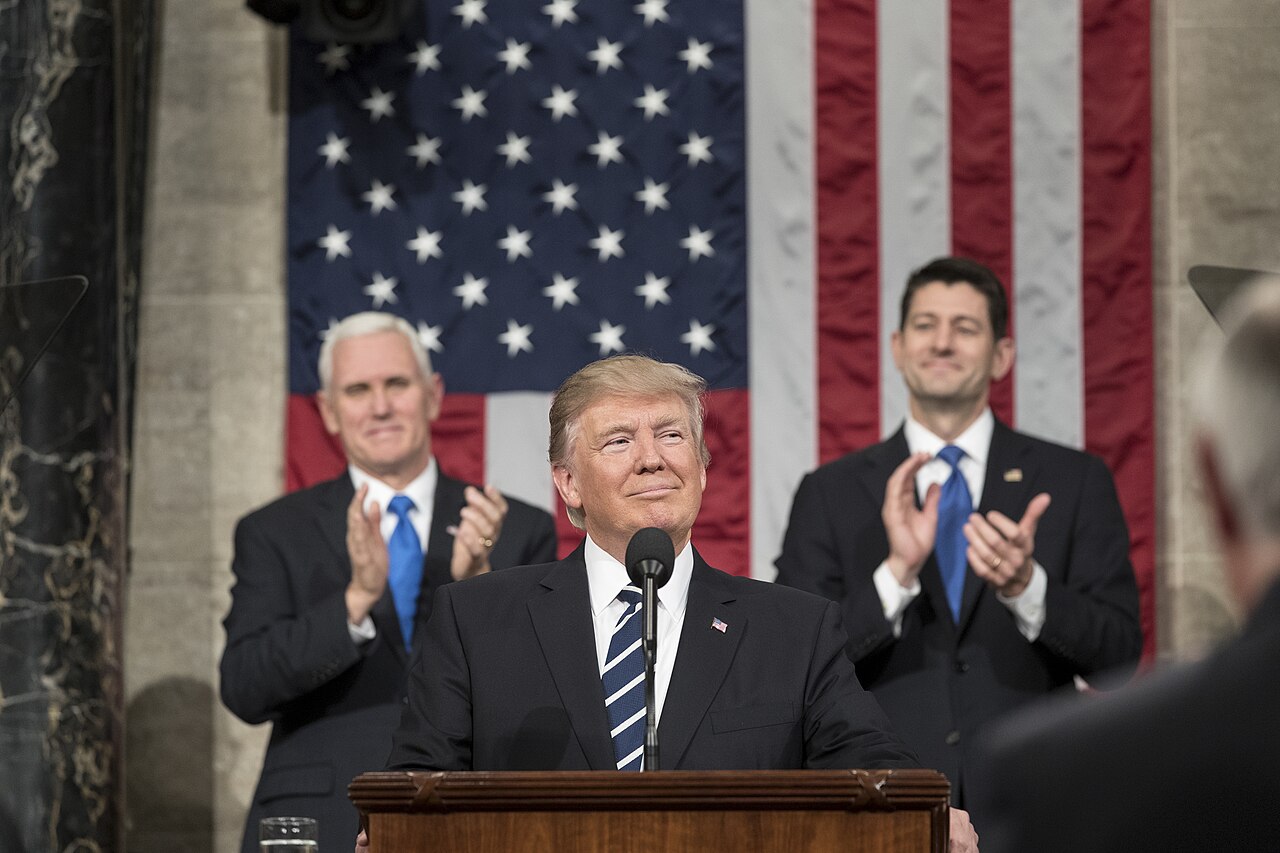
Donald Trump's public statements regarding potential military action against Iran have undergone a notable evolution since early 2024. Initially, the former president advocated for robust military measures, including the possibility of blockading the Strait of Hormuz, a vital global oil transit route. This position has since shifted, with more recent remarks suggesting a preference for de-escalation and attributing current Iranian actions to the Biden administration's foreign policy.
This change in rhetoric coincides with heightened instability across the Middle East. On March 11, 2026, Iran reportedly halted cargo traffic through the Strait of Hormuz, intensifying concerns about regional maritime security and global energy supplies. Analysts frequently characterize the ongoing confrontation as a test of strategic patience and endurance for all parties involved.
Political Context and Public Opinion
The shifting discourse from Trump also aligns with domestic political considerations. Public opinion polls conducted in early 2026 revealed a significant division among American citizens concerning military intervention in Iran. This public sentiment is likely influencing political narratives, particularly as the United States approaches the 2026 midterm elections.
Trump's current stance implies that a different diplomatic and strategic approach is necessary to manage the situation with Iran. This perspective suggests a critique of the incumbent administration's handling of Middle Eastern affairs and an attempt to differentiate his potential future foreign policy.
Strategic Implications for the Region
The Strait of Hormuz remains a critical geopolitical flashpoint. Approximately one-fifth of the world's total oil supply, and a significant portion of liquefied natural gas, passes through this narrow waterway. Any disruption, such as the reported cargo halt, has immediate and substantial implications for global energy markets and international trade.
Previous administrations have consistently viewed the free passage through the Strait as a core national security interest. The evolving positions of prominent political figures like Trump underscore the complexity and sensitivity of crafting an effective strategy towards Iran, balancing national interests with regional stability and global economic concerns.
Future Policy Considerations
The debate over Iran policy extends beyond immediate military responses to encompass economic sanctions, diplomatic engagement, and regional alliances. The effectiveness of various strategies in deterring Iranian actions and ensuring regional security remains a central point of contention among policymakers and international relations experts. The upcoming electoral cycle in the U.S. is expected to further shape the public and political debate on these critical foreign policy issues.
Implications
Country Impact: The United States faces ongoing foreign policy challenges in the Middle East, with domestic political discourse heavily influenced by public opinion on military intervention. The 2026 midterm elections will likely see Iran policy as a key debate point.
Industry Impact: The global energy sector, particularly oil and gas markets, remains highly sensitive to developments in the Strait of Hormuz. Any disruption to shipping lanes could lead to price volatility and supply chain instability.
Market Impact: Geopolitical tensions in the Middle East, particularly concerning Iran and critical shipping routes, can introduce significant uncertainty into global financial markets, potentially affecting commodity prices and investor confidence.