Hezbollah Faces Growing Internal Lebanese Dissent
Hezbollah faces growing internal dissent in Lebanon from its Shiite base over the escalating conflict with Israel, causing significant casualties and…
Lauren Collins ·
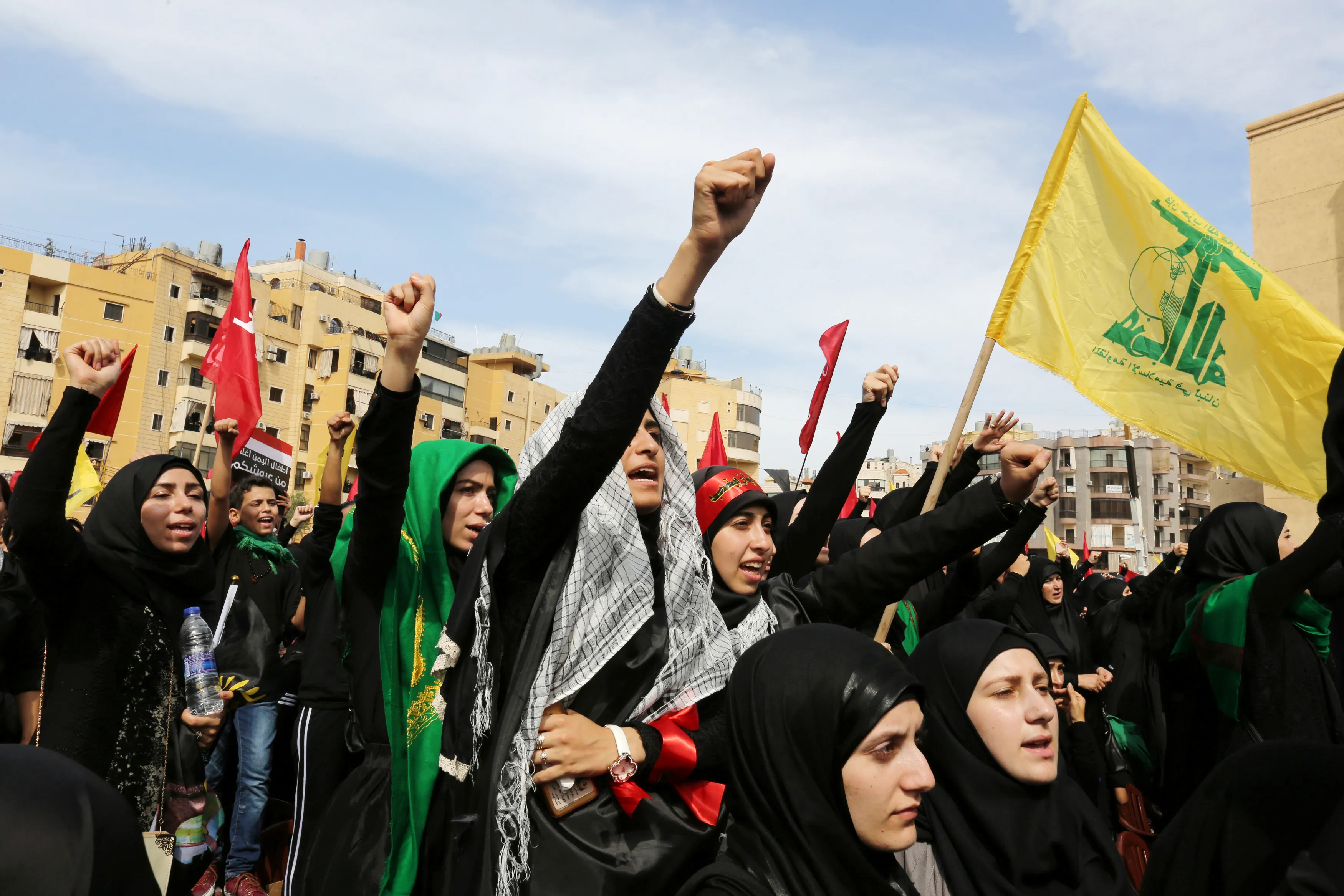
Hezbollah is encountering increasing criticism from within Lebanon, particularly from its traditional Shiite constituency, as cross-border hostilities with Israel escalate. This internal opposition, which became more pronounced in late 2025 and early 2026, is largely driven by the substantial economic and human toll on Lebanese communities, especially those in the southern regions.
The conflict, initiated after the October 7, 2025, Hamas attack on Israel, has led to significant displacement and casualties. Over 400 Lebanese individuals have died, including 98 civilians, and nearly 100,000 residents have been forced to evacuate their homes in border villages. These figures highlight the severe impact on the civilian population and local infrastructure.
Escalating Border Conflict
The ongoing exchanges of fire between Hezbollah and Israeli forces have intensified since the initial events of October 2025. This sustained engagement has transformed the southern Lebanese border into an active conflict zone, disrupting daily life and economic activities for thousands of citizens. The frequency and scale of these clashes have raised concerns about broader regional destabilization.
Internal Criticism Mounts
Critics within Lebanon contend that Hezbollah's military actions have entangled the nation in a conflict it is ill-equipped to manage. Prominent voices within the Shiite community have openly challenged the group's leadership and strategic choices, questioning the rationale behind its involvement and the resulting consequences for national stability. This internal discourse represents a notable shift from previous periods of unified support.
Economic and Social Strain
The economic ramifications of the conflict are severe, exacerbating Lebanon's pre-existing financial challenges. Infrastructure damage, loss of livelihoods, and the displacement of a large population segment place immense pressure on the national budget and social services. The humanitarian crisis in the south further strains resources and public patience.
Political Implications for Hezbollah
This mounting internal pressure could significantly affect Hezbollah's political influence and operational autonomy within Lebanon. The group, a dominant political and military force, relies on a degree of public legitimacy, which is now being tested. Continued dissent may compel a re-evaluation of its strategies or lead to shifts in its domestic political alliances as the conflict persists.
Regional Context and Future Outlook
The current situation is set against a backdrop of complex regional dynamics, with various international actors closely monitoring developments. The potential for escalation remains a significant concern, influencing diplomatic efforts and humanitarian aid initiatives. The long-term implications for Lebanon's sovereignty and its role in regional security are under scrutiny, with the internal debate reflecting broader anxieties about the country's future trajectory.
Implications
Country Impact: Lebanon faces exacerbated economic strain and a deepening humanitarian crisis due to the conflict. The internal dissent could lead to significant shifts in its domestic political landscape and governance.
Industry Impact: Industries in southern Lebanon, particularly agriculture and tourism, are severely impacted by displacement and infrastructure damage. Reconstruction efforts will require substantial investment and stability.
Market Impact: Lebanese financial markets are likely to experience increased volatility and investor uncertainty. The ongoing conflict could deter foreign investment and further devalue the national currency.