Dubai Airport Drones Injure Four Amid Regional Tensions
Four individuals were injured after two drones impacted near Dubai International Airport on March 11, 2026, amid regional tensions.
Lauren Collins ·
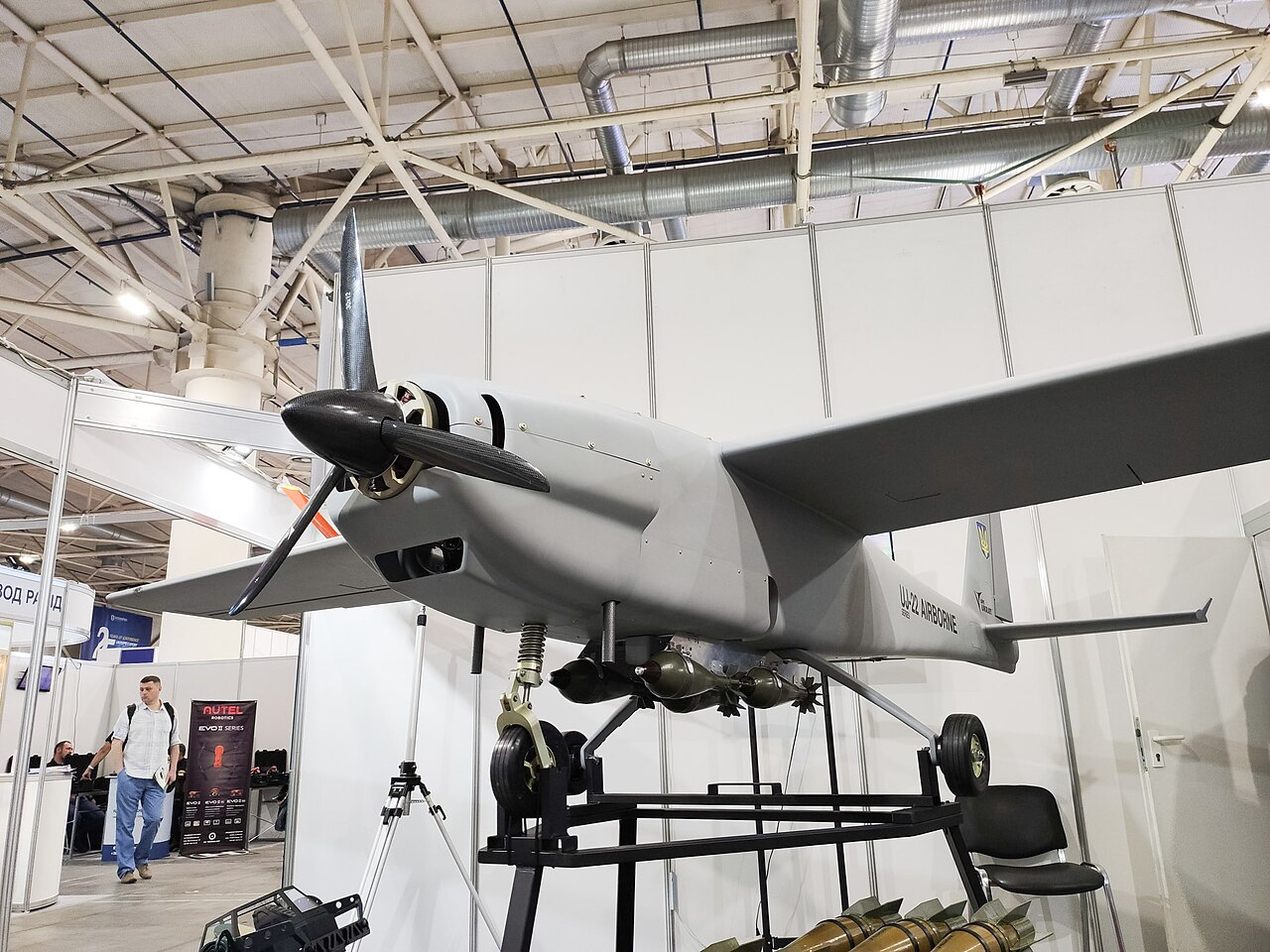
Four individuals sustained injuries on Wednesday, March 11, 2026, after two drones impacted near Dubai International Airport (DXB). The incident involved two Ghanaian nationals and one Bangladeshi national receiving minor injuries, while an Indian national suffered moderate injuries. Despite the drone activity, Dubai's media office confirmed that air traffic operations at DXB were not disrupted and continued without interruption.
This event occurred during the 12th day of an escalating regional crisis involving the U.S., Israel, and Iran, which commenced on February 28. The broader geopolitical instability has significantly affected global aviation, leading to numerous flight cancellations, rescheduling efforts, and re-routing of air traffic due to airspace restrictions across the Middle East.
Regional Conflict Escalation
The ongoing conflict has had wider economic repercussions, notably contributing to an energy crisis. This has resulted in a substantial increase in global fuel prices, impacting various sectors, including transportation and logistics. The Middle East, a critical hub for international air travel, has experienced considerable disruption.
Aviation Sector Impact
Major United Arab Emirates carriers, such as Emirates and Etihad Airways, have resumed some flight operations. However, these airlines are currently operating below their full capacity, reflecting the persistent challenges posed by the regional security situation. Dubai International Airport, a significant global aviation hub that processed nearly 100 million passengers in the preceding year, is directly affected by these operational adjustments.
Security and Operational Continuity
The swift confirmation from Dubai authorities regarding the continuity of airport operations aimed to reassure travelers and maintain confidence in the region's critical infrastructure. The incident underscores the heightened security concerns in the Middle East, particularly around key transportation nodes, as geopolitical tensions persist.
Broader Economic Implications
The sustained instability and its impact on air travel and energy markets highlight the interconnectedness of regional security with global economic stability. Businesses reliant on international supply chains and air freight face ongoing challenges, while consumers are contending with elevated energy costs. The situation demands continuous monitoring of both security developments and their economic fallout.
Implications
Country Impact: The UAE faces heightened security concerns around critical infrastructure like Dubai International Airport, potentially impacting its image as a stable global hub. Economic activity, particularly in tourism and logistics, could see sustained pressure if regional tensions persist.
Industry Impact: The global aviation industry continues to grapple with airspace closures, re-routing, and reduced capacity, leading to increased operational costs and potential revenue losses for airlines. The energy sector is experiencing price volatility due to supply concerns stemming from the regional conflict.
Market Impact: Global financial markets may react to increased geopolitical risk, particularly in energy commodities and airline stocks. Investor confidence in Middle Eastern assets could be affected, leading to capital outflows or increased risk premiums.