Trump Iran strikes shift NATO summit focus
US military action against Iran put a Turkey NATO summit on a more urgent footing, cutting across talks on defense spending.
Mateo Fernandez ·
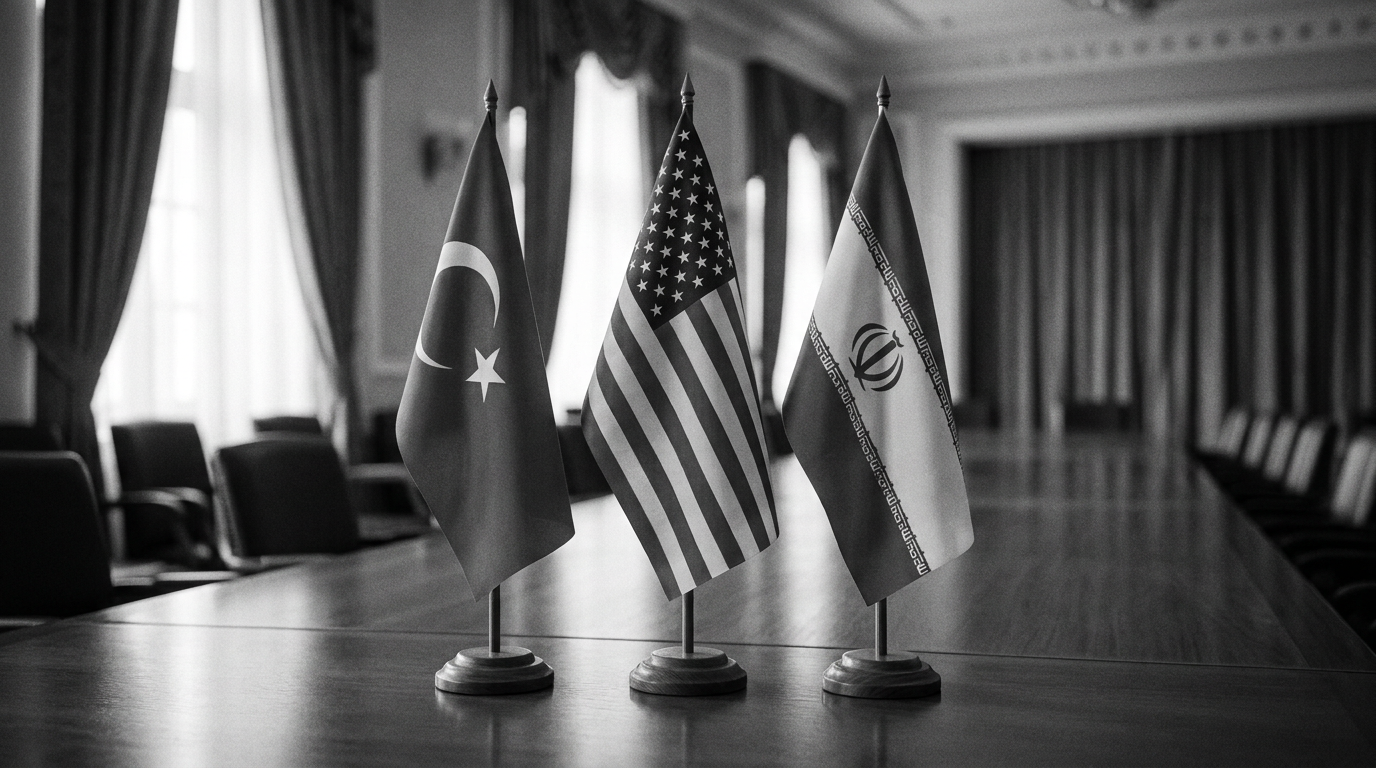
President Trump’s strikes on Iran have redirected the agenda at a NATO summit in Turkey, officials said, adding a new security crisis to talks that had been expected to center on allied defense spending. Reaction pending.
Officials also said the administration revoked a license that had allowed Tehran to sell oil on the world market. That turns the episode from a military action into a broader geopolitical and energy-market risk, because any Iranian response could affect Gulf security, shipping routes or oil supply expectations.
Iran strikes overtake NATO agenda
The summit had been framed around burden-sharing inside the alliance, with defense budgets and military readiness at the center of discussions. The strikes create a more immediate question for NATO leaders: how to respond politically to a US action that could trigger retaliation while maintaining unity among allies.
For Washington, the decision raises the stakes of alliance diplomacy. If allied governments back the move, the summit could give Trump a stronger diplomatic platform against Tehran. If some allies resist or call for restraint, the meeting could expose divisions over risk tolerance and regional strategy.
The oil-license decision adds another channel of pressure. If Iranian exports face tighter limits, energy traders and governments will watch whether buyers shift supply chains or whether Tehran seeks leverage through regional escalation.
The next 24 hours, through July 9, 2026, will test whether the summit produces a unified NATO statement, a narrower call for de-escalation or silence while capitals assess Iran’s response.