DOJ Faces Scrutiny Over Missing Trump-Epstein Files
The DOJ faced scrutiny in late 2025 over missing Trump-related documents from Jeffrey Epstein's files, despite an FBI internal review.
Lauren Collins ·
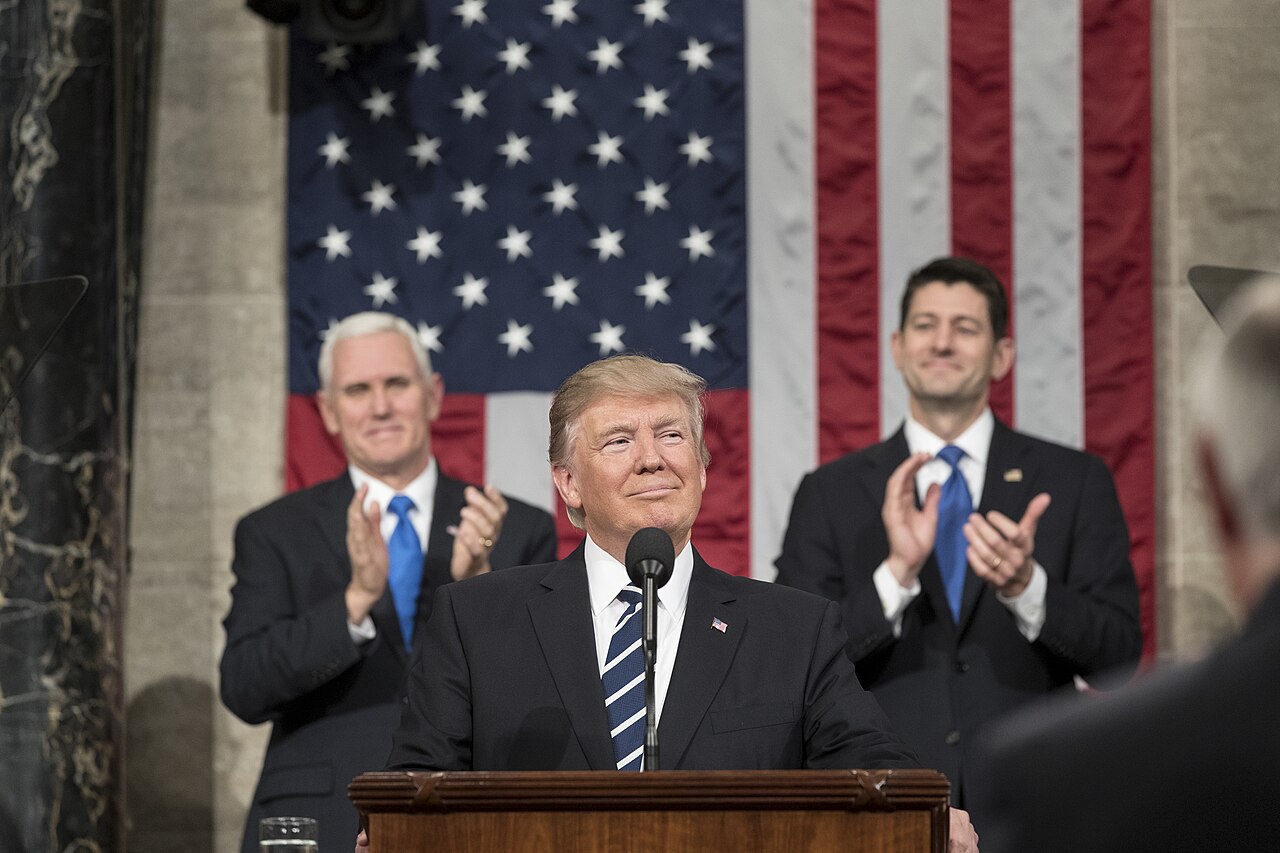
The U.S. Department of Justice (DOJ) encountered significant criticism regarding the public release of documents connected to Jeffrey Epstein, particularly those potentially involving former President Donald Trump. This scrutiny arose in late 2025 following a November 2025 legal mandate for the disclosure of Epstein's extensive files. Reports indicated that certain documents, which an internal FBI initiative had previously summarized, were absent from the public domain.
FBI Internal Review and Document Summaries
In July 2025, FBI agents undertook an internal effort to compile what was termed "derogatory information" concerning Donald Trump and other notable figures from Epstein's records. This process involved creating summaries of various allegations, including a claim of sexual assault from Trump's teenage years and an assertion that Epstein introduced a woman to Trump.
These summaries were part of a broader preparation for the release of over three million pages of documents, scheduled for late January 2026.
Incomplete Public Disclosure
Despite the FBI's preparatory work, the subsequent public release of Epstein's files was characterized as incomplete and disorganized. Several records that investigators had previously considered significant were reportedly not included in the disclosed material. This raised questions about the thoroughness of the DOJ's compliance with the court order.
DOJ Redaction Policies and Inconsistencies
The Department of Justice's redaction policy stipulated that information would only be withheld under specific circumstances, such as protecting victims. However, the implementation of this policy appeared inconsistent, with some witness names remaining visible while other sections were heavily redacted. Approximately 76,000 documents were temporarily removed from online access, further complicating the transparency efforts.
Commitment to Transparency and Subsequent Findings
Deputy Attorney General Todd Blanche had publicly committed in December 2025 that no information pertaining to President Trump would be redacted or withheld. Nevertheless, subsequent investigations by media outlets, including The New York Times, indicated that some records underpinning specific tips related to Trump were not initially discoverable within the released documents. This discrepancy fueled concerns about the completeness and impartiality of the disclosure process.
Broader Context of Epstein Investigations
The controversy surrounding the Epstein files is part of a larger, ongoing public and legal interest in the activities of the late financier. The extensive network of individuals associated with Epstein, coupled with the nature of the allegations against him, has led to sustained calls for full transparency from government agencies. The handling of these documents by the DOJ and FBI remains a focal point for public and media oversight, particularly concerning high-profile individuals.
Implications
Country Impact: The incident could erode public trust in government transparency and accountability, potentially fueling political polarization and conspiracy theories regarding the handling of sensitive information by federal agencies.
Industry Impact: The legal and journalistic sectors face challenges in verifying information and ensuring comprehensive reporting when government disclosures are perceived as incomplete or inconsistent, impacting investigative journalism standards.
Market Impact: While direct market impact is limited, any perceived lack of transparency or political controversy can contribute to broader uncertainty, potentially influencing investor sentiment in the long term, particularly concerning regulatory oversight.