Iran Threatens Hormuz Closure Amid Regional Tensions
Iran's IRGC threatened to close the Strait of Hormuz, a critical oil chokepoint, amid regional conflict, potentially raising oil prices to $200.
Lauren Collins ·
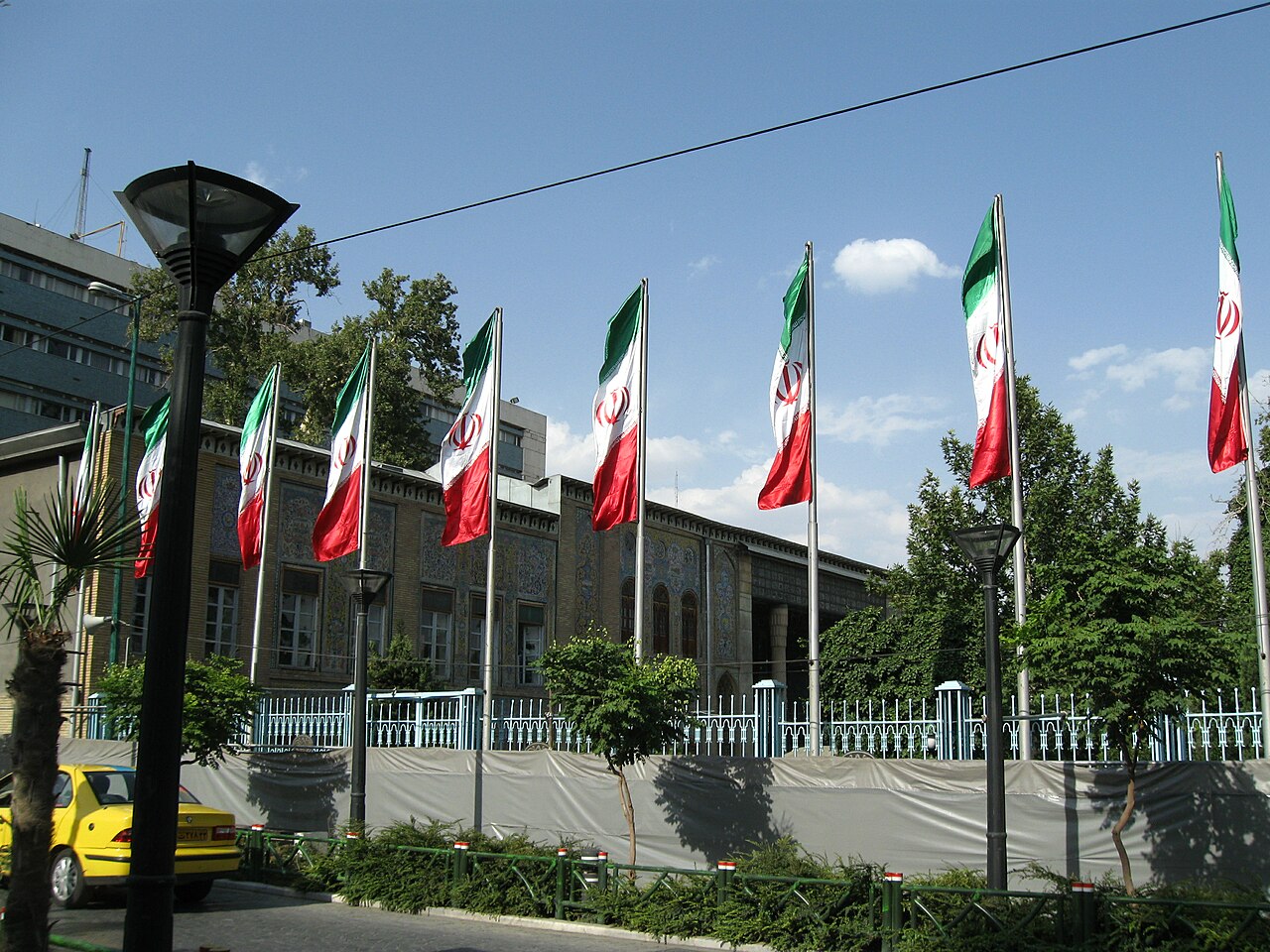
Iran's Islamic Revolutionary Guard Corps (IRGC) declared on March 11, 2026, its intention to impede oil shipments through the Strait of Hormuz. This announcement, made during an ongoing conflict involving the United States, Israel, and Iran, specified that vessels associated with these nations or their allies would be targeted. The IRGC's statement projected a potential surge in oil prices, possibly reaching $200 per barrel, underscoring the strategic importance of the waterway.
Strategic Waterway Under Threat
International Response and Market Impact
Political and Humanitarian Concerns
Historical Context of Hormuz Tensions
Economic Implications and Outlook
Implications
Country Impact: A prolonged closure of the Strait of Hormuz could lead to a significant energy supply crisis in Europe, impacting economic stability and potentially necessitating energy rationing. Nations reliant on Middle Eastern oil would face immediate supply shocks.
Industry Impact: The global shipping industry would face severe disruptions, with increased transit times and costs due to rerouting. This would affect supply chains across various sectors, including manufacturing and consumer goods, leading to inflationary pressures.
Market Impact: Global oil prices are projected to surge, potentially reaching $200 per barrel, impacting energy-intensive industries and consumer spending. Equity markets could experience volatility, and bond markets might see increased demand for safe-haven assets.