Iran Rejects US Ceasefire, Demands Security Guarantees
Iran rejects US ceasefire proposals, demanding comprehensive security guarantees against future aggression, citing the Strait of Hormuz.
Lauren Collins ·
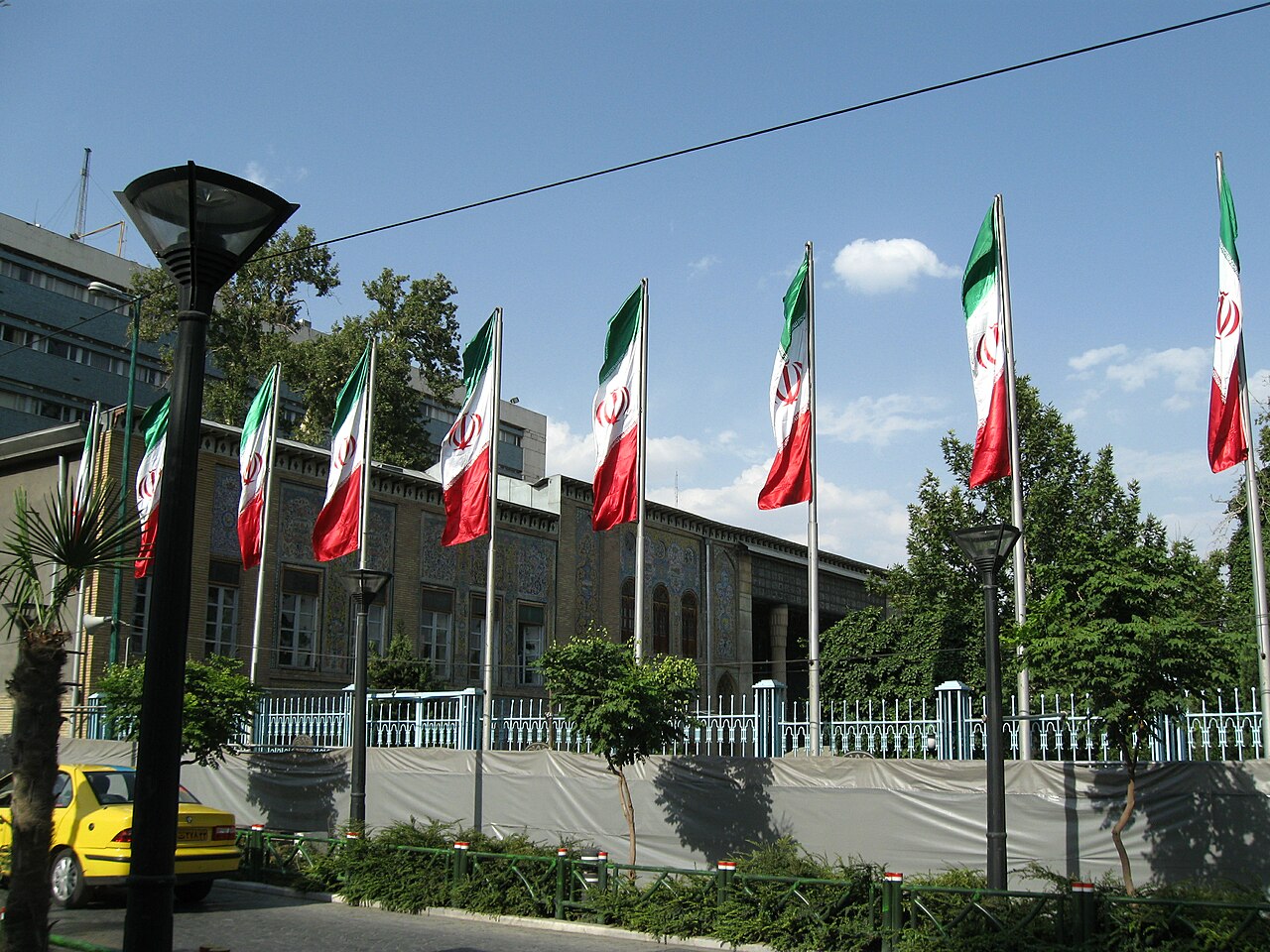
Iran has rejected recent ceasefire proposals from the United States, insisting on comprehensive security guarantees against future aggression. Foreign Minister Abbas Araghchi articulated Tehran's position on Tuesday, emphasizing that any cessation of hostilities must be part of a permanent agreement, not a temporary measure.
This stance follows the rejection of two separate ceasefire offers conveyed by U.S. envoy Steve Witkoff. Iranian officials, including Deputy Foreign Minister Kazem Gharibabadi, have stated that a ceasefire without explicit U.S. commitments against further attacks would be "meaningless" for the Islamic Republic.
Tehran's Conditions for De-escalation
Tehran's leadership has consistently maintained a firm posture. Parliament Speaker Mohammed Ghalibaf previously indicated that Iran is not pursuing a ceasefire and has vowed retaliatory actions for any perceived aggression. This rhetoric underscores a broader strategy to secure long-term assurances rather than a short-term pause in tensions.
Strategic Control and International Pressure
The Islamic Revolutionary Guard Corps (IRGC) has reiterated its operational control over the Strait of Hormuz, a vital maritime passage. This strait facilitates approximately 20% of global crude oil and liquefied natural gas shipments. The IRGC has threatened to impede vessels linked to nations deemed aggressive towards Iran, highlighting a potential flashpoint for global energy markets.
Diplomatic Landscape and UN Involvement
Internationally, the United Nations Security Council is scheduled to address a Bahrain-sponsored resolution condemning Iran's actions. Concurrently, Russia may introduce its own ceasefire proposal, indicating varied diplomatic approaches to the ongoing regional tensions. These discussions reflect the complex geopolitical environment surrounding Iran's demands.
Broader Context of US-Iran Relations
The current impasse is rooted in a long history of strained relations between Washington and Tehran, exacerbated by sanctions and regional proxy conflicts. Iran's insistence on guarantees reflects its desire to avoid a repeat of past agreements that it perceives as having been unilaterally abandoned or undermined. This includes the 2015 nuclear deal, from which the U.S. withdrew in 2018.
Tehran appears determined to continue its current trajectory until it believes the U.S. has incurred significant economic, political, and military costs. This strategy aims to compel Washington into a more comprehensive and durable agreement, moving beyond temporary ceasefires to a more permanent resolution of grievances. The situation remains highly fluid, with both sides maintaining firm positions.
Implications
Country Impact: Iran's rejection signals a continued hardline stance, potentially prolonging regional instability and increasing the risk of further escalation. The demands for guarantees reflect a broader strategy to secure long-term concessions from the U.S.
Industry Impact: The IRGC's control over the Strait of Hormuz poses a significant risk to global energy markets, potentially disrupting oil and gas supplies. This could lead to increased volatility in energy prices and impact shipping insurance costs.
Market Impact: Persistent geopolitical tensions could lead to increased risk premiums in global financial markets, particularly for oil and gas futures. Investor sentiment may remain cautious regarding assets in the Middle East and emerging markets sensitive to energy prices.