Trump Demands Voter ID, Citizenship for Voting
Donald Trump demands Congress pass the "Save America Act," requiring voter ID and citizenship proof, before signing other legislation.
Lauren Collins ·
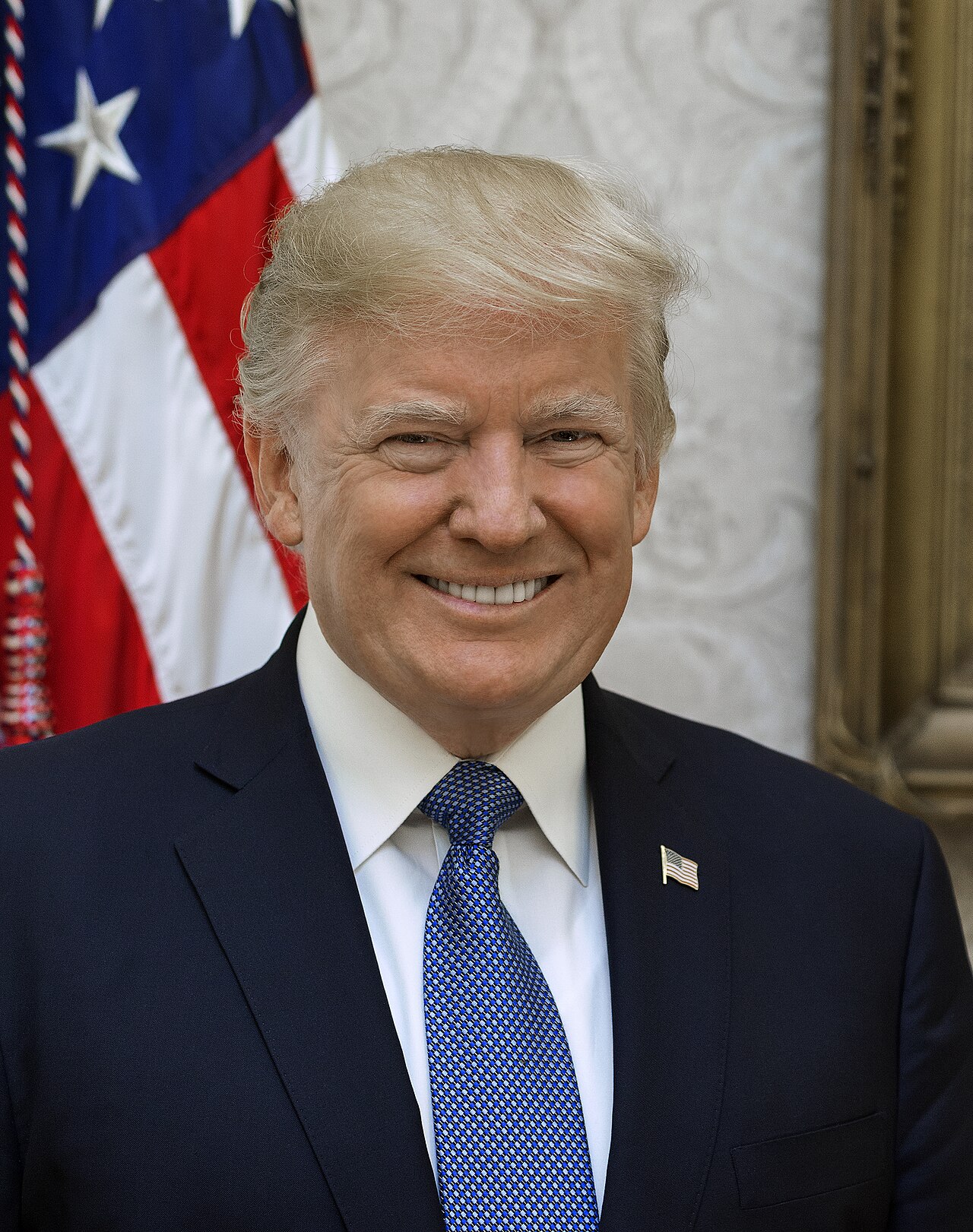
Former President Donald Trump has stated he will not sign any legislative measures until the U.S. Congress enacts the "Save America Act." This proposed legislation, outlined on his Truth Social platform, seeks to impose stricter voting requirements, including mandatory voter identification and proof of U.S. citizenship for voter registration.
The "Save America Act" also aims to restrict mail-in ballots and includes provisions unrelated to voting, such as prohibitions on transgender individuals participating in women's sports and gender-affirming care for minors. This initiative represents a renewed push for measures previously introduced as the Safeguard American Voter Eligibility (SAVE) Act.
Legislative Path and Requirements
The U.S. House of Representatives approved a version of this bill earlier in the year. However, its progression through the Senate faces significant challenges, as it would require at least 60 votes to overcome a potential filibuster, a threshold unlikely to be met given the current political landscape.
Advocates for the legislation argue these measures are necessary to ensure election integrity. Conversely, voting rights organizations contend that such requirements could disenfranchise a substantial number of eligible voters, particularly younger demographics and minority groups, who may face greater difficulties in obtaining the specified documentation.
Context of Election Integrity Claims
Mr. Trump's insistence on these voting restrictions stems from unverified assertions regarding widespread illegal voting by non-citizens in U.S. elections. These claims have been a recurring theme in his political discourse, particularly following the 2020 presidential election.
However, independent analyses, including those from organizations like the Bipartisan Policy Center, indicate a lack of evidence supporting the notion that non-citizen voting has materially influenced past election results. Historical efforts by states to identify non-citizens on voter rolls have frequently misidentified eligible citizens.
Potential Impact on Voter Access
The proposed requirements for documented proof of U.S. citizenship for voter registration and mandatory photo identification at polling places could create new barriers to ballot access. Critics argue that these measures disproportionately affect communities with limited access to government-issued identification or birth certificates.
This legislative demand highlights ongoing political divisions regarding election administration and the balance between security measures and voter accessibility. The debate over voter ID laws and citizenship verification has been a contentious issue in American politics for decades, with proponents citing security and opponents citing potential disenfranchisement.
Implications
Country Impact: The demand for the "Save America Act" could intensify political gridlock in the U.S. Congress, potentially delaying action on other legislative priorities. It also fuels ongoing national debates about election integrity and voter access.
Industry Impact: There are no direct industry-specific implications, but the broader political climate could affect sectors sensitive to legislative stability or regulatory changes. Advocacy groups focused on civil rights and election law would see increased activity.
Market Impact: Financial markets are unlikely to be directly impacted by this specific legislative demand, as it primarily concerns domestic political processes. However, prolonged legislative stalemates could contribute to broader political uncertainty, which markets generally dislike.