Iran's Oil Reserves Shape Geopolitical Dynamics
Iran's vast oil and gas reserves are a critical factor in global energy markets and international politics, influencing U.S.
Lauren Collins ·
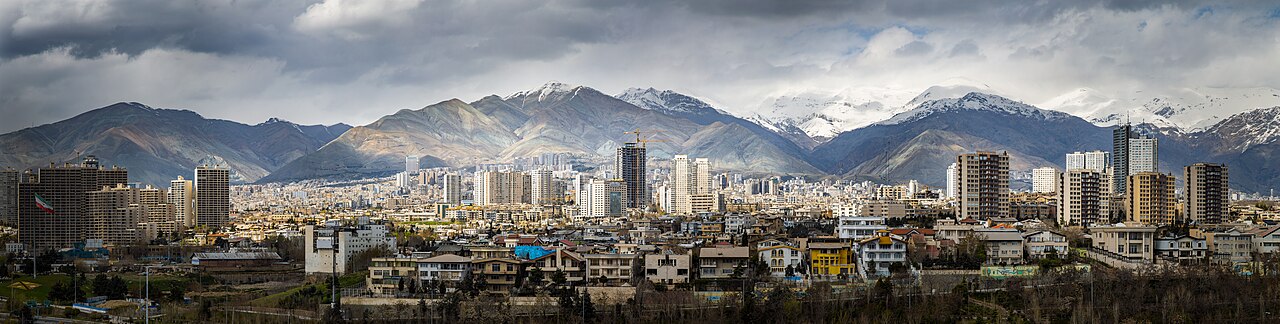
Iran's substantial oil and natural gas reserves are a significant factor in global energy markets and international relations. These vast hydrocarbon deposits position the nation as a key energy provider, particularly to major consumers like China. The strategic importance of these resources is frequently acknowledged by international policymakers, including officials within the United States government.
Strategic Energy Holdings
Iran holds some of the world's largest proven reserves of both crude oil and natural gas. This endowment underpins its economic structure and provides considerable leverage in its foreign policy engagements. The country's energy sector is central to its interactions with various global powers, influencing trade agreements and diplomatic postures.
Geopolitical Implications
The presence of these extensive energy resources has direct geopolitical implications. For instance, the U.S. administration views Iran's energy wealth as a critical element in its broader foreign policy calculations concerning the Middle East. This perspective highlights the economic underpinnings of regional stability and international power dynamics.
China's Energy Needs
China, as one of the world's largest energy consumers, relies on a diverse portfolio of suppliers, with Iran being a notable component. The ongoing demand from China for Iranian oil and gas underscores the economic ties between the two nations and their collective impact on global energy flows. This relationship is often scrutinized in the context of international sanctions and energy security.
International Policy Considerations
The valuation and accessibility of Iran's natural resources are consistently factored into international policy discussions. Decisions regarding sanctions, trade routes, and regional alliances are often made with an awareness of Iran's energy capacity. This economic dimension is a persistent feature of diplomatic efforts and strategic planning by various global actors.
Historical Context of Energy Influence
Historically, control over and access to energy resources have been pivotal in shaping global politics. Iran's position as a major energy producer has long been a source of both economic strength and geopolitical tension. The country's energy sector has been subject to various international pressures and agreements, reflecting its critical role in the global supply chain.
The ongoing interplay between Iran's energy assets and international policy remains a central theme in contemporary global affairs, influencing market stability and diplomatic strategies.
Implications
Country Impact: Iran's substantial energy reserves provide it with significant economic and political leverage, influencing its foreign policy and relationships with major global powers. This resource wealth also makes it a target for international sanctions and diplomatic pressures.
Industry Impact: The global energy industry is directly impacted by Iran's production capacity and export policies. Disruptions or changes in Iranian oil and gas flows can affect global supply, pricing, and the strategic planning of energy companies worldwide.
Market Impact: Global energy markets, particularly crude oil and natural gas prices, are sensitive to developments concerning Iran's energy sector. Geopolitical tensions or shifts in supply from Iran can lead to price volatility and impact investor sentiment in energy-related assets.