Trump drug prices pact adds nine firms to wider savings test
President Trump added nine drug prices pacts to 17 earlier deals, but opaque terms and a broader healthcare cost forecast leave the savings case unresolved.
Atlas Newsdesk ·
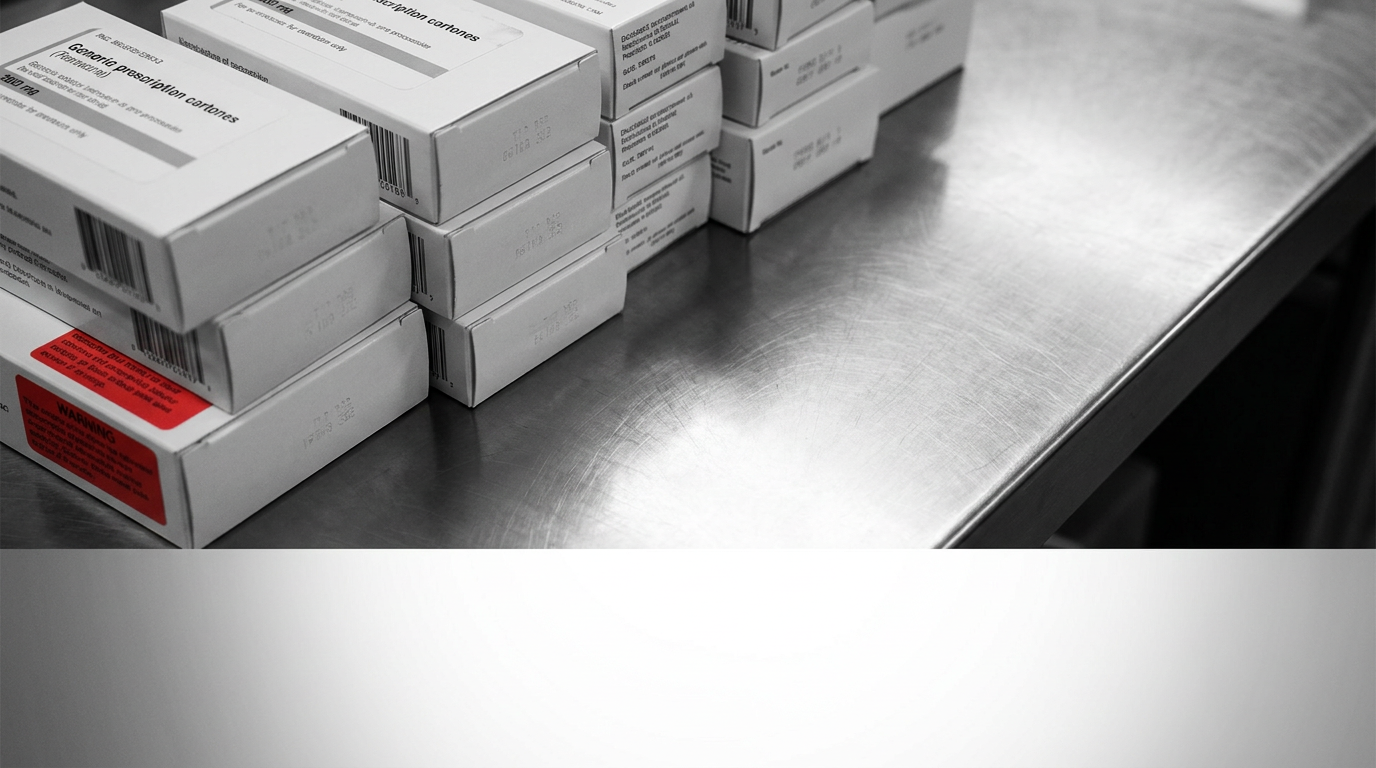
President Trump signed nine drug prices agreements, adding to 17 earlier pacts and extending a tariff-linked strategy with hard-to-measure savings.
Nine deals follow 17
The latest agreements cover midsized drugmakers including Astellas Pharma, UCB and CSL Ltd. They appear to follow the formula used in earlier pacts with larger manufacturers: tariff relief in exchange for pricing, sales and investment commitments.
Under that structure, companies would offer medicines to Medicaid at the same cost paid by peer countries, a most-favored-nation approach. They also would sell selected products at discounts through TrumpRx and put money into US research and manufacturing, according to the announced framework.
Opaque terms limit savings claims
Trump has cited a 3.1% year-over-year decline in prescription drug prices as evidence that the strategy is working. The figure is an average price move, and the precise contribution of the new agreements cannot be separated from other market forces without published contract terms.
The uncertainty is political as well as technical. Trump has asked Congress to codify the pacts, but lawmakers would need firmer details to judge how the most-favored-nation price, TrumpRx discounts and tariff exemptions interact.
Medicaid already receives some of the lowest medicine prices in the US system, which may narrow the savings available from tying its prices to those in peer countries. The main factual gap is the size of the difference between current Medicaid net prices and the foreign reference prices named in the deals.
Generics complicate Trump credit
Any assessment also has to account for forces that were in place before Trump’s current term. Generic versions of top-selling medicines can lower list and net prices as competitors enter, while Medicare’s new negotiating authority changed the bargaining process for selected drugs.
That timing matters for the companies now signing agreements. If savings are mostly generated by older drugs losing exclusivity, the new pacts may do less to change launch prices for medicines still protected by patents.
Astellas and peers face trade-off
For Astellas Pharma, UCB and CSL, the deal structure links US market access to exposure on tariffs and public pricing commitments. The companies face a trade-off between narrower US pricing flexibility and potential relief from import costs tied to the White House’s tariff policy.
The direct-to-consumer element is narrower than the overall prescription market. TrumpRx discounts on selected products could help patients buying through that channel, but the announced terms do not specify which medicines are included or how many patients qualify.
Cost pressures outgrow prescriptions
The harder test is the broader healthcare bill. A forecast cited in the debate points to healthcare costs rising roughly 10% in 2027, described as the largest increase in more than a decade.
That distinction limits the political value of lower prescription prices. Drugs are only one component of premiums, deductibles, hospital charges and physician costs, so a decline in one category may not translate into lower total healthcare spending for households.
If the agreements produce verifiable Medicaid savings and Congress writes their terms into law, the macro effect would run through slower medical inflation rather than a broad disinflation shock. For Astellas and peers, the mechanism would be lower US net prices offset by tariff relief; for the industry, foreign launch prices would become more important as reference points.
If the terms remain opaque or companies adjust overseas launch timing, the global effect would be smaller and harder to detect in consumer inflation. The companies would preserve more pricing discretion, while the sector would face a policy model built around negotiated exceptions instead of transparent rules.
If overall healthcare costs rise near the forecast 10% in 2027, lower drug prices alone would not shield households from higher insurance costs. The open questions are whether Congress receives enforceable terms, whether TrumpRx covers widely used medicines and whether companies change prices abroad in response.