

Trump defends Russian diesel easing for global markets
The White House framed the sanctions shift as a fuel-market measure, while critics warned it softens pressure on Moscow.
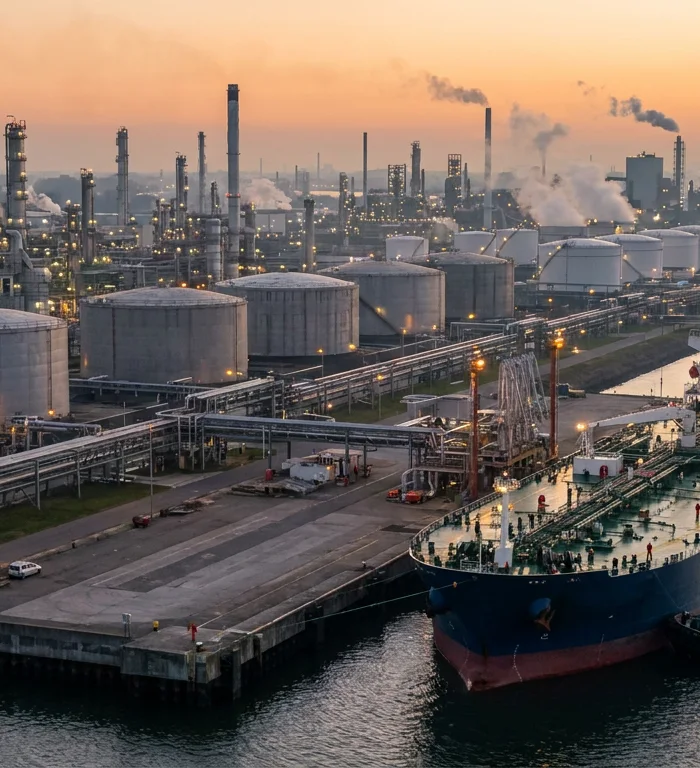
President Trump defended easing sanctions on Russian diesel shipments on October 14, saying the fuel is intended for global markets, not US buyers, as energy prices pressure consumers and industry.
Officials said the administration sees the move as a way to add supply to international diesel markets, where refinery constraints, shipping costs and sanctions compliance have shaped trade flows since Russia’s invasion of Ukraine.
Russian diesel enters price debate
The decision drew criticism from lawmakers in both parties, according to officials familiar with the response, with opponents arguing that any relief for Russian fuel exports risks weakening economic pressure on Moscow.
The White House framed the policy as a market-stability step rather than a concession to Russia. For refiners and fuel traders, the practical effect will depend on licensing terms, destination rules and whether insurers and shippers treat the change as broad enough to restart cargo flows.
If Russian diesel reaches more buyers, the immediate channel would be lower pressure on middle-distillate prices, which feed into trucking, farming, mining and heating costs. If compliance concerns keep traders away, the headline policy shift may have less effect on physical supply.
The global macro impact turns on pass-through: cheaper diesel would ease some input costs, while a limited restart would leave central banks and governments facing the same energy-price strain. The next check is whether US officials publish implementation guidance or licensing details in the 24 hours through October 15, 2026.
More stories
- Fed’s Policy Pivot Throws Future Interest Rate Guidance Into Chaos
- Sebi gives IPO issuers six more months of flexibility
- One in five US households fall behind on payments
- Fed rate outlook splits as Williams sees limited tightening
- U.S. robotics deployment gap risks long-term industrial competitiveness
- US ETF issuers add nearly 1,100 funds in leveraged push
- Washington imposes fresh tariffs on Canadian dairy, spirits, and motorcycles
- Anthropic IPO filing highlights operational risks and financial volatility
Latest news
- The Picklr seeks lease relief after $4.4m loss
- Packaging Compliance Labs adds 3 Instron systems to pharma lab
- Champions League matchday 2: Man City hosts PSG, Liverpool travels
- Laporta declares Barcelona plays Europe's best football
- Nifty IT jumped 5.2% after HCLTech profit beat
- Fusion CX IPO to cut promoter stake to 80%
- Netflix secures 2030 World Cup rights for Spain, Andorra
- Angelo State soccer seeks first road win at UT Tyler