California Vote Count Delays Explained
California's slow vote count stems from anti-fraud measures and voter protections, extending tabulation but ensuring accuracy.
Lauren Collins ·
California Vote Count Delays Explained
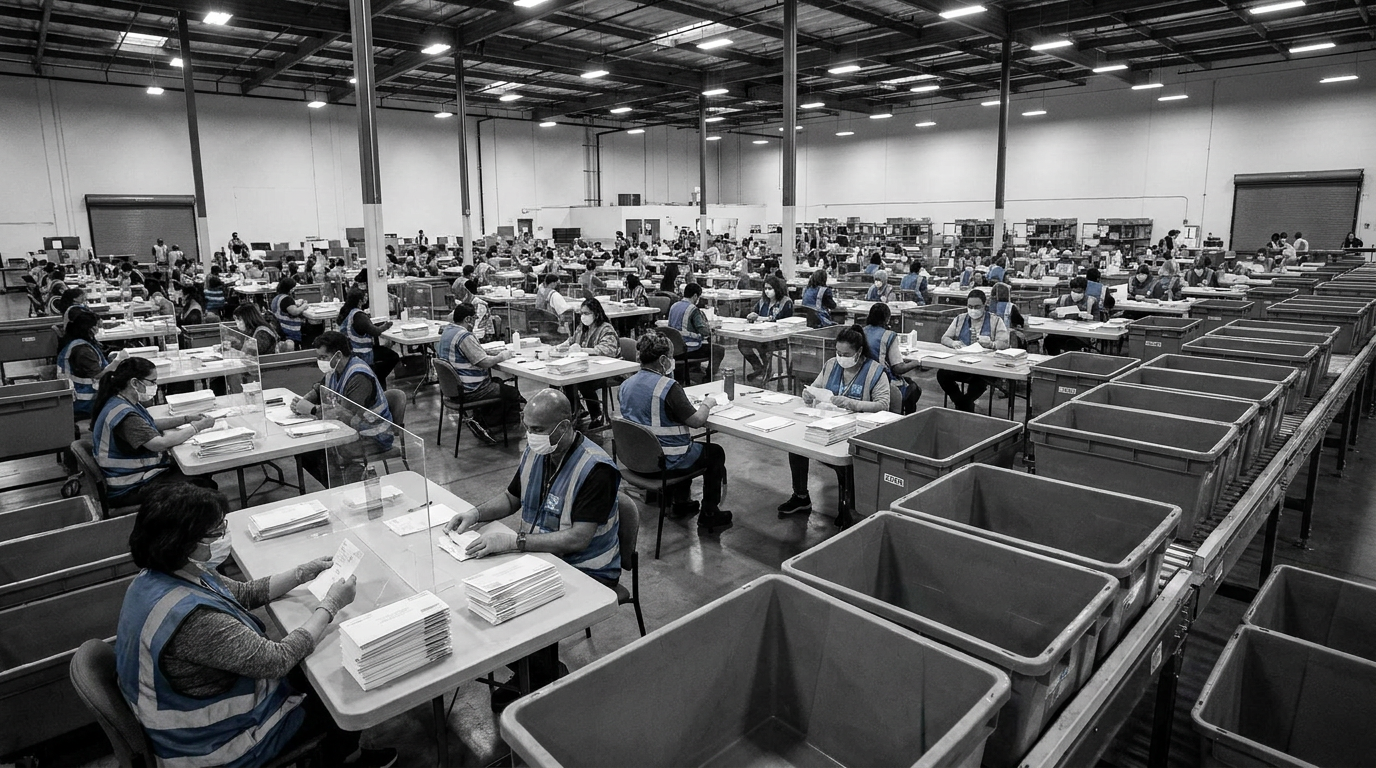
California's protracted vote tabulation process, observed this week following the primary elections, is a direct consequence of the state's extensive anti-fraud measures and voter protection protocols. These mechanisms, designed to ensure accuracy and voter access, inherently extend the counting period, often leading to results being finalized weeks after election day. This system has historically drawn criticism, including recent allegations of election manipulation from former President Donald Trump.
The primary driver of these delays is California's universal mail-in ballot system, where every registered voter receives a ballot. Ballots undergo electronic and human signature verification. Furthermore, voters are granted a 22-day period to rectify any errors on their ballots, a process known as "curing." While these provisions enhance ballot integrity and voter participation, they collectively contribute to a slower overall tabulation compared to states with different electoral frameworks.
Potential adjustments to expedite the process include increased investment in county-level staffing and equipment for ballot processing. Additionally, reducing the 22-day ballot curing period could shorten wait times without significantly impacting voter access. The state's practice of allowing ballots to be submitted on Election Day also creates a bottleneck, as these ballots cannot be processed until after polls close, further extending the counting timeline.