Iran Escalates Drone Attacks in Strait of Hormuz
Iran has intensified drone attacks near the Strait of Hormuz, with US forces intercepting recent attempts, raising global market concerns.
Cuneyd Erdogan ·
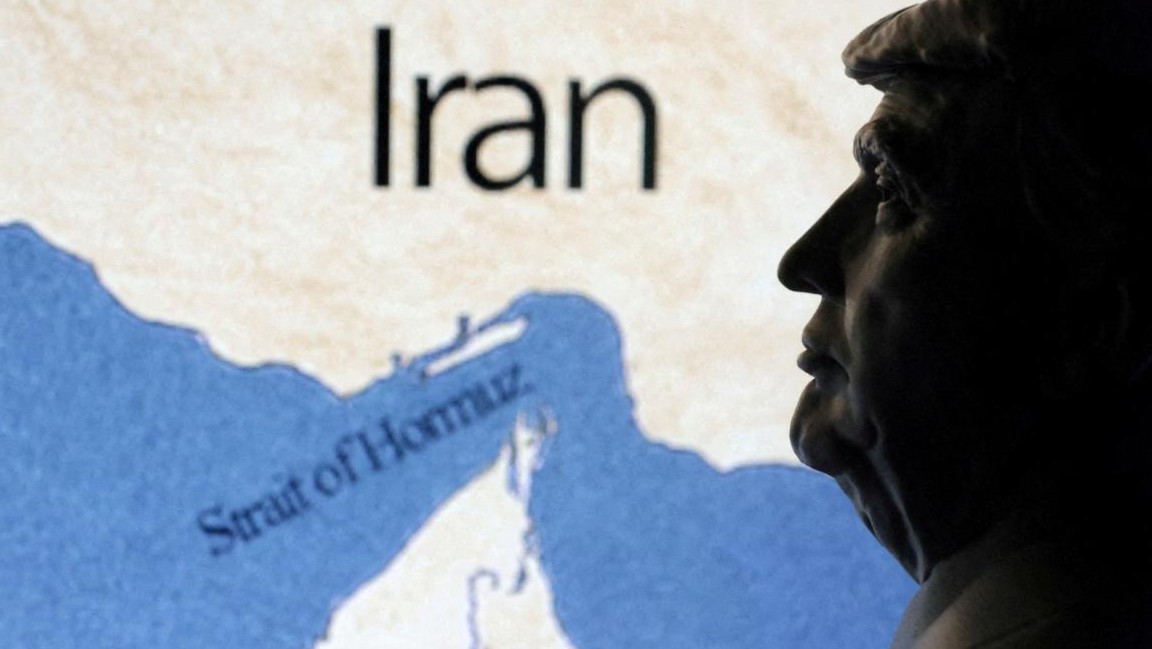
Tensions between Iran and the United States have escalated once more in the Strait of Hormuz, a vital artery for global oil trade. According to American officials, Iran recently deployed numerous attack drones around the strait. US fighter jets successfully downed at least four of these unmanned aerial vehicles.
This move by Iran follows months of ongoing conflict and a fragile ceasefire. Washington asserts that these drones pose a significant threat to maritime traffic in the region, while Iran claims its actions are a response to US activities in the area.
US Responds to Drone Activity
Following the drone incursions, the US Central Command (CENTCOM) conducted operations targeting Iranian coastal surveillance radars. The American military indicated that these facilities were being used to direct attacks within the Strait of Hormuz.
In recent weeks, Iran's missile and drone attacks against Kuwait and Bahrain have also heightened regional tensions. Both the United States and Gulf nations reported that most of these attacks were successfully intercepted by air defense systems.
Global Energy Markets on Alert
The Strait of Hormuz is recognized as a critical chokepoint through which a substantial portion of the world's oil trade passes. Any military escalation in this area directly impacts global energy supplies and oil prices. Experts warn that continued attacks could trigger new volatility in international energy markets.
Naval traffic in the strait significantly decreased following clashes that began in February, forcing many commercial vessels to alter their routes.
Diplomatic Efforts Face Challenges
Although US President Donald Trump stated that discussions with Iran are ongoing, developments on the ground complicate the diplomatic process. While negotiations aim to solidify a permanent ceasefire, mutual attacks hinder the establishment of trust between the parties.
These recent events suggest a potential increase in the already high geopolitical risks in the Middle East. Attention remains focused on forthcoming statements from both Washington and Tehran.