Canada Bars Texas Cattle and Horses After Screwworm Cases
Canada has banned livestock imports from Texas following the detection of flesh-eating screwworms in calves, prompting U.S. containment efforts.
Lauren Collins ·
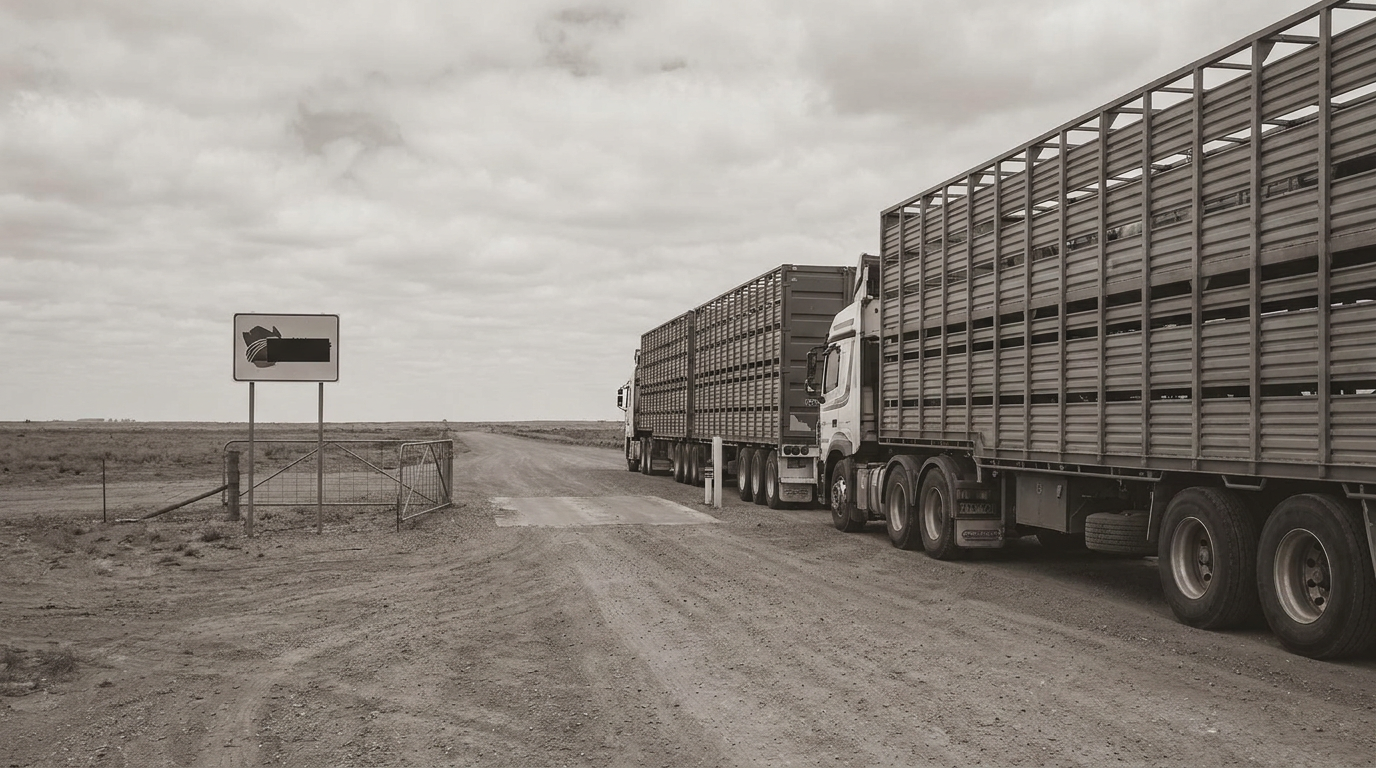
Canada’s food inspection agency has imposed a temporary ban on importing certain livestock from Texas after U.S. officials confirmed two cases of New World screwworm in calves in the state.
The restriction takes effect immediately and applies to cattle and horses that have been in Texas within 21 days before crossing into Canada. The agency said the step is intended to reduce the risk of the parasite being introduced through animal movements.
The U.S. Department of Agriculture said the second case was confirmed on Friday.
The first case was identified on Wednesday in a three-week-old calf in La Pryor, about 48 km (30 miles) from the Mexican border, marking the first detection in Texas in 60 years. A second case was confirmed on Friday in Zavala County in a one-month-old calf about 9 km (5.6 miles) from the initial site. Texas is a leading U.S. beef and cattle producer.
Texas Governor Greg Abbott declared a state of disaster on Friday, citing what he called an “imminent threat” to the state’s agricultural industry. U.S. officials said the measures are focused on limiting livestock movement and identifying additional infections as testing continues in the region.
Control zone and monitoring measures
The USDA said it has established a 20 km (12.4 miles) control zone around the affected area. Within that zone, officials have enacted quarantines, movement controls and heightened surveillance. The second case was detected inside the control zone, officials said.
The New World screwworm is a parasitic fly whose larvae infest open wounds on warm-blooded animals. If left untreated, the larvae can cause severe injury and may kill the host. Officials have urged livestock owners to watch for suspicious wounds and seek veterinary attention if animals show signs of infection.
Trade impact and response plan
Canada and the United States have significant two-way cattle trade, with livestock crossing the border for slaughter, breeding and other uses. Canadian agriculture data cited in the report show Canada imported 550,000 cattle from the U.S. in 2025, with imports growing in recent years.
Canadian officials said a widespread outbreak in Canada is unlikely because colder conditions make it harder for the parasite to establish. Still, they advised farmers to monitor herds and remain alert, particularly if animals have recently traveled.
U.S. officials said they plan to fight the outbreak by releasing sterile flies to curb reproduction and using sniffer dogs to help detect the parasite in cattle. Officials have warned that containing the spread will depend on rapid detection and compliance with movement restrictions in affected areas.
Authorities in both countries are expected to keep reviewing testing results and control measures in Texas in the coming days as they assess whether the temporary import restrictions should be adjusted.