Trump Affirms Tariff Power Post-Supreme Court Ruling
Former U.S. President Trump affirmed his right to impose new tariffs following a Supreme Court ruling invalidating previous duties.
Lauren Collins ·
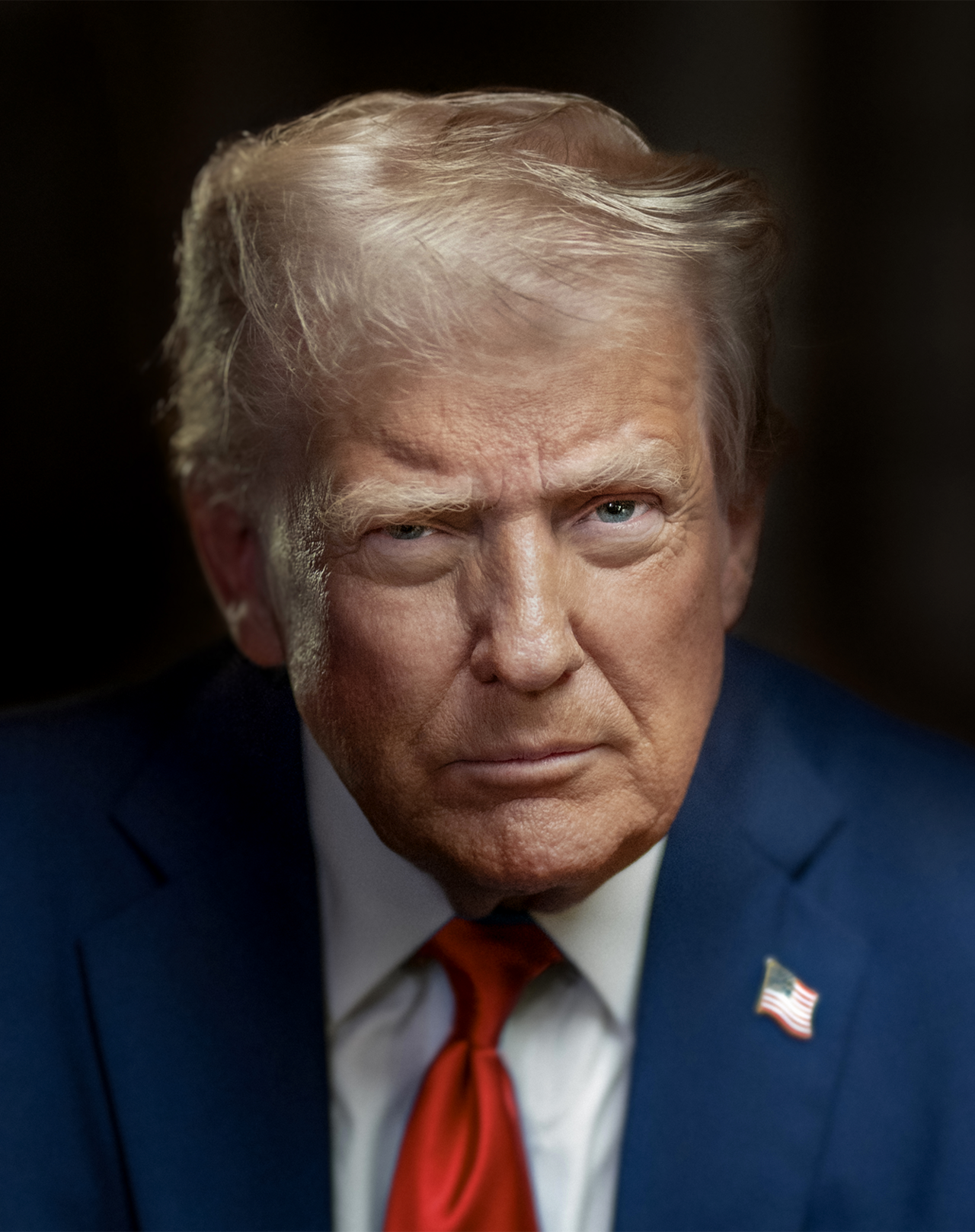
Former U.S. President Donald Trump recently asserted his authority to implement new tariffs, following a Supreme Court decision that invalidated several of his previous import duties. On Sunday, March 16, 2026, Trump stated his "absolute right" to impose such measures, despite the court's findings.
The Supreme Court's ruling in February 2026 determined that the Trump administration had failed to provide sufficient legal justification for using the 1977 International Emergency Economic Powers Act (IEEPA) to impose tariffs. This decision prompted a critical response from Trump, who voiced his disapproval of the court's judgment on social media.
Legal Framework and Presidential Authority
Following the Supreme Court's decision, the administration moved to impose new 10% tariffs on goods from various nations. These tariffs were enacted under Section 122 of the 1974 Trade Act, a different legal mechanism than the IEEPA. These temporary measures are scheduled to conclude in July 2026, marking 150 days since their implementation.
President Trump's statement indicated a continued commitment to using tariffs as a trade policy tool. He highlighted that the court's decision acknowledged his right to levy tariffs through alternative legal avenues, a process he claims has already commenced.
Strategic Trade Investigations Underway
In the week preceding Trump's public comments, U.S. officials initiated multiple trade investigations. The objective of these inquiries is to establish a legal basis for new, permanent tariffs. These potential new duties would serve to replace the tariffs that were invalidated by the Supreme Court's ruling.
This strategic shift underscores an ongoing effort to maintain a robust tariff policy, adapting to judicial interpretations of presidential trade powers. The administration is exploring different statutory authorities to ensure the continuity of its trade agenda.
Implications for Global Trade Policy
The ongoing legal and political developments surrounding U.S. tariff policy have significant implications for international trade. The reliance on different sections of trade law, such as the 1974 Trade Act, demonstrates an evolving approach to trade enforcement.
Future tariff actions could impact global supply chains and trade relations, particularly as the U.S. seeks to establish permanent measures. The outcome of the ongoing trade investigations will be crucial in shaping the next phase of American trade policy and its effects on the global economy.
Outlook on Future Tariff Actions
The administration's proactive stance in initiating new trade investigations suggests a sustained focus on using tariffs to address perceived trade imbalances. The expiration of the current temporary tariffs in July 2026 sets a clear timeline for the potential introduction of more enduring trade barriers. This situation highlights the dynamic interplay between executive trade authority and judicial oversight in the United States.
Implications
Country Impact: The U.S. legal framework for trade policy is under scrutiny, with the executive branch seeking alternative statutory authorities to implement tariffs. This could lead to a more complex and potentially less predictable trade environment for U.S. businesses and consumers.
Industry Impact: Industries reliant on international supply chains face continued uncertainty regarding import costs and trade barriers. Companies may need to adjust sourcing strategies or absorb higher costs, potentially impacting profitability and consumer prices.
Market Impact: Global financial markets may experience volatility due to ongoing trade policy shifts. The prospect of new, permanent tariffs could influence investor sentiment, currency valuations, and commodity prices, particularly for goods targeted by potential duties.