Trump Affirms Tariff Powers After Court Ruling
Donald Trump affirmed tariff authority on March 16, 2026, after a Supreme Court ruling invalidated prior duties, imposing new 10% tariffs.
Lauren Collins ·
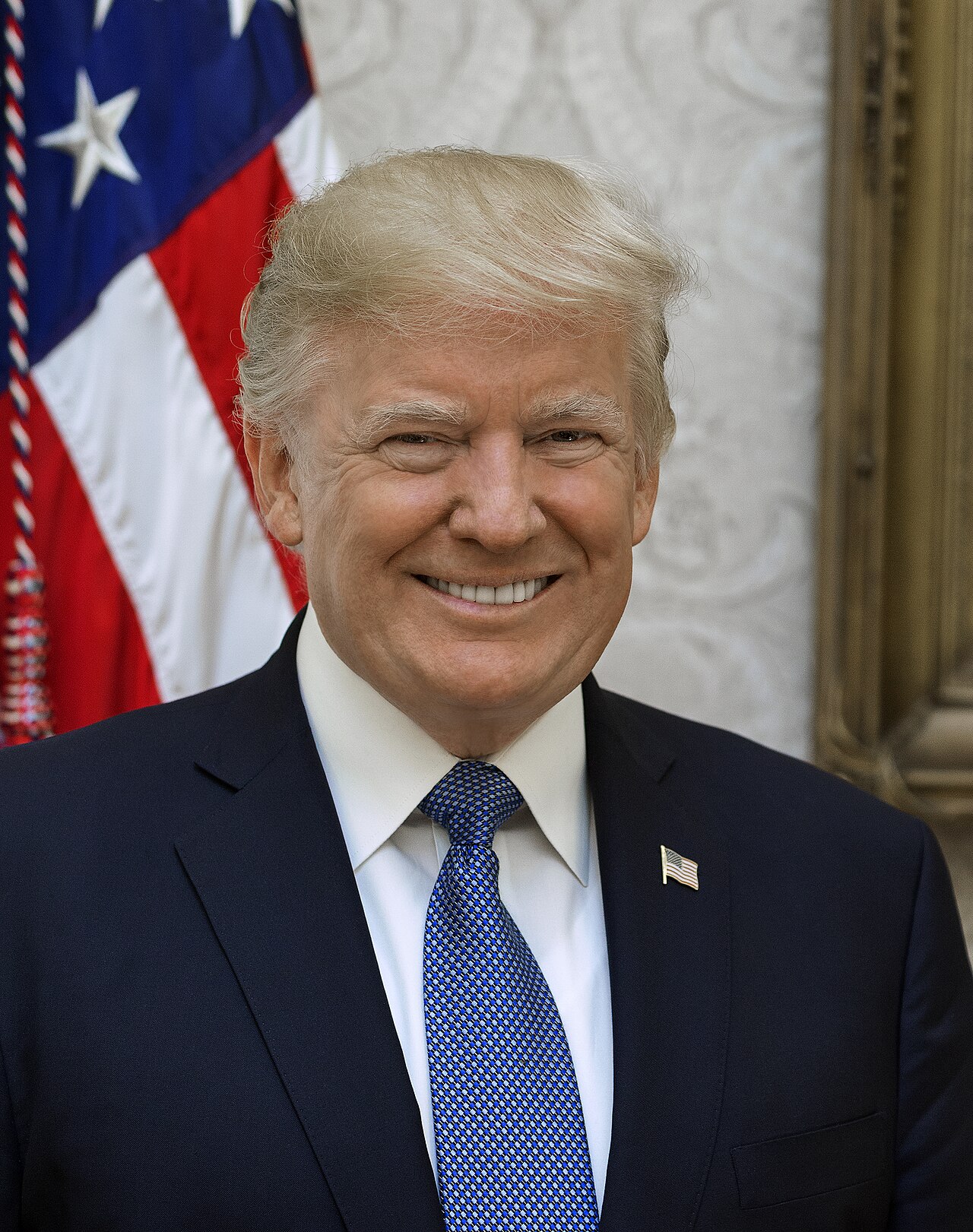
S. Supreme Court decision that curtailed some of his previous trade measures. Speaking on March 16, 2026, Trump declared an "absolute right" to impose duties, despite the court's February 2026 ruling. This judicial decision invalidated a significant portion of tariffs previously enacted, citing that a 1977 national emergency statute did not provide adequate legal grounds for their imposition.
Following the Supreme Court's judgment, the Trump administration moved to impose new 10% tariffs on various imported goods. These temporary duties were implemented under Section 122 of the 1974 Trade Act and are scheduled to expire in July 2026, 150 days after their effective date. The former President also indicated a potential increase to 15%, though this has not yet materialized.
Legal Basis for New Tariffs
To establish a more robust legal foundation for future trade actions, U.S. officials initiated several trade investigations in the week preceding Trump's public statement. These investigations are designed to provide the necessary legal justification for new, potentially permanent tariffs. Such measures would aim to replace those invalidated by the Supreme Court's earlier ruling, ensuring the administration retains its ability to leverage trade policy.
International Trade Engagements
The assertion of tariff authority comes ahead of significant international trade discussions. On March 17, 2026, U.S. representatives are scheduled to engage with Mexican counterparts to discuss the USMCA trade agreement. Additionally, a potential meeting with Chinese President Xi Jinping is anticipated later in March, indicating a period of active diplomatic and trade negotiations.
Context of Trade Policy
The Supreme Court's February 2026 decision specifically challenged the use of a 1977 law, originally intended for national emergencies, as a broad basis for imposing tariffs. This ruling underscored the legal complexities and limitations surrounding presidential authority in trade matters.
The administration's subsequent actions, including the initiation of new investigations and the imposition of temporary tariffs, reflect an effort to navigate these legal constraints and maintain a strong stance on trade.
Economic and Political Implications
S. trade policy carry significant economic and political implications. The imposition of tariffs can influence global supply chains, consumer prices, and international trade relations. Domestically, the debate over presidential tariff authority highlights the ongoing tension between executive power and judicial oversight in economic policy. S. trade relationships and potentially influencing global market stability.
Implications
Country Impact: The U.S. trade policy landscape is undergoing significant legal and political adjustments. The Supreme Court's ruling limits executive power, prompting the administration to seek new legal frameworks for tariffs. This could lead to shifts in trade relations with key partners like Mexico and China.
Industry Impact: Industries reliant on imports, particularly those affected by the 10% temporary tariffs, face increased costs and potential supply chain disruptions. Businesses will need to monitor the ongoing trade investigations and potential permanent tariff structures to adjust their sourcing and pricing strategies.
Market Impact: Global markets may experience volatility due to uncertainty surrounding U.S. trade policy. The potential for increased tariffs and the outcomes of trade discussions with Mexico and China could influence currency valuations, commodity prices, and investor sentiment in the short to medium term.