Trump pushes White House ballroom after Hilton shooting
Trump cited a Washington Hilton shooting on April 25 to press for a 1,000-seat White House ballroom amid legal and funding disputes.
Lauren Collins ·
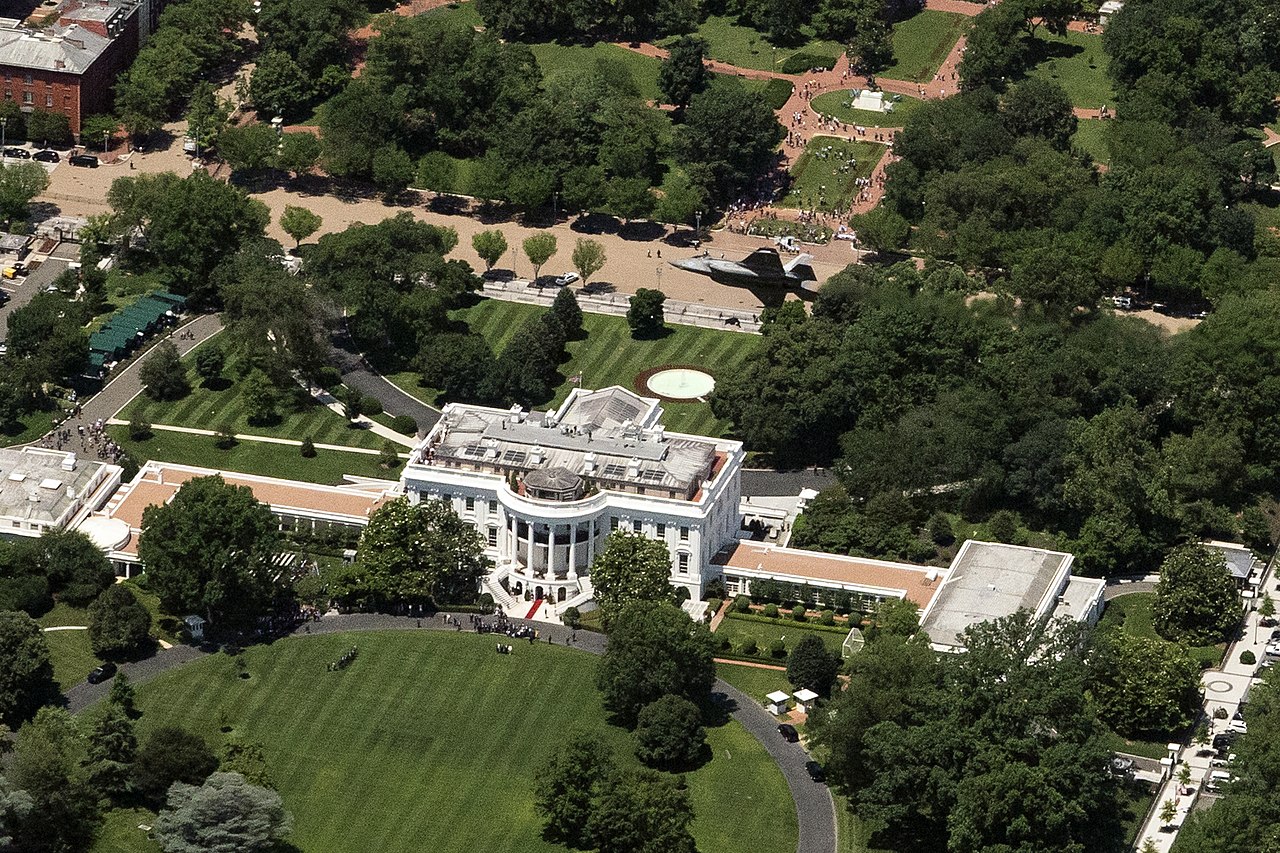
Donald Trump , the former U.S. President, said on April 25 that a shooting incident at the Washington Hilton hotel highlighted what he described as an urgent need for a 1,000-seat ballroom at the White House. He linked the episode to security concerns tied to hosting major events away from the White House complex.
The incident occurred while Trump was attending the White House Correspondents' Association's annual dinner at the Washington Hilton. An armed individual was arrested near the hotel’s ballroom, and Trump said the situation led to his evacuation from the venue.
Afterward, Trump used both a press conference and social media to argue for the ballroom project, which he described as a response to vulnerabilities at outside locations. In a post on Truth Social, he said the shooting incident would have been prevented by what he called the “Militarily Top Secret Ballroom currently under construction at the White House.” He presented the planned facility as a more secure alternative to hotels and other external venues used for large gatherings.
Trump said the proposed ballroom would incorporate security features including drone-proof and bulletproof glass. He contrasted those planned protections with what he portrayed as the exposure that comes with holding high-profile events outside the White House, particularly when senior officials are present.
The ballroom plan has been controversial, including because of its scale and cost. The project is described as a $400 million construction effort and is intended to be larger than the core White House structure. Construction began in October without full legal authorization, according to the account, and the project has faced continuing legal challenges as well as disputes over funding.
Trump called for lawsuits that are slowing the project to be halted immediately. He also said the construction is on budget and ahead of schedule, framing the legal fight as an obstacle to what he presented as a security-driven upgrade.
Senator John Fetterman, described as a moderate Democrat, supported the argument that the Hilton was not designed for events involving the U.S. line of succession. He advocated for completing the White House ballroom on security grounds, aligning with Trump’s contention that a purpose-built facility would reduce risks associated with hosting major events elsewhere.
Key uncertainties remain centered on the unresolved legal challenges and the funding disputes described around the project, as well as the question of authorization given construction began without full legal approval. Those issues, as presented, continue to shape whether and how the ballroom proceeds.