Russia to Halt Kazakh Oil Transit to Germany May 2026
Russia will stop Druzhba transit of Kazakh crude to Germany from May 1, 2026, affecting PCK Schwedt, a key supplier to Berlin.
Lauren Collins ·
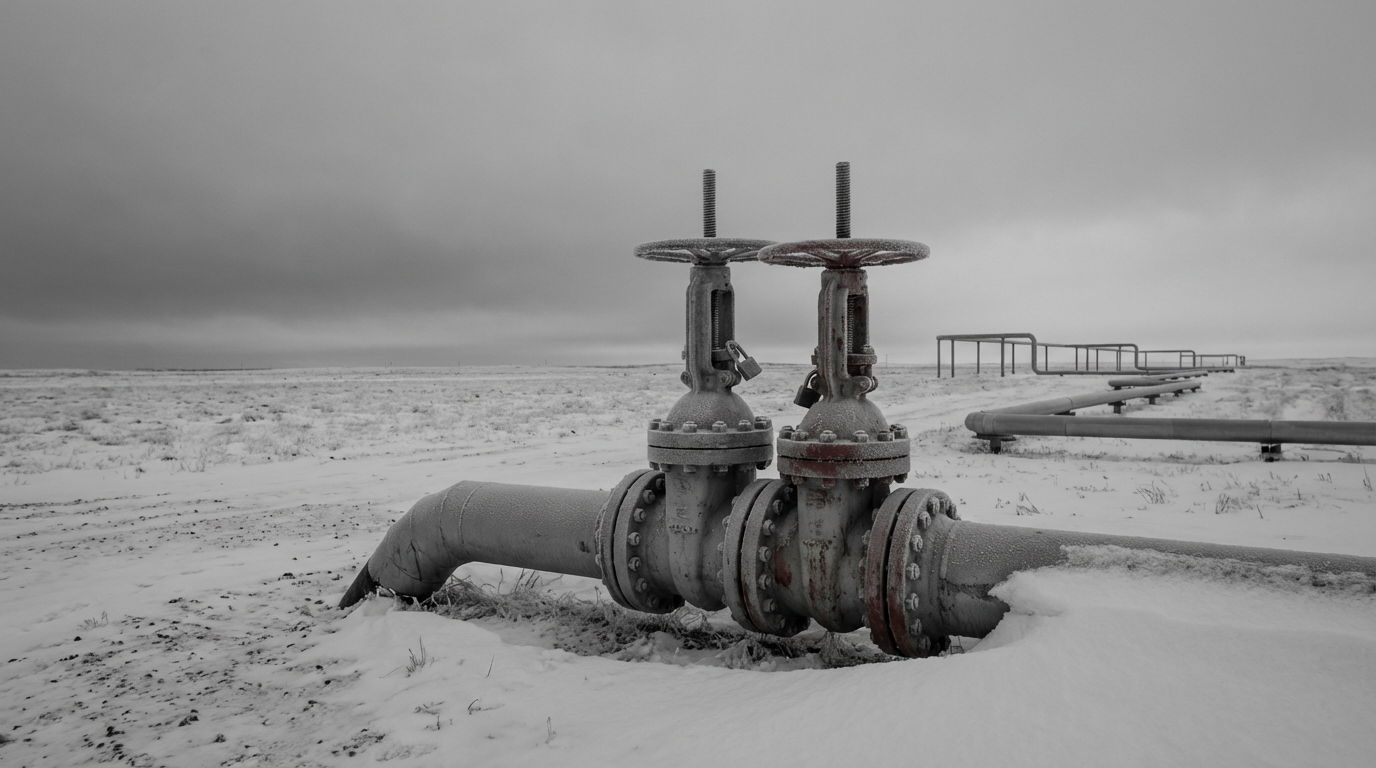
Russia will stop allowing Kazakh crude oil to reach Germany through the Druzhba pipeline from May 1, 2026 , a move set to affect the PCK refinery in Schwedt, officials and the company involved said. The change was relayed by Rosneft Germany to the German Federal Network Agency after instructions from the Russian Ministry of Energy, according to the information provided.
The disruption matters most for the PCK site because it is a key supplier for the German capital. The refinery in Schwedt provides more than 90% of Berlin’s fuel, and it sits about 100 kilometers north of the city. Since 2022, the plant has increasingly depended on crude originating in Kazakhstan that is shipped across Russian territory before entering Germany via Druzhba.
PCK’s ownership and governance have also been shaped by the geopolitical break that followed Russia’s 2022 invasion of Ukraine. The facility had previously been operated by Russian oil major Rosneft, but it has been under German government control since 2022. In that period, the refinery broadened its supply options, with most volumes arriving through ports in Rostock and via Poland, according to the details in the source material.
Even with those alternative routes, Druzhba-linked flows remain a material part of the refinery’s feedstock mix. Around 17% of PCK’s annual processing capacity—nearly 12 million metric tons—depends on the Druzhba pipeline, the information states. The planned halt therefore targets a specific corridor that has enabled Kazakh crude to reach the German market despite wider tensions between Russia and European governments.
German authorities acknowledged the development while flagging an information gap . The German Federal Ministry for Economic Affairs and Energy confirmed the situation, but said the Russian Federation has not directly notified the German government. That leaves uncertainty around the formal diplomatic and regulatory steps that may follow, even as the company communication to the regulator indicates a clear operational timeline.
For markets and policymakers, the announcement underscores how pipeline transit decisions can reshape supply logistics for refined products in major European cities. The immediate operational issue is concentrated at Schwedt and the Berlin region, but the broader significance is that a cross-border energy route used for Kazakh crude is being curtailed by Russia, affecting Germany’s downstream supply chain planning.
The extent to which alternative deliveries via Rostock and Poland can fully offset the Druzhba-linked share is not addressed in the source material and remains an open question.