US Wounded in Iran War Surpass 400 After Seven Weeks
The Pentagon confirmed the number of US wounded in the Iran War has surpassed 400 individuals seven weeks into the ongoing military conflict.
Lauren Collins ·
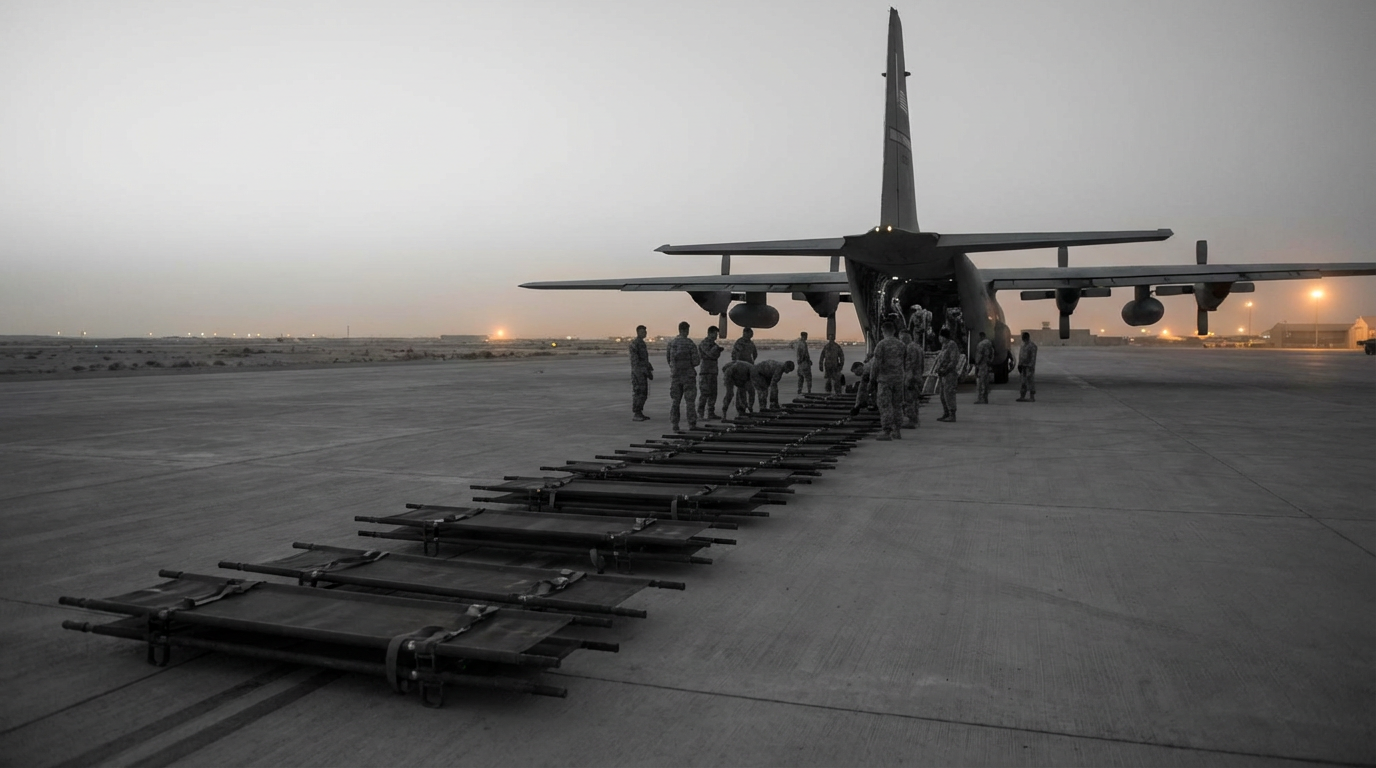
The number of U.S. service members wounded in Operation Epic Fury has surpassed 400, the Pentagon announced on Wednesday. This figure marks a significant increase in casualties seven weeks after the operation began.
The total of wounded personnel now stands at 400, while the number of American service members killed in action remains at 13. Officials indicated that the consistent rate of casualties reflects the intensity of the ongoing engagement.
Injury Distribution
Data released by the Pentagon details the distribution of injuries across military branches. The U.S. Army has reported 271 soldiers wounded, accounting for nearly 68 percent of the total. This highlights the ground-intensive nature of the current military operations.
The U.S. Navy has reported 64 sailors injured, while the Air Force confirmed 46 airmen wounded. The Marine Corps has also seen 19 of its members injured since the conflict commenced.
Officials did not provide specific details regarding the types of injuries sustained. However, the broad distribution of casualties across different service branches suggests combat operations are occurring across multiple fronts, involving both ground and naval engagements.
Operation Overview
Operation Epic Fury began approximately seven weeks ago. Its stated objectives included neutralizing specific military threats and safeguarding international shipping lanes in the region. U.S. forces have since engaged in direct combat across several strategic areas.
The rising casualty figures are drawing increased scrutiny from lawmakers and the public. Initial projections for a swift, limited operation are being re-evaluated due to a determined adversary and challenging terrain. This situation is prompting continuous reassessments of strategy and resource allocation.
Military planners are now managing a conflict that requires substantial logistical support and troop presence. The steady increase in wounded personnel is placing considerable strain on medical and evacuation resources, both within the theater of operations and at military medical facilities abroad.
Future Implications
As the number of U.S. wounded continues to climb, the Pentagon faces increasing pressure to demonstrate progress toward its military objectives. These casualty figures are expected to intensify the debate surrounding the long-term strategy and ultimate goals of Operation Epic Fury.
The administration maintains that the operation is essential for regional stability. However, the human cost of the conflict is becoming a central point of public discussion. Future Defense Department briefings will be closely monitored for any shifts in casualty trends or indications of changes in military tactics.